

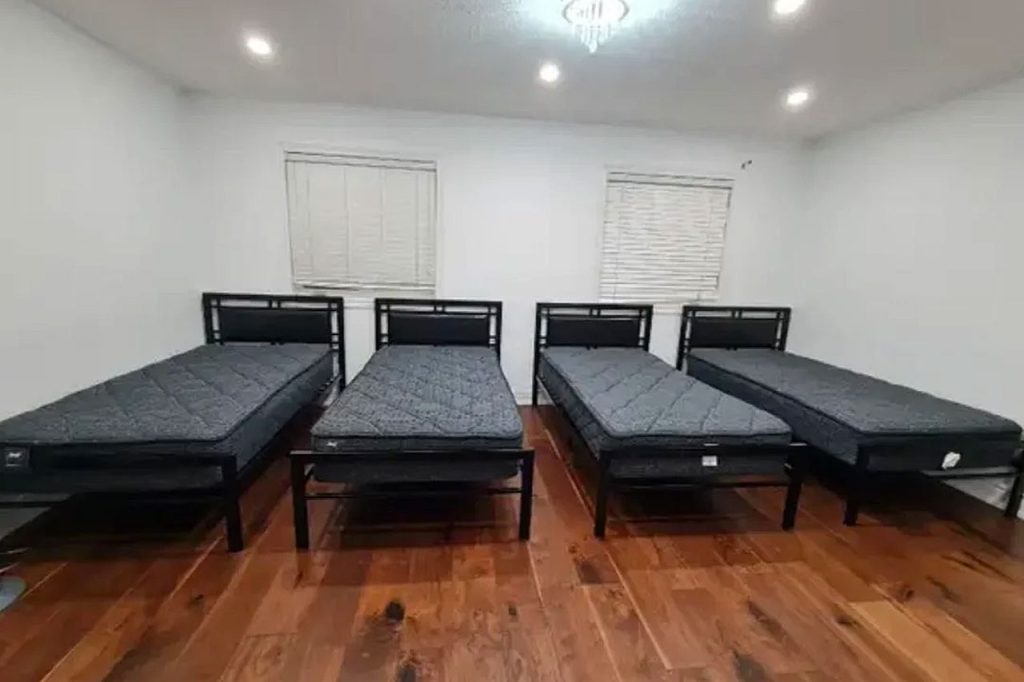
In an effort to address overcrowded basement apartments and “excessive subletting,” Brampton City Council is exploring new rental regulations that could impose occupancy limits on rental properties. This move is part of the city’s ongoing initiative to crack down on illegal and unsafe rental units.
The proposal comes shortly after an update on Brampton’s Residential Rental Licensing (RRL) pilot project, which has inspected over 4,700 rental units and issued more than $83,500 in fines since its launch in January. The city is now considering a ban on new basement suites and additional rental units due to safety concerns, particularly around fire code violations.
Councillor Rowena Santos introduced the motion, suggesting that the new occupancy limits could be incorporated into the existing RRL and Additional Residential Unit (ARU) registration systems. The aim is to regulate the number of occupants in rental units and prevent illegal lodging and group homes from operating unchecked.

Brampton’s rental licensing program was created to bring an estimated 16,000 unregistered rental units into compliance. It requires landlords in specific wards (1, 3, 4, 5, and 7) who rent four or fewer units to register with the city. The registration fee, discounted to $150 until the end of September, will increase to $600 in fines for non-compliance starting next month.
Concerns over unsafe living conditions have escalated, with cases of overcrowded and illegal rentals making headlines. Councillor Santos highlighted disturbing incidents, such as female students being exploited for rent. Councillor Dennis Keenan pointed to instances of “slumlord squalor,” prompting the council to consider halting construction of basement suites and new rental units until 2025.
Landlords opposing the new rules have staged weekly protests, claiming they are already in compliance with the RRL regulations. Despite this, cases such as an ad offering free rent in exchange for a “friends-with-benefits” arrangement in Brampton and another listing a single room with four beds in Mississauga have drawn attention to the city’s housing crisis.
City staff have been instructed to prepare a report detailing how overcrowding and subletting can be monitored and enforced under the RRL program. Recommendations on occupancy limits and enforcement are expected to follow, ensuring that existing regulations are upheld and penalties are applied where necessary.
Landlords found operating without a rental license in the pilot areas will face fines starting at $600, increasing to $900 for a second offence and $1,200 for subsequent violations. Additional penalties, such as $250 fines for failing to provide adequate waste containers or not complying with the city’s grass and weed cutting bylaws, are also included in the program.
As Brampton continues to face a housing crisis, these proposed measures aim to create safer and more regulated rental environments for residents.