

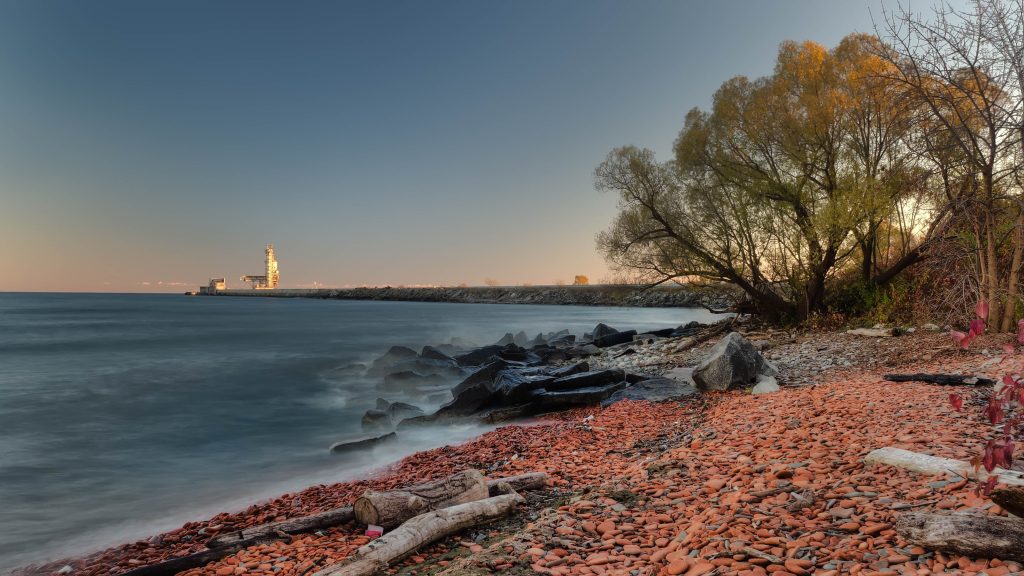
Prime Minister Mark Carney says Lake Ontario will remain Lake Ontario to Canadians, despite an executive order signed by U.S. President Donald Trump seeking to rename the shared body of water “Lake America” in American federal usage.
Carney responded to the move on social media, saying Canadians understand that while the United States may be changing its trade relationships, foreign policies, national monuments and geographic names, the reality remains unchanged when it comes to Lake Ontario.
“Canadians also know that naming reality means calling it Lake Ontario — then, now and always,” Carney wrote.
Trump signed the executive order Thursday as political and trade tensions between Canada and the United States continued to intensify. Relations between the two countries have deteriorated further since trade negotiations collapsed last week, with both governments accusing the other of making last-minute changes to proposed terms.
Carney has said the proposed trade agreement became unacceptable to Canada. Ottawa has since announced retaliatory measures that are scheduled to take effect next month.
In defending the historic name, Carney noted that “Ontario” comes from the Wendat word Ontari’io, meaning “the lake is beautiful, the lake is big.” He said the name has been associated with the lake for more than 400 years and predates both Canadian Confederation and the United States Declaration of Independence.
The latest dispute follows months of strained Canada-U.S. relations involving American tariffs, trade disagreements and repeated remarks from Trump suggesting Canada could become part of the United States.
Trump first raised the idea of renaming Lake Ontario during an increasingly personal exchange with Ontario Premier Doug Ford earlier in the week.
Ford accused Trump of bullying Canada, while Trump responded with insults directed at the premier and compared him unfavourably with his late brother, former Toronto mayor Rob Ford.
Speaking from the Oval Office Thursday beside a map displaying the name “Lake America,” Trump repeated his criticism of Canada and said the country had been difficult for the United States to deal with.
Trump argued that Canadian officials had treated the United States unfairly and suggested Canada wanted the benefits of being treated like an American state without actually being one.
Ford quickly rejected the name change, declaring that it remains “Lake Ontario to Canadians and the rest of the world. Now and forever.”
The controversy also drew criticism from political leaders in the United States.
Vermont Republican Gov. Phil Scott described the decision as disappointing and said the two countries should instead be focused on returning to the negotiating table and strengthening their economies.
Scott said further escalation between the two longtime allies would do nothing to help families or businesses on either side of the border.
Maine Democratic Gov. Janet Mills also criticized the decision, urging Trump to focus on reducing costs for Americans rather than changing names on maps.
Reaction in Canada was similarly dismissive.
Nova Scotia Premier Tim Houston described the situation as “real foolishness” and firmly rejected the new name.
Manitoba Premier Wab Kinew compared Trump’s latest move to an aging performer attempting to revive an old hit, referring to Trump’s earlier renaming of the Gulf of Mexico as the Gulf of America.
Conservative Leader Pierre Poilievre also rejected Trump’s authority to permanently rename the lake, saying no U.S. executive order could change its identity.
Poilievre said the lake does not belong to the U.S. president to rename on a whim and argued that Canada should avoid becoming distracted by symbolic controversies and remain focused on matters within its own control.
Lake Ontario is one of the five Great Lakes and lies between the province of Ontario and New York state. Ontario itself takes its name from the lake, giving the name significant historical and cultural importance in Canada.
The Trump administration’s order applies only to U.S. federal documents and geographic services and does not legally change how Canada or international bodies refer to the lake.
Trump pointed to his 2025 executive order changing the U.S. federal designation of the Gulf of Mexico to the Gulf of America as a precedent. He also suggested he might consider changing the names of the Atlantic or Pacific oceans in the future.
The earlier Gulf of Mexico controversy extended beyond government documents after some online mapping services and American news organizations adopted the Gulf of America designation.
It also triggered a dispute between the White House and The Associated Press after the news agency continued using the Gulf of Mexico name in its reporting.
For Canada, however, political leaders from different parties appear united on one point: regardless of what appears on U.S. federal maps, the historic name Lake Ontario is not changing.