

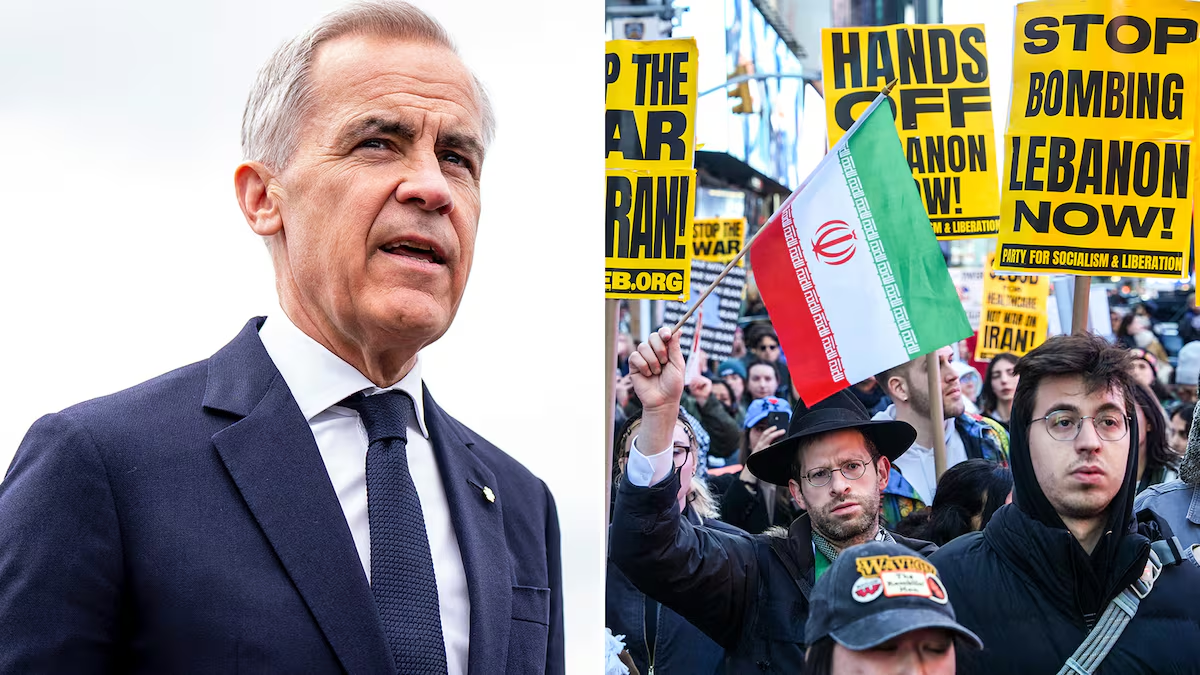
Prime Minister Mark Carney has expressed strong support for the tentative peace framework reached between the United States and Iran, describing it as a “game-changer” and stating that the conflict was ultimately “worth it” if it succeeds in preventing Iran from obtaining a nuclear weapon.
Speaking during an interview at the G7 Summit, Carney said the agreement exceeded his expectations and could significantly reshape security and stability in the Middle East.
When asked whether the war had been worth the cost, Carney pointed to long-standing concerns over Iran’s nuclear ambitions and its role in regional conflicts. He argued that removing the possibility of a nuclear-armed Iran would represent a major achievement for international security.
According to Carney, the tentative agreement provides a framework that could prevent Iran from acquiring nuclear weapons while also creating conditions for broader economic and political reintegration across the region. He described the deal as well-structured, performance-based, and supported by key regional players.
The agreement reportedly establishes a 60-day period during which the United States and Iran will negotiate the details of a final settlement. The framework includes provisions related to ceasefire arrangements, economic cooperation, sanctions relief, regional security, and the reopening of the strategically important Strait of Hormuz.
Carney suggested that the agreement could also contribute to broader regional stability, including progress toward resolving tensions involving Lebanon and other Middle Eastern conflicts. He noted that discussions among G7 leaders reflected a changing tone regarding regional security and the future direction of ongoing conflicts.
The Prime Minister’s remarks represent one of his strongest endorsements of the diplomatic process since the conflict began. Earlier in the war, Carney supported efforts to prevent Iran from obtaining nuclear weapons but also expressed concerns about the lack of consultation with allies before military action was launched.
Another key element of the agreement is the planned reopening of the Strait of Hormuz, through which a significant portion of the world’s oil and natural gas supplies are transported. The closure of the waterway during the conflict contributed to higher global energy prices and concerns about supply disruptions.
Carney indicated that Canada is prepared to assist international efforts to restore safe navigation through the region. While acknowledging that Canada is not a major naval power in the Middle East, he said Canada could contribute through monitoring capabilities and financial support for stabilization initiatives.
An official signing ceremony for the framework agreement is expected to take place in Geneva, Switzerland, after which negotiators will continue working toward a comprehensive and permanent settlement.
Despite the optimism surrounding the proposed agreement, challenges remain. Questions surrounding Iran’s nuclear program, sanctions relief, regional security arrangements, and the implementation of commitments by all parties are expected to dominate negotiations in the coming weeks.
Nevertheless, Carney’s comments signal that Canada views the tentative accord as a potentially historic opportunity to reduce tensions, stabilize global energy markets, and create a pathway toward a more secure Middle East. If the negotiations succeed, the agreement could become one of the most significant diplomatic breakthroughs in the region in recent decades.