

The federal government has introduced sweeping new online safety legislation that would prohibit children under the age of 16 from accessing social media platforms unless those platforms meet strict safety standards approved by regulators. The proposed law, known as Bill C-34, also introduces Canada’s first broad regulatory framework for artificial intelligence chatbots, placing new responsibilities on technology companies to protect users from harmful content and online risks.
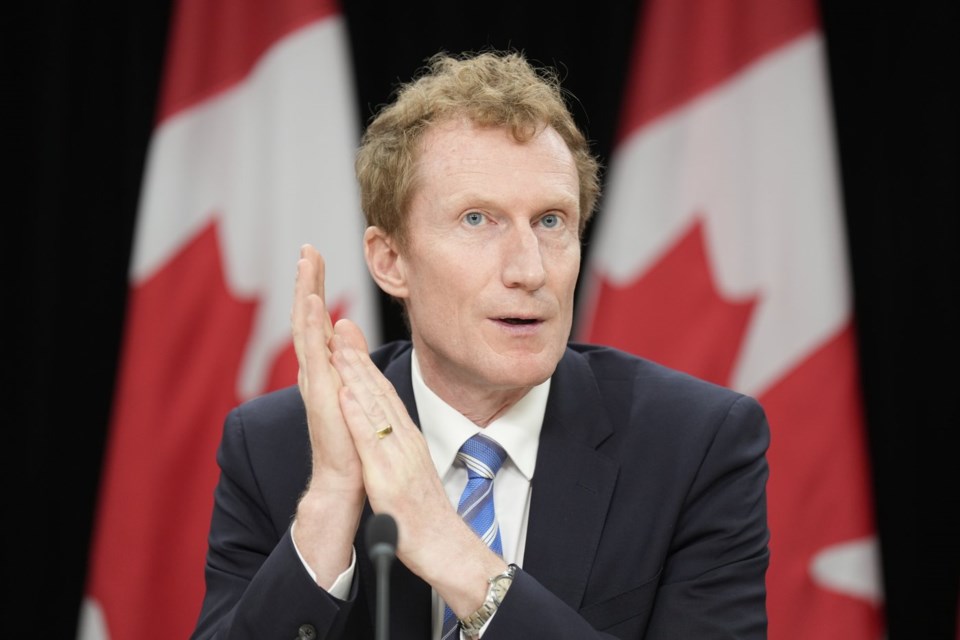
Introduced in the House of Commons by Marc Miller, the legislation is aimed at strengthening online protections for children and young people amid growing concerns about mental health, privacy, cyberbullying, and harmful online content.
Under the proposed law, social media platforms would be required to prevent users under 16 from accessing their services unless they can demonstrate that adequate safeguards are in place. Companies that meet strict safety requirements could apply for exemptions, allowing young people continued access under regulated conditions. Adult-content platforms, however, would not qualify for exemptions and would be required to enforce age restrictions without exception.
The legislation stops short of prescribing a specific age-verification system, leaving the government and technology companies to determine methods that balance user privacy with effective age verification. Federal officials indicated that consultations with industry stakeholders will help shape future implementation requirements.
Bill C-34 also addresses the rapidly growing influence of artificial intelligence. Companies operating AI chatbots would be required to act responsibly by implementing measures to reduce the risk of harmful interactions, including content related to violence, self-harm, suicide, or other dangerous behaviour. The legislation would require chatbot providers to establish crisis intervention protocols to respond appropriately when users engage in conversations involving significant safety concerns.
While the government considered stronger restrictions on chatbot access for young people, Minister Miller emphasized that artificial intelligence also offers educational and social benefits. He said the government intends to monitor developments closely while ensuring appropriate safeguards are in place.
The legislation would apply not only to traditional social media platforms such as Facebook and X (formerly Twitter), but also to public-facing conversational AI systems capable of mimicking human-like relationships. The government has indicated that adult-content platforms focused on user-generated material may also fall under the new regulatory framework.
A key feature of the legislation is the creation of the Digital Safety Commission of Canada, an independent regulator that would oversee compliance, investigate complaints, and enforce the new rules. Members of the commission would be appointed by the federal cabinet.
The bill identifies seven categories of harmful content that would fall under regulatory oversight, including material that encourages self-harm among children, incites violence, promotes hatred, or involves non-consensual intimate content. Platforms would be required to remove content involving the sexual exploitation of children and non-consensual intimate images within 24 hours of identification. Social media companies would also be required to label synthetically generated or AI-created content to improve transparency for users.
The proposed legislation has received strong support from medical professionals and child-protection advocates. Bolu Ogunyemi praised the initiative, arguing that foreign technology companies should not profit at the expense of children’s mental health and safety. Similarly, Charlotte Moore Hepburn noted that healthcare professionals are witnessing rising rates of anxiety, depression, self-harm, and eating disorders among youth, problems she said are often linked not only to online content but also to platform designs intended to maximize user engagement.
Major technology companies responded cautiously to the announcement. Google stated that it is reviewing the proposed legislation while emphasizing its existing investments in online safety. Meta indicated that outright bans may be counterproductive but welcomed recognition that platforms offering enhanced safety features for teenagers can provide meaningful benefits.
Implementation of the legislation is expected to take considerable time. Following parliamentary approval, the federal government will need to determine which platforms fall under the legislation and establish the new regulatory body. Officials estimate that creating the Digital Safety Commission could take approximately 18 months, while other implementation measures may require additional time.
Legal experts caution that many details remain uncertain. Michael Geist noted that much of the legislation’s practical impact will depend on future regulations, cabinet decisions, and rulings by the new regulator. As a result, the full implementation of age restrictions and other requirements could take several years.
If enacted, Bill C-34 would represent one of the most significant reforms of Canada’s digital safety framework, placing new responsibilities on social media platforms and artificial intelligence providers while aiming to create a safer online environment for children and families across the country.