

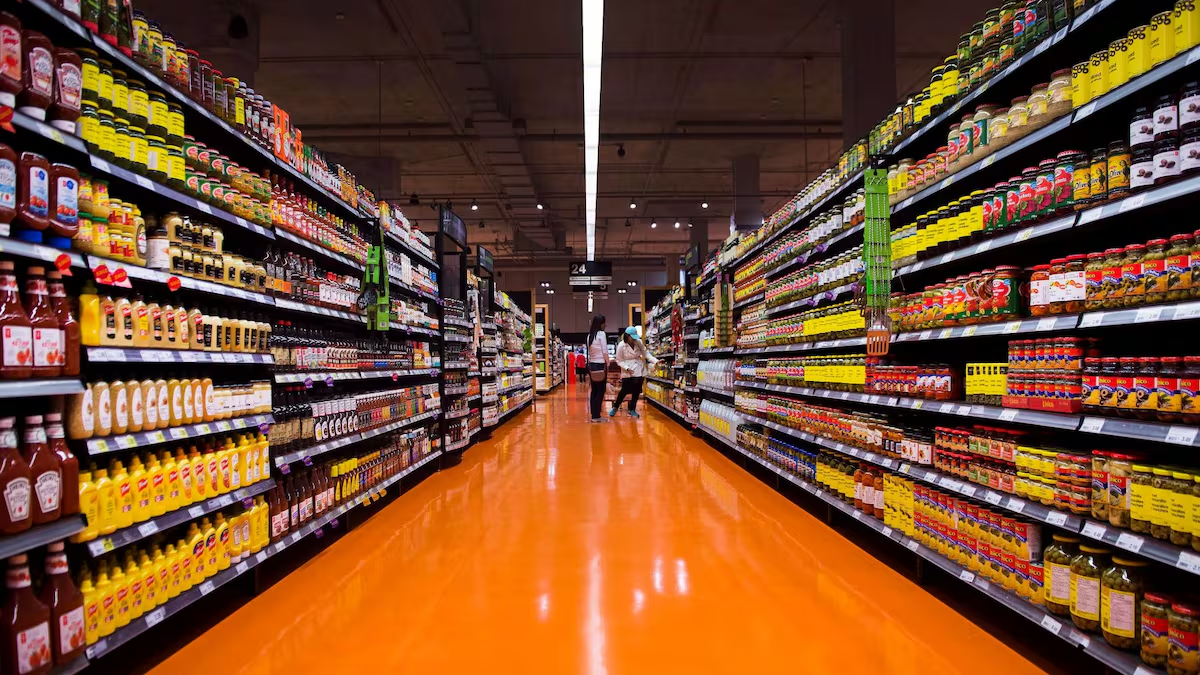
Canadian families continued to face rising grocery bills in April, with several everyday food items experiencing significant price increases despite overall inflation remaining relatively moderate.
According to the latest consumer price data, food purchased from stores increased by 3.5 per cent compared to the same period last year, outpacing the inflation rate for many household essentials. The rising cost of groceries has remained a major concern for consumers already dealing with affordability pressures and higher living expenses.
Among the products experiencing the sharpest increases, beef remains one of the most expensive categories in Canadian grocery stores. Industry experts attribute the continued rise in beef prices to limited cattle supplies across North America, combined with higher feed costs and ongoing challenges faced by livestock producers.
Beef striploin recorded one of the largest annual price increases, rising by nearly $10 per kilogram over the past year. The average retail price now exceeds $42 per kilogram. Other popular beef products, including rib cuts, top sirloin, stewing beef, and ground beef, have also seen notable increases, adding further pressure to household food budgets.
Agricultural analysts point to persistent drought conditions in parts of Western Canada and the United States, which have reduced grazing opportunities and increased feed costs. These challenges have contributed to a decline in cattle inventories and higher market prices throughout the supply chain.
Coffee has also become significantly more expensive for consumers. A standard package of roasted or ground coffee now costs more than 20 per cent more than it did a year ago. Global supply issues, weather-related disruptions in major coffee-producing countries, and transportation challenges have all contributed to the higher prices. For many Canadians, the daily cup of coffee has become another example of the growing cost of everyday necessities.
Fresh vegetables have also experienced substantial increases. Vegetable prices rose by nearly eight per cent compared with last year, marking one of the strongest annual increases in recent years. Tomatoes were among the most affected items, with prices rising sharply over the twelve-month period. Supply challenges, transportation costs, and seasonal production factors continue to influence produce prices across the country.
Several other commonly purchased grocery products also became more expensive during the month. Infant formula, an essential item for many young families, saw another price increase, while salmon and cooking oils such as canola oil also recorded higher costs compared to last year.
While Canada’s overall inflation rate remains below the highs experienced during the peak inflationary period of recent years, food prices continue to rise faster than many consumers would like. Economists note that grocery inflation remains particularly noticeable because food purchases are recurring and unavoidable household expenses.
For many families, seniors, students, and low-income households, continued increases in staple food items are placing additional strain on monthly budgets. As consumers search for ways to stretch their grocery dollars, rising costs for protein, produce, and household essentials remain a significant challenge.
With global supply chains, weather patterns, and agricultural production costs continuing to influence food markets, many analysts expect grocery prices to remain a key affordability issue for Canadians throughout the remainder of 2026.