

As Canada grapples with slowing economic growth and the possibility of a recession, a growing debate is emerging over whether the country’s record-high immigration levels during the post-pandemic years masked deeper economic challenges rather than solving them.
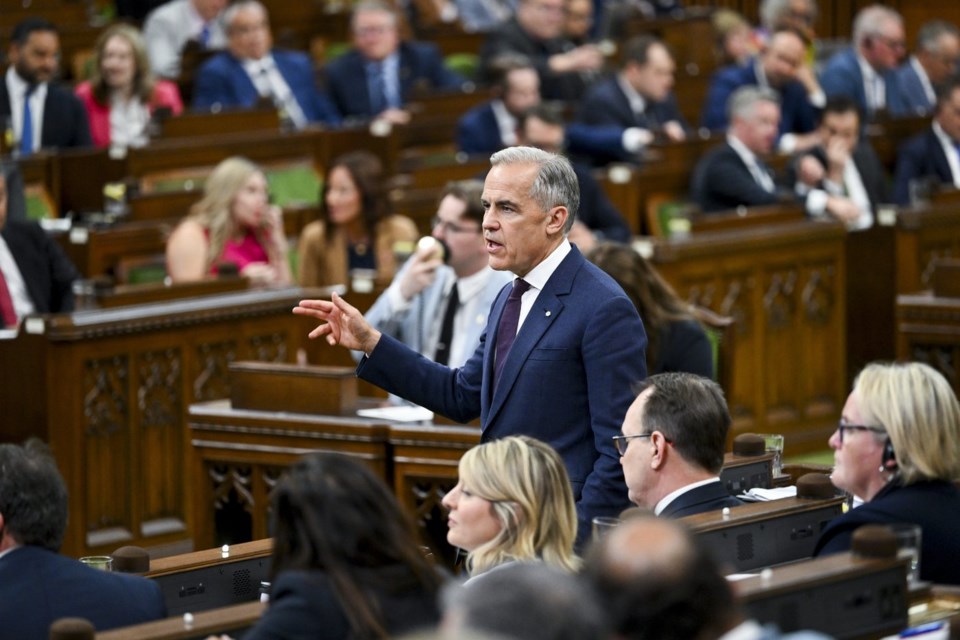
Prime Minister Mark Carney recently acknowledged that reduced immigration levels are contributing to weaker economic growth, noting that slower population growth has played a role in Canada’s economic contraction over the past two quarters. While economists remain divided on whether the country is technically in a recession, many agree that the relationship between immigration and economic performance deserves closer examination.
During the years following the COVID-19 pandemic, Canada experienced some of the fastest population growth in its history. Population growth reached 2.4 per cent in 2022, climbed to 3.1 per cent in 2023, and remained elevated at 2.2 per cent in 2024. Much of that increase was driven by both permanent and temporary immigration programs.
These unprecedented population gains helped support overall economic activity, boosting consumer spending, housing demand, labour force participation, and total economic output. However, economists note that strong headline economic numbers often masked the financial pressures being experienced by individual Canadians.
While Canada’s overall Gross Domestic Product (GDP) continued to grow during this period, GDP per person declined and unemployment began to rise. Many households struggled with high inflation, elevated interest rates, rising housing costs, and affordability challenges despite the appearance of a growing national economy.
Economic analysts argue that rapid population growth helped sustain total GDP growth because more people were working, spending, and consuming goods and services. At the same time, however, economic gains were spread across a larger population, resulting in weaker productivity growth and declining economic performance on a per-capita basis.
The federal government’s decision to significantly reduce immigration targets marks a major shift in policy. Ottawa now plans to admit fewer permanent residents, temporary foreign workers, and international students than previously projected, citing pressures on housing, infrastructure, and public services.
As a result, Canada has already experienced historically slow population growth, with some early estimates suggesting a slight population decline in the first quarter of 2026. Economists say this demographic shift is expected to weigh on overall GDP growth because fewer newcomers mean fewer consumers, workers, renters, and homebuyers contributing to economic activity.
At the same time, some analysts believe slower population growth may improve conditions for existing residents. Labour markets could become less competitive, wage growth may strengthen, and housing demand pressures could ease. Youth unemployment, which remains elevated, could also benefit from increased job opportunities as labour shortages emerge in certain sectors.
However, economists caution that Canada’s long-term demographic challenges remain significant. An aging population and declining birth rates mean that thousands of Canadians are retiring every month, reducing the size of the workforce. Without sustained immigration, businesses may face labour shortages that could limit economic growth and productivity in the years ahead.
Experts suggest that the real challenge for policymakers is finding the right balance between immigration levels, economic growth, housing availability, infrastructure capacity, and labour market needs. While high immigration helped support Canada’s economy during a period of uncertainty, many now argue that stronger productivity, business investment, innovation, and wage growth will be essential to building a more sustainable and resilient economy for the future.
As Canada adjusts to lower immigration levels, the coming years are expected to provide a clearer picture of how much recent economic growth was driven by population expansion and how much was supported by genuine improvements in productivity and living standards.