

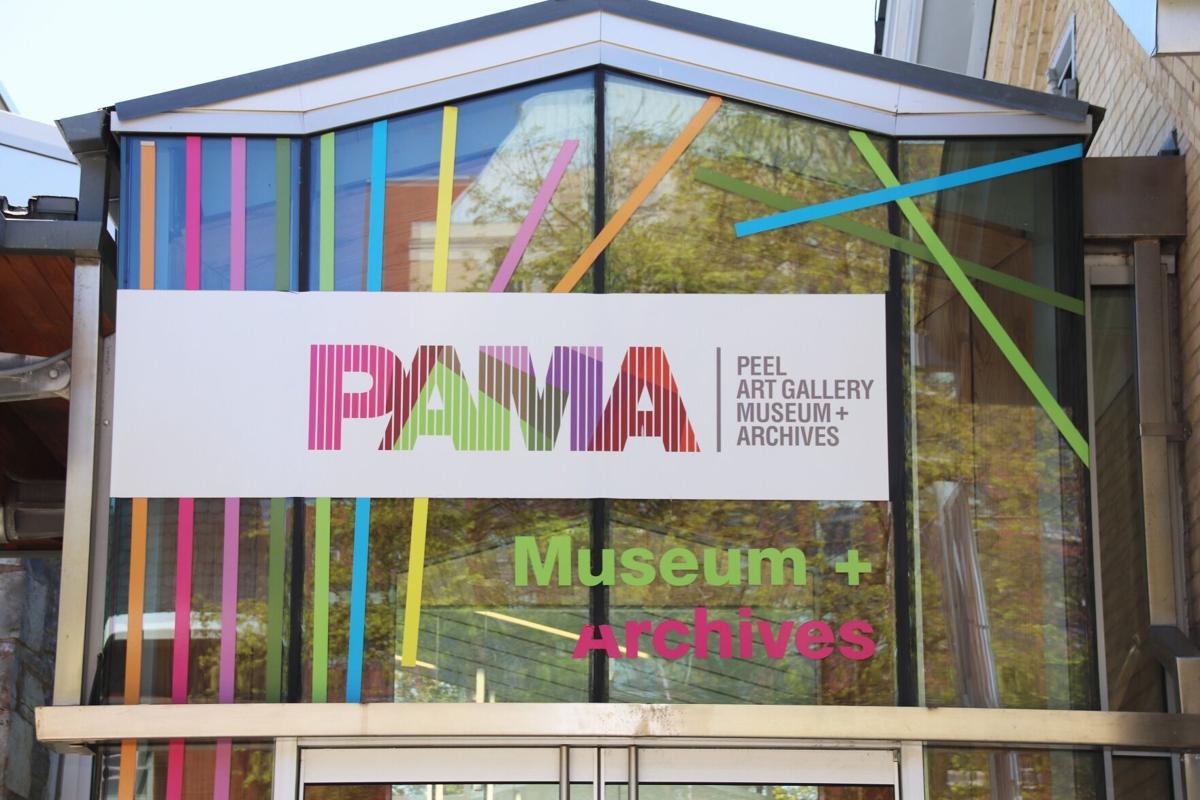
Peel Regional Council has approved the framework that will allow the City of Brampton to assume ownership and operation of the Peel Art Gallery, Museum and Archives (PAMA), while also extending the transfer timeline by up to one year.
Regional council had previously voted in September 2025 to transfer ownership of PAMA from the Region of Peel to Brampton, with the transition originally scheduled for Jan. 1, 2027. However, during its April 23 meeting, council approved updated terms pushing the final transfer date to on or before Jan. 1, 2028.
Located directly across from Brampton City Hall, PAMA is home to a regional art gallery, museum and several historically significant heritage properties, including the former Peel County courthouse, jail and land registry office.
According to council documents, the delay is intended to give Brampton additional time to review the facility’s current operations and develop a long-term operating model, staffing strategy and financial plan before officially assuming responsibility.
Once the transition is completed, Brampton will take ownership and operational control of the museum and gallery properties. However, regional archival services will continue to remain under the authority of the Region of Peel through separate archival agreements already in place with local municipalities.
Until the transfer is finalized, the Region of Peel will continue managing and funding PAMA operations. Council also approved plans to maintain the museum’s 2027 operating and capital budget using the 2026 budget as a baseline adjusted for inflation.
In addition, the Region of Peel will cover all transition-related costs, including expenses incurred by Brampton, Mississauga and Caledon during the process.
The motion passed with only three councillors voting against it, including Brampton Regional Councillor Gurpartap Singh Toor and Caledon councillors Mario Russo and Christina Early.
Brampton Regional Councillor Martin Medeiros, who had previously expressed concerns about the ownership transfer, said he now believes the benefits outweigh the risks.
Medeiros noted that his initial concerns focused on financial sustainability and the preservation of PAMA’s artistic mandate, but added that those concerns have largely been addressed through the transition framework.
Regional Councillor Dennis Keenan also supported the move, saying Brampton needs additional arts infrastructure and that the transition provides an opportunity to make the facility more accessible and affordable for the community.
As part of the restructuring process, council also approved dissolving the existing Friends of PAMA advisory board and replacing it with a temporary transition board chaired by a Brampton representative. The board will include the mayors of Brampton, Mississauga and Caledon, along with the Peel regional chair.
Mississauga councillors unanimously supported the transfer, arguing that local taxpayers would no longer need to subsidize PAMA operations and that funding could instead support Mississauga’s own arts and cultural institutions.
However, some concerns remain in Caledon, particularly regarding the long-term preservation of historical artifacts currently stored at PAMA.
Representatives from the Caledon Heritage Foundation warned council that the town could eventually lose access to museum storage and exhibit space if Brampton’s future growth creates competing space demands.
The debate reflects broader regional discussions around municipal identity, arts funding and cultural preservation as Peel municipalities continue preparing for future governance and service changes.