

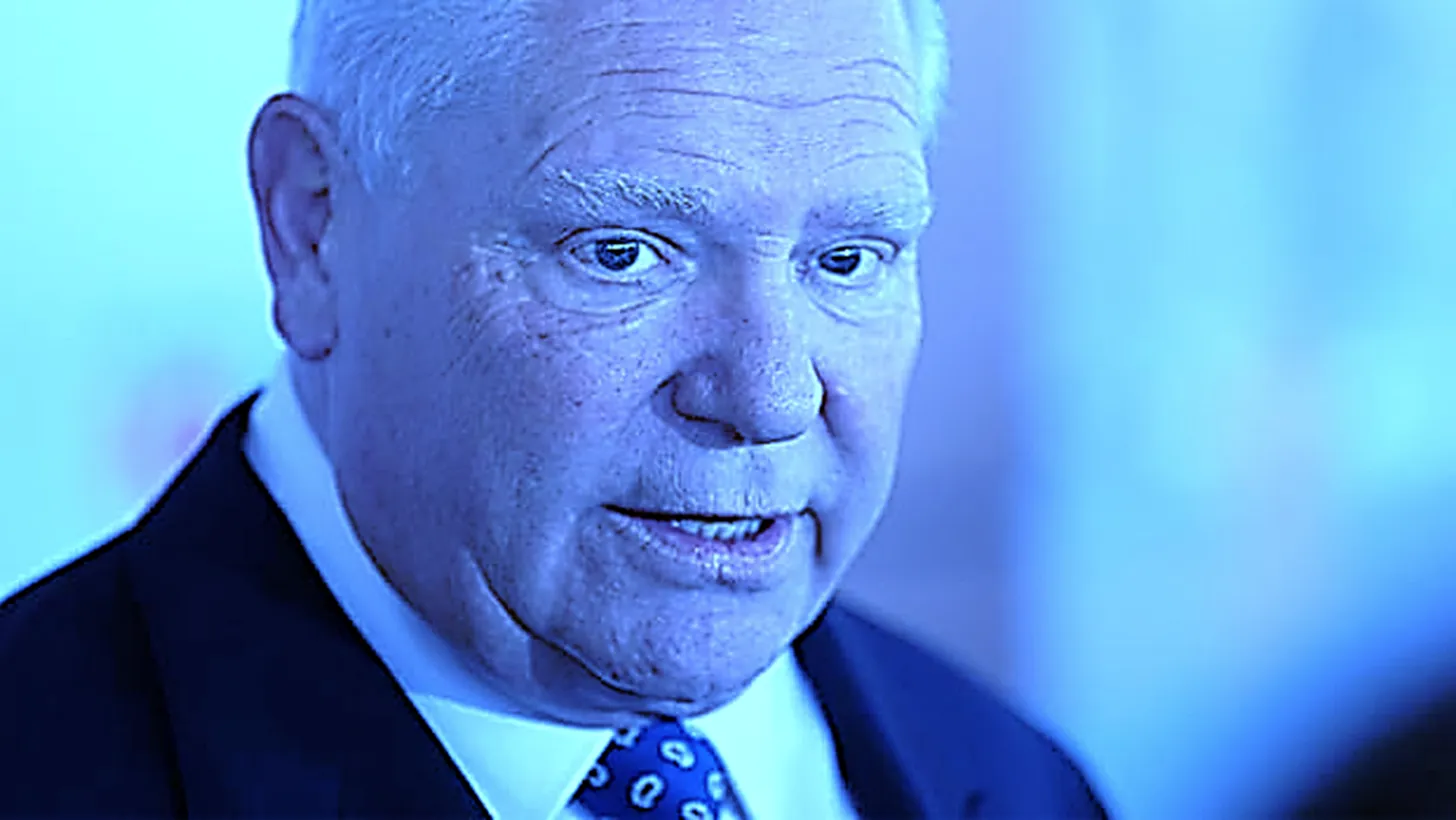
A noticeable shift appears to be underway in Ontario’s political landscape, as recent polling data suggests Premier Doug Ford’s Progressive Conservatives are losing ground while the Ontario Liberals—currently without a permanent leader—are gaining momentum.
According to the latest analysis by 338Canada, multiple polls conducted this spring indicate a tightening race between the two major parties. Data from Abacus shows the PC lead shrinking dramatically from eight points to just one, while Pallas Data reports a decline from nine points to five. Most notably, a new poll by Liaison Strategies places the Ontario Liberals slightly ahead, with 38% support compared to 36% for the PCs.
This marks a significant moment in Ontario politics, as it is the first time since early 2022 that polling has shown the PCs trailing their main rivals.
One contributing factor to this shift in public opinion may be the now-cancelled purchase of a private Bombardier aircraft by the Ontario government. While not the largest controversy of the Ford administration, the issue appears to have added to growing public dissatisfaction.
Beyond headline numbers, deeper trends reveal increasing disapproval of the government. Abacus Data reports a four-point rise in dissatisfaction since earlier this spring, signaling a broader erosion of support. Notably, the Ford government had maintained net positive approval ratings as recently as last fall, making the current decline more pronounced.
Regionally, the Liberals are making important gains. The latest Pallas poll indicates Liberal leads in Toronto (416) and Eastern Ontario, while the PCs continue to maintain strength in parts of the Greater Toronto Area, Central Ontario, and Southwestern regions. However, Liaison Strategies’ data suggests the Liberals have opened up a six-point advantage in the critical GTA—an area often decisive in provincial elections.
Despite these developments, aggregated data still places the PCs slightly ahead overall. However, the trend line is clearly downward, introducing greater uncertainty into projections. The 338Canada Ontario model now places the PCs in potential minority government territory, though with a wide margin of uncertainty as the situation continues to evolve.
Meanwhile, the Ontario NDP remains in third place in polling but is expected to retain a significant portion of its current seats. This dynamic raises the possibility of a minority legislature if current trends hold.
With voter sentiment showing real movement—something relatively rare in recent Ontario politics—analysts expect additional polling in the coming weeks to provide greater clarity on whether this shift represents a temporary dip or the beginning of a longer-term realignment.
As the political landscape evolves, all eyes will remain on upcoming data points that could determine whether Ontario is heading toward a competitive election environment or a stabilized status quo.