

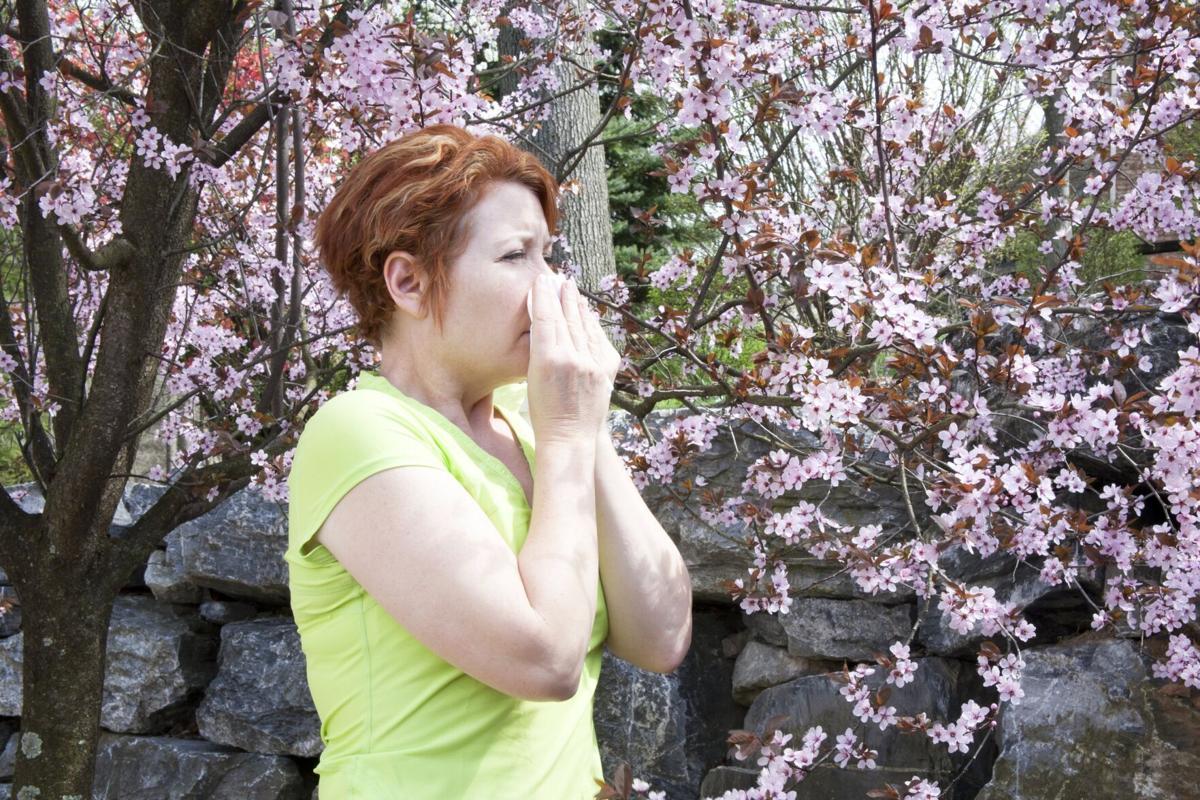
Ontario is facing a difficult spring allergy season as fluctuating temperatures and spring rainfall trigger a sharp rise in pollen levels. Experts say several of Canada’s worst cities for seasonal allergies are in Ontario, with Hamilton currently ranking as one of the highest for pollen activity in the country.
According to aerobiology specialists, the unusual weather pattern delayed some early tree pollens, causing them to overlap with highly allergenic species now entering bloom. That means many residents could experience stronger symptoms than usual over the next few weeks.
Worst Cities in Ontario for Seasonal Allergies
Based on long-term pollen data, these Ontario cities are among the toughest places for allergy sufferers:
- Windsor
- Hamilton
- Barrie
- Kingston
- Toronto (high seasonal counts near the lake)
- Kitchener
- Ottawa (rising soon)
Why This Season Feels Worse
Experts say several factors are colliding:
- Cold weather delayed early pollens like cedar, alder and poplar
- Warmer weather is now triggering birch, oak and maple together
- Rain followed by warmth encourages rapid plant growth
- Higher average temperatures over time may be increasing pollen output
The result: multiple allergens in the air at once.
What Pollens Are Active Right Now
Currently affecting many Ontarians:
- Cedar
- Alder
- Maple
- Birch (very allergenic)
- Oak (very allergenic)
- Poplar
Grass and weed pollen will become more active later in spring and summer.
Common Allergy Symptoms
You may notice:
- Sneezing
- Runny or blocked nose
- Itchy eyes
- Watery eyes
- Scratchy throat
- Coughing
- Wheezing
- Trouble sleeping
- Fatigue
Best Ways to Get Relief
At Home
- Keep windows closed during high pollen days
- Use air conditioning if available
- Run a HEPA air purifier
- Shower and change clothes after being outside
- Wash bedding regularly
Outdoors
- Check daily pollen forecasts
- Limit outdoor time in the morning or windy days
- Wear sunglasses outdoors
- Avoid mowing grass if sensitive
Medication Options
- Non-drowsy antihistamines
- Saline nasal rinses
- Allergy eye drops
- Nasal steroid sprays (best when used consistently)
If symptoms are severe or long-lasting, speak with a doctor or pharmacist.
What About Local Honey?
Some people try local honey, but experts say evidence is limited. It may be harmless for many people, but it is not considered a reliable treatment.