

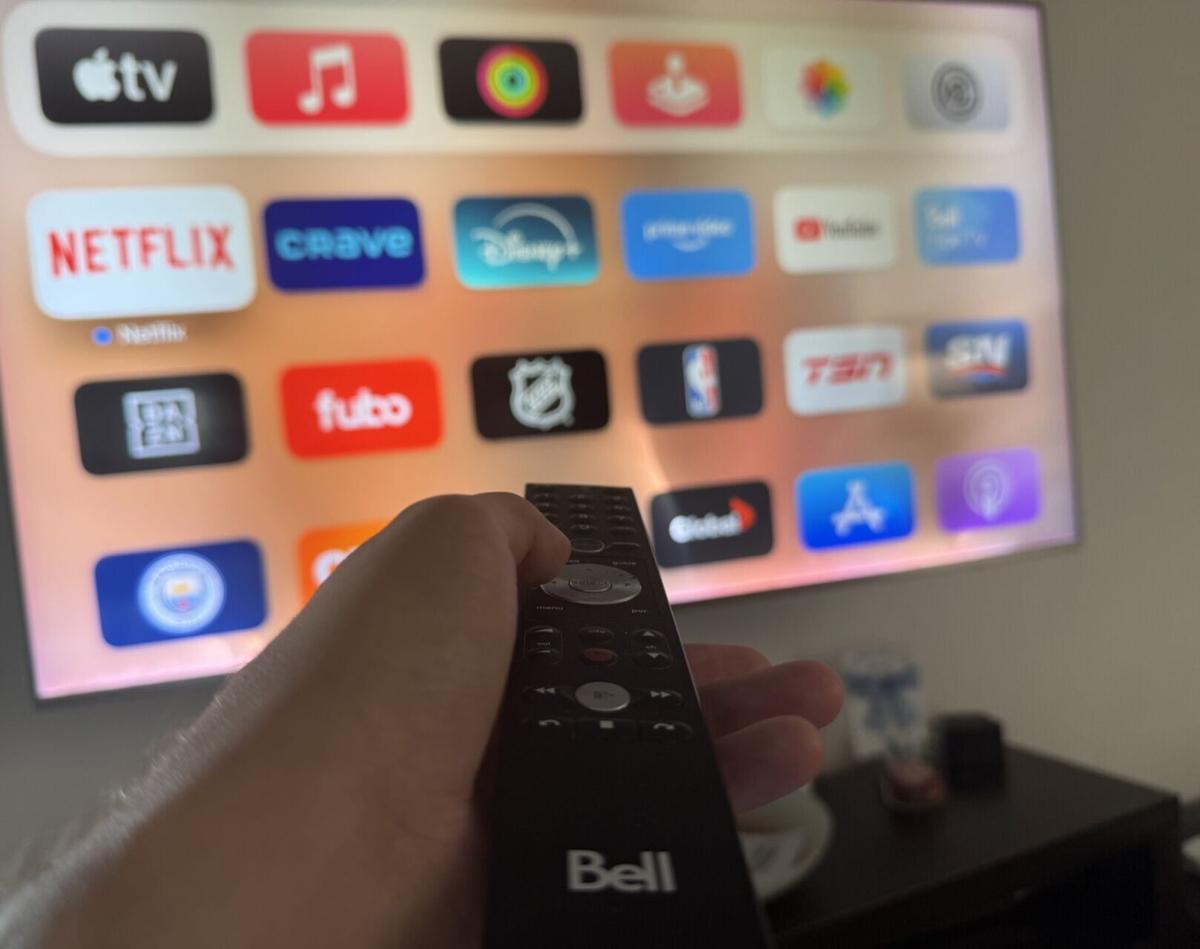
A smart TV is basically a small internet-connected computer, so it can face many of the same security risks as a phone, laptop, or other smart home device. According to Ontario Tech University expert Li Yang, compromised TVs are often caused by weak security habits rather than highly sophisticated attacks.
How Smart TVs Get Hacked
Common causes include:
- Outdated TV software or firmware
- Weak or default passwords
- Insecure home Wi-Fi settings
- Downloading apps from unofficial sources
- Old apps with known vulnerabilities
- Reused passwords from other accounts
Once access is gained, attackers may try to collect account details, show unwanted content, or look for other vulnerable devices on your network.
Warning Signs Your TV May Be Compromised
Watch for unusual behaviour such as:
- Strange pop-ups
- Apps you didn’t install
- TV turning on or off by itself
- Frequent crashes or freezing
- Settings changing unexpectedly
- Slow performance for no clear reason
These signs don’t always mean hacking—sometimes it’s just a software glitch or hardware issue.
What To Do If You Suspect a Hack
- Disconnect the TV from Wi-Fi immediately.
- Change passwords for accounts used on the TV (streaming, email, shopping accounts).
- Remove suspicious apps.
- Check for software updates.
- Run a factory reset if issues continue.
- Reconnect only after securing the device.
Best Ways to Prevent It
- Keep software updated
- Install apps only from official stores
- Use strong, unique passwords
- Turn on multi-factor authentication when available
- Secure your Wi-Fi with a strong password
- Remove apps you no longer use
- Review privacy and microphone/camera settings
Extra Tip for Home Security
The same advice applies to other connected devices like smart speakers, cameras, doorbells, and appliances. If it connects to the internet, it should be secured.
Bottom Line
Yes, a smart TV can be hacked—but most risks can be greatly reduced with simple habits: update it, secure passwords, trusted apps, and a protected Wi-Fi network.