

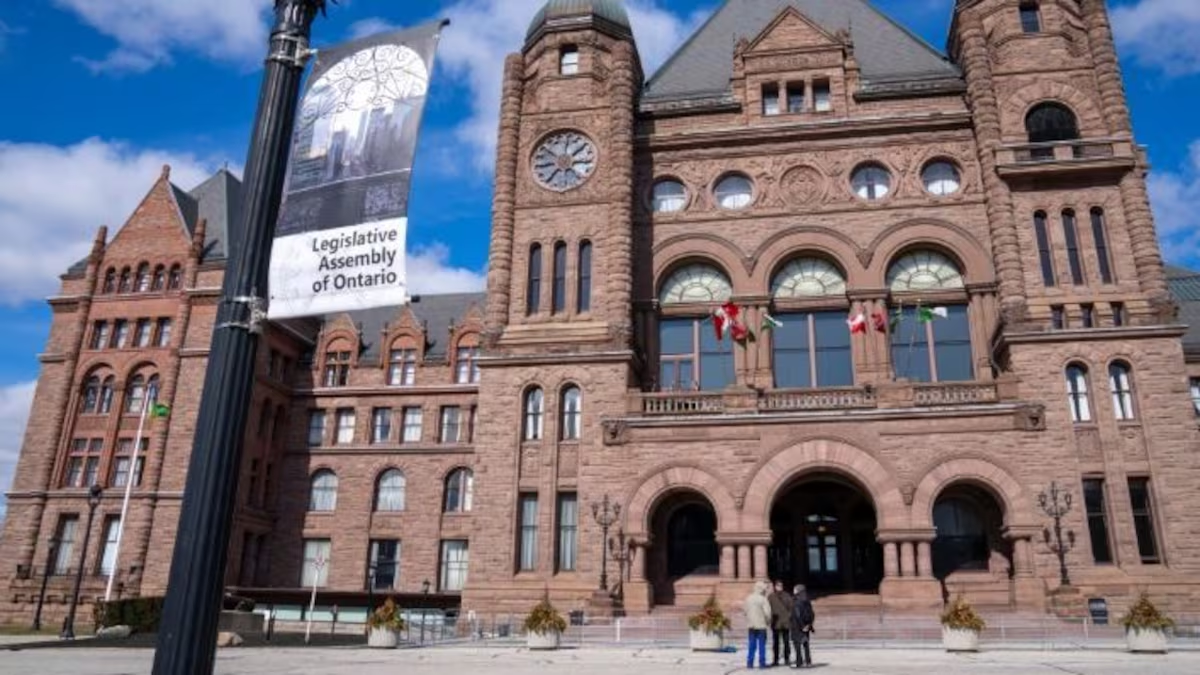
The Ontario government has unveiled its 2026 budget with a focus on easing financial pressure on households and supporting businesses, as the province navigates global economic uncertainty and trade tensions. Finance Minister Peter Bethlenfalvy said the plan aims to make Ontario more competitive and resilient, while introducing targeted measures that could directly impact the daily finances of residents.
One of the most significant measures is a temporary rebate on the provincial portion of HST for new homebuyers. Eligible buyers could save up to $130,000 on new homes valued at up to $1.5 million, with reduced rebates for higher-priced homes. The initiative is intended to stimulate housing construction and improve affordability, although it remains dependent on corresponding federal legislation.
Commuters will continue to benefit from the extension of the One Fare Program, which allows seamless transfers across transit systems such as TTC and GO Transit without paying additional fares. The program, now extended by two years, has already saved riders hundreds of millions collectively, with some individuals saving up to $1,600 annually.
Small businesses are also set to receive meaningful relief through a proposed reduction in the corporate income tax rate from 3.2 per cent to 2.2 per cent, effective July 2026. The government estimates this will benefit more than 375,000 businesses and provide approximately $1.1 billion in savings over three years, helping entrepreneurs reinvest and grow their operations.
Further support for businesses comes through accelerated tax write-offs for equipment and machinery. Under the proposed plan, companies could claim a full 100 per cent deduction in the year of purchase, rather than spreading it over time, improving cash flow and encouraging investment in productivity.
In education, the province is introducing a Classroom Supplies Fund, providing elementary school teachers with $750 annually through a dedicated card system. This move is designed to reduce out-of-pocket spending by educators and ensure students have access to essential learning materials.
Consumers may also see changes in the entertainment sector, as the government moves to ban the resale of event tickets above face value. The measure aims to address long-standing concerns about inflated resale prices, particularly for high-demand events, and could bring more fairness to ticket buyers ahead of major events like international sporting tournaments.
While these measures offer targeted relief, the broader fiscal picture remains challenging, with continued deficits and economic uncertainty shaping the government’s approach. For many Ontarians, the real impact of the budget will depend on how these initiatives translate into tangible savings in housing, transportation, and everyday expenses in the months ahead.