

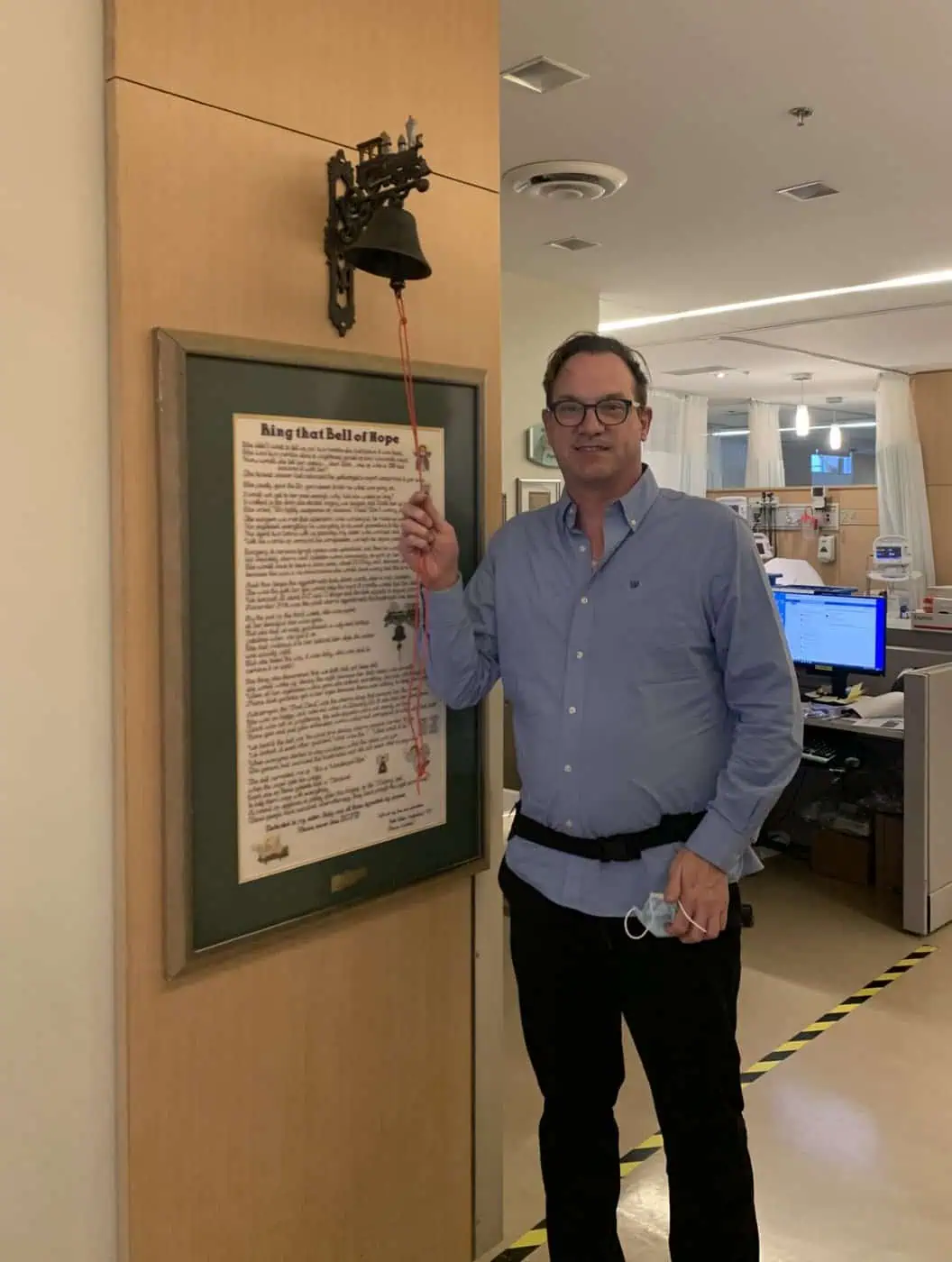
Health advocates are calling on governments across Canada to lower the recommended age for routine colorectal cancer screening from 50 to 45 as diagnoses among younger adults continue to rise. The Canadian Cancer Society says more people under the age of 50 are being diagnosed with colorectal cancer than in previous generations and earlier screening could help detect the disease before it becomes life-threatening. Advocates point to cases such as Ottawa resident Michael Groves, who discovered he had Stage 3 colorectal cancer at age 49 after experiencing abdominal pain and later noticing blood in his stool. A colonoscopy revealed a five-centimetre tumour that had already spread to two lymph nodes, despite Groves otherwise feeling healthy and active. He underwent surgery to remove part of his colon followed by six months of chemotherapy and spent nearly nine months away from work during recovery. Now in his mid-50s, Groves believes earlier routine screening could have detected the cancer sooner and potentially reduced the severity of his treatment.
Health experts say the push to lower the screening age reflects growing evidence that colorectal cancer rates are increasing among people in their 40s. According to the Canadian Cancer Society, adults under 50 are now two to two-and-a-half times more likely to be diagnosed with the disease compared with earlier generations. Under current screening programs, Canadians aged 50 and older are typically offered a home-based fecal immunochemical test, commonly known as a FIT test, which detects blood in stool samples. If the test returns a positive result, patients are referred for a colonoscopy to check for cancer. Those younger than 50 are generally only screened if they have symptoms or risk factors such as a family history of the disease.
Advocates say expanding routine FIT screening to people aged 45 and older could significantly improve early detection, when survival rates are far higher. Studies suggest that colorectal cancer found at an early stage has a survival rate of up to 90 per cent, compared with less than 15 per cent when the disease is discovered at an advanced stage. Medical specialists note that colonoscopies can also identify and remove precancerous polyps before they develop into cancer, a process that can take eight to ten years. A recent study published in the Journal of the Canadian Association of Gastroenterology estimated that lowering the screening age to 45 could prevent more than 15,000 cases of colorectal cancer and about 6,100 deaths over the next 45 years, while also reducing treatment costs by roughly $233 million. Researchers say the findings add to growing scientific evidence supporting earlier screening to improve health outcomes and save lives.