

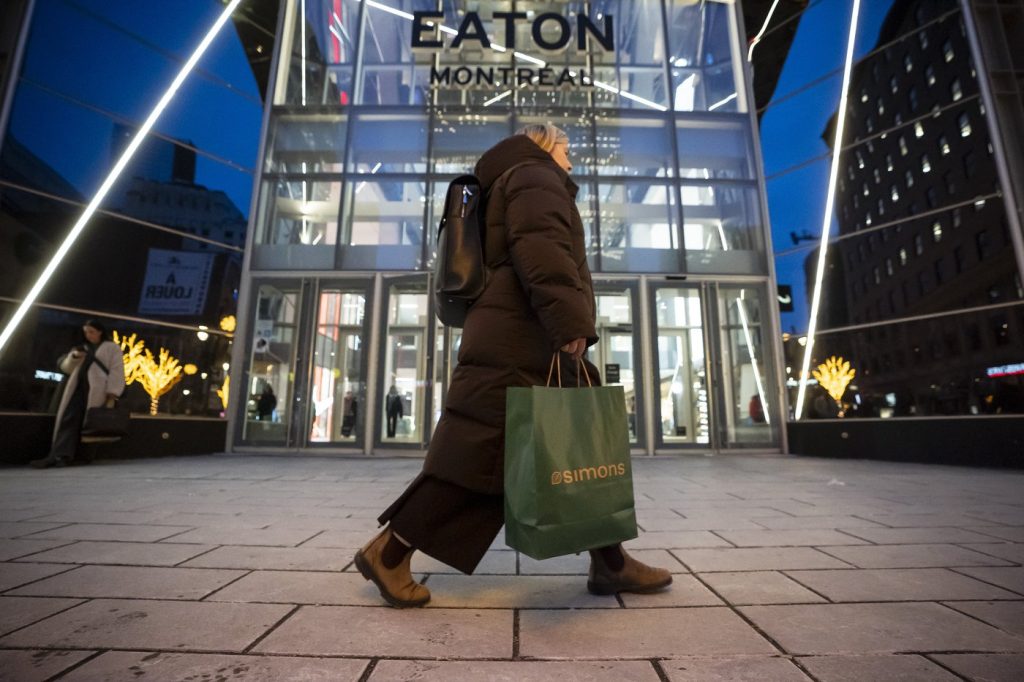
Quebec is preparing to relax its strict retail operating-hour rules, allowing stores to stay open later on weekends under a one-year pilot project beginning March 11. The move will permit shops to remain open until 9 p.m. on Saturdays and Sundays — the same closing time currently allowed on weekdays — but the change is receiving mixed reactions from business owners.
Quebec has long maintained some of the strictest retail operating-hour rules in Canada. According to provincial officials, most retail stores — excluding pharmacies and grocery stores — must currently close by 5 p.m. on weekends. The regulations were originally designed to protect workers’ work-life balance and help smaller businesses compete with larger chains that can afford longer operating hours.
Samuel Poulin said Quebec remains the only province in Canada that still broadly regulates retail opening hours throughout the year.
Some business owners have welcomed the change. Charlie Whitley, who runs a vintage clothing shop in Montreal’s Mile-End neighbourhood, said he has long been frustrated by the mandatory early closures.
“Every weekend it pains me to close the door at five,” he said, describing the rule as outdated.
The pilot program follows earlier trials conducted in the cities of Gatineau, Laval and St-Georges last year, where retailers were allowed to stay open until 8 p.m. on weekends.
However, not all retailers believe longer hours will translate into higher sales.
Suzanne Foucault, owner of the clothing store Uchuu on Laurier Avenue West in Montreal, said extending operating hours may simply spread the same number of customers across a longer day while increasing labour costs.
“We would only dilute sales, not increase them,” she said.
Retailers also note that the growth of online shopping means consumers can already purchase items at any time of day. Large e-commerce platforms such as Shein and Temu operate without the restrictions imposed on physical stores.
Myriam Élie, owner of jewelry boutique Myel, said between 20 and 30 per cent of her sales already come from online orders, meaning longer store hours may have little impact.
Others are considering adjusting their schedules seasonally. Jennifer Glasgow, owner of a boutique on St-Laurent Boulevard, said extended evening hours may make more sense during warmer months when people are more likely to shop later.
Shopping centres are also responding differently to the change. Andrew Lutfy, head of Montreal’s newly opened Royalmount shopping and entertainment complex, said the added flexibility will benefit businesses and customers.
“The government should not get involved in our operations,” he said, adding that brands and customers are requesting longer hours, particularly on weekends.
Other commercial hubs are taking a more cautious approach. Place Ville Marie, a major shopping complex in downtown Montreal, said it currently has no plans to extend operating hours during the pilot period.
Economists say the policy change may not dramatically alter consumer behaviour. Roger Gagné, director of the Centre for Studies on Productivity and Prosperity in Montreal, said businesses will ultimately adjust based on customer demand.
“People won’t necessarily consume more just because opening hours change,” he said. “It will simply offer greater convenience.”
Some analysts also warn that longer operating hours could worsen labour shortages in the retail sector. Julia Posca of the Institut de recherche et d’informations socioéconomiques noted that Quebec still had more than 11,000 vacant retail jobs as of late 2025.
Supporters of deregulation say the province should go further. Renaud Brossard of the Montreal Economic Institute pointed out that provinces like Ontario allow stores to set their own operating hours, with businesses theoretically able to operate around the clock.
Still, Quebec officials say the pilot project will help determine whether greater flexibility benefits both businesses and workers before any permanent policy changes are considered.