

Canada has expanded its air transportation agreements with Saudi Arabia and the United Arab Emirates, allowing significantly more passenger and cargo flights between the countries and strengthening trade and travel links with the Middle East.
The new reciprocal agreements, announced by the federal government in late 2025 and now in effect, follow economic discussions led by Prime Minister Mark Carney with regional leaders. Ottawa says the changes will give Canadian airlines more access to Middle Eastern markets while allowing Saudi and Emirati carriers to operate more flights into Canada.
Canada–Saudi Arabia agreement
Under the updated Canada–Saudi Arabia air transportation agreement, each country may now operate up to 14 passenger flights per week, up from four previously. The deal also allows for unlimited all-cargo flights, compared with a former cap of three per week per country.
The agreement further introduces so-called fifth freedom rights for all-cargo services. These rights allow airlines to carry cargo between two foreign countries on flights that originate or end in their home country, enabling carriers to pick up or drop off freight at intermediate international stops.
Canada–United Arab Emirates agreement
The revised Canada–United Arab Emirates agreement raises the weekly limit on passenger flights to 35 per country, up from 21. It also removes limits on all-cargo flights, which had previously been capped at four per week per country, and similarly introduces fifth freedom rights for cargo operations.
Trade and economic ties
The federal government said the expanded agreements were negotiated during the International Civil Aviation Organization’s 17th annual Air Services Negotiation Event (ICAN 2025).
“These expanded air transport agreements are a win for Canadian workers, businesses, and travellers alike,” said Transport Minister Steven MacKinnon in a statement, adding that increased flight options will improve competition, global connectivity and trade diversification.
Saudi Arabia and the U.A.E. are among Canada’s fastest-growing air travel markets in the Middle East. Saudi Arabia was Canada’s largest merchandise trading partner in the region, with two-way trade valued at about $4.1 billion in 2024. Trade with the U.A.E. that year totalled roughly $3.4 billion.
In November 2025, Carney also announced a bilateral agreement with the U.A.E. that is expected to lead to $70 billion in Emirati investment in Canada across sectors including energy, artificial intelligence, logistics and mining.
How much do Emirates tickets cost?
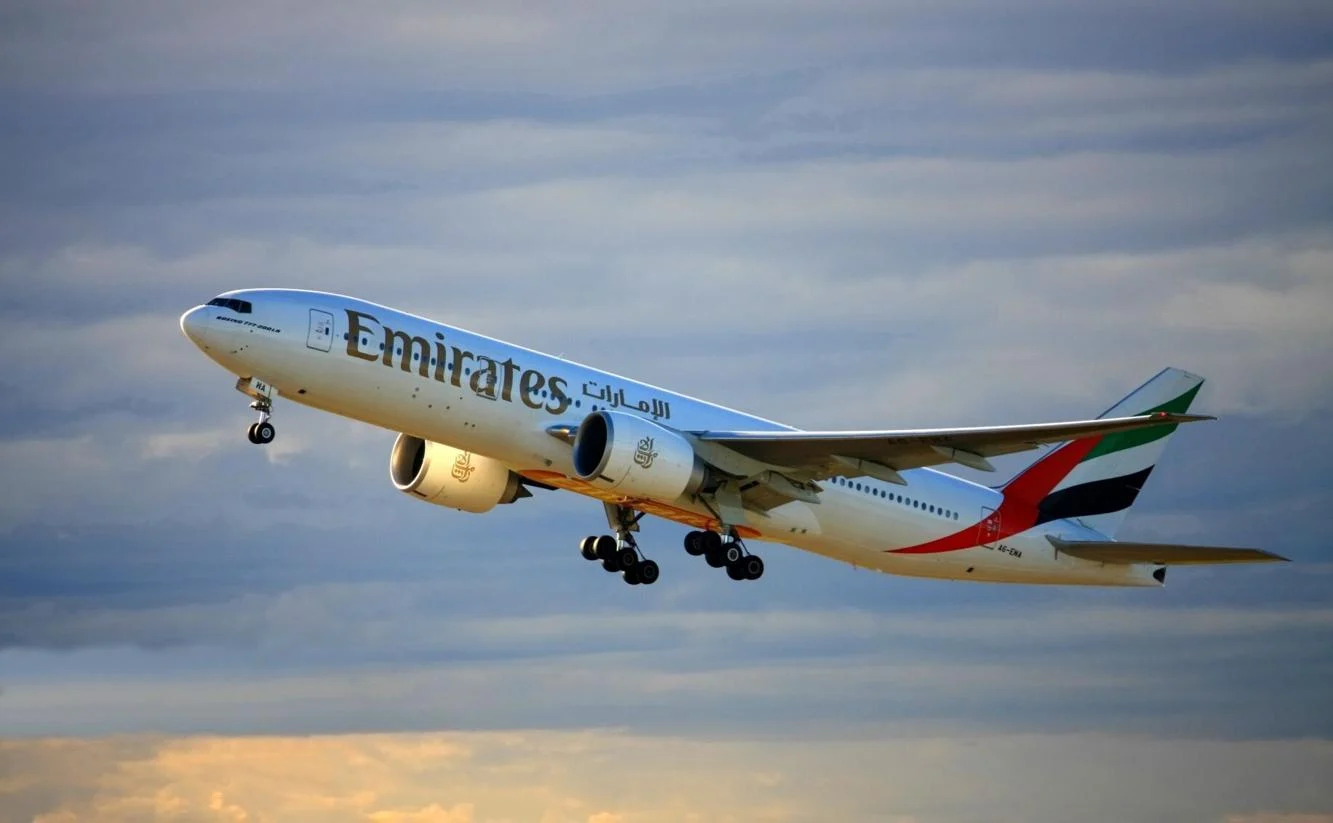
The expanded agreement with the U.A.E. highlights the growing presence of Gulf carriers such as Emirates, widely known for its luxury service and status as the world’s largest operator of international first-class travel.
A review of Emirates’ online booking system shows that a round-trip flight from Toronto to Dubai typically costs about $2,000 in economy class. Business-class fares average around $8,000, while first-class tickets generally exceed $20,000, with prices remaining relatively consistent across seasons.
First-class passengers receive premium services including chauffeur-driven transfers to and from airports, access to exclusive lounges, and private onboard suites equipped with adjustable lighting and temperature controls, a 32-inch television, a minibar, and a fully flat bed.
The government says the expanded air agreements are intended to boost travel options, deepen economic ties and position Canada more competitively in global aviation and trade.