

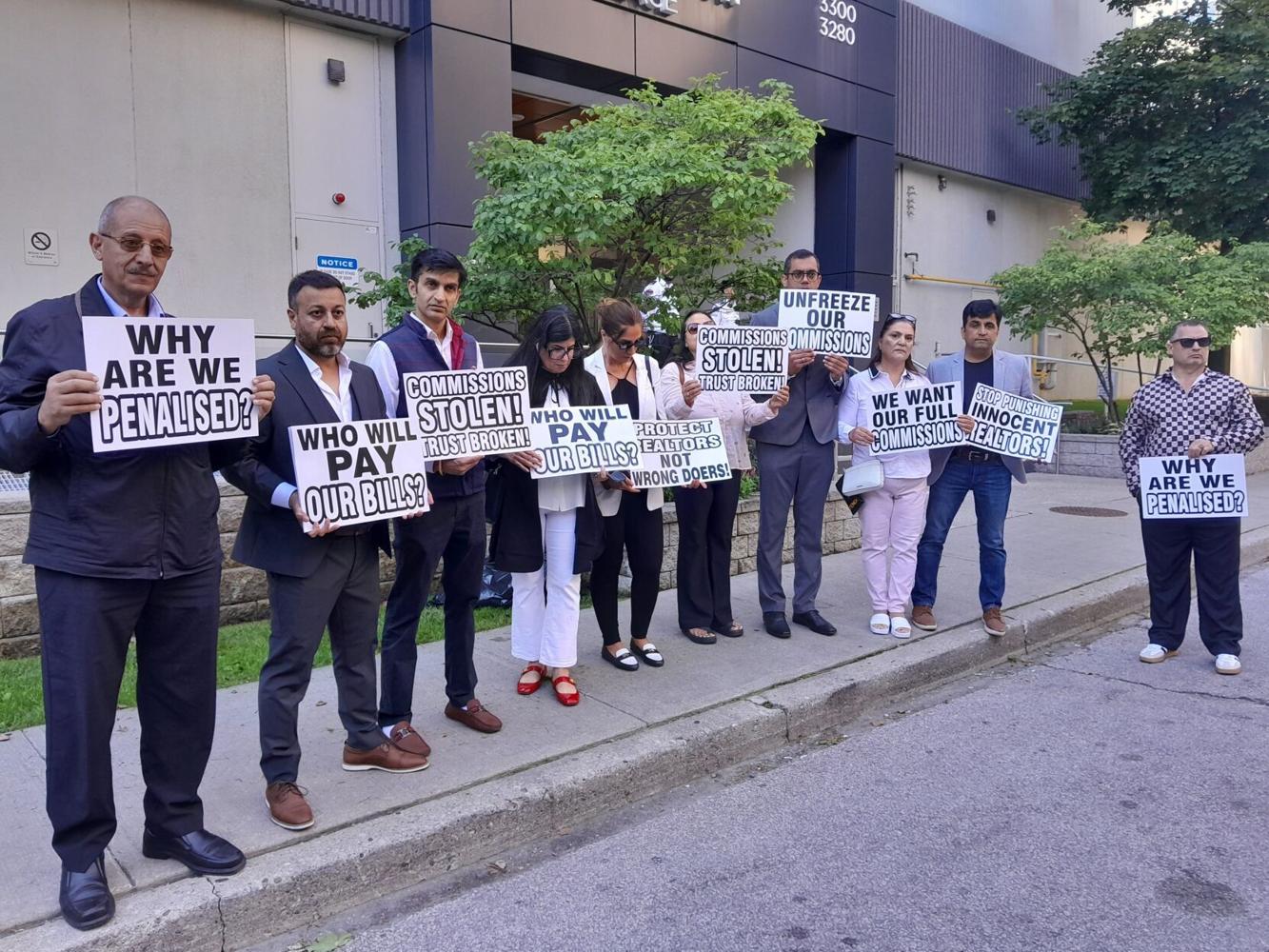
Realtors impacted by the iPro Realty scandal will begin receiving 50 per cent of their frozen commissions as early as Dec. 17, a move that has drawn sharp criticism from affected agents who say they are owed full payment for work already completed.
In a public advisory issued Dec. 15, Real Estate Council of Ontario (RECO) administrator Jean Lépine said the Insurance Program Manager, Alternative Risk Services, will begin issuing eligible commission protection payments at a pro-rated level of 50 per cent, supported by the professional liability insurance program.
“RECO’s priority has been to facilitate the acceleration of commission protection payments,” Lépine said. He added that RECO has also worked with the insurer to ensure consumers were not harmed, noting that approximately $5 million in consumer deposit claims have already been paid.
Some realtors say the partial payout falls far short of what they expected.
Maria Florez, a real estate agent who says she is owed about $50,000 in commissions, said receiving only half is unacceptable.
“We are not happy. This is not acceptable to us,” Florez said in an interview on Dec. 16. “We didn’t work so hard and protest so that we could get paid 50 per cent of our commission. We expect to get paid 100 per cent of our commission.”
Florez said she is part of a group of roughly 250 affected agents who plan to send a letter outlining their concerns to Lépine and Ontario Premier Doug Ford.
“When is it OK that you work for months on end, wait four months to get paid, and then be told you’re only getting half?” she asked.
According to Alternative Risk Services, the total commission losses submitted as claims are projected to reach about $30 million.
“This event is larger in scope and size than any that has occurred in 25 years of the insurance program,” the company said in a Dec. 15 statement. It said the combined total of the program’s $4 million insurance limit and funds expected to be available in frozen iPro accounts is sufficient to cover only about 50 per cent of total commission claims.
The provincial government assumed control of RECO on Dec. 1, appointing Lépine as administrator following concerns over the regulator’s handling of the iPro situation.
An audit found that RECO’s registrar deviated from standard procedures in responding to the misappropriation of trust funds by a registrant. According to the report, iPro first disclosed a shortfall of roughly $10 million in its trust accounts to RECO on May 19. The issue was not publicly disclosed until Aug. 14, when RECO announced the brokerage would terminate its registration and close on Aug. 19.
RECO froze all iPro accounts in August to safeguard funds.
“Once a freeze order is in place, outstanding funds can be deposited, but no funds can be released or accessed by any party without a court order, which requires evidence of loss,” Lépine said.
The freeze sparked several protests by agents seeking access to their earned commissions.
At the time of its closure, Mississauga-based iPro Realty employed about 2,400 agents and operated 17 locations across the Greater Toronto Area, including Burlington, Brampton, Milton, Georgetown, Woodbridge, Orangeville and Pickering.
In a Dec. 15 email, Florez said realtors are required to pay into an insurance system intended to protect both consumer deposits and commissions, despite having no control over brokerage trust accounts.
“The only parties with the ability to commit fraud, mismanagement or insolvency of trust funds are brokerages themselves,” she wrote. “Yet realtors are the ones paying out of pocket for insurance — and when it’s finally triggered, they’re last in line, receiving only partial payment for commissions already earned.”
Florez called the structure unfair and raised broader questions about regulatory oversight and delayed intervention.
“If brokerages are the custodians of trust funds, why aren’t they bearing the full cost of the insurance?” she said. “And if regulatory failures contributed to the scale of this loss, why isn’t RECO fully responsible for ensuring commissions are paid in full?”
She said affected agents continue to demand 100 per cent payment of their outstanding commissions.