

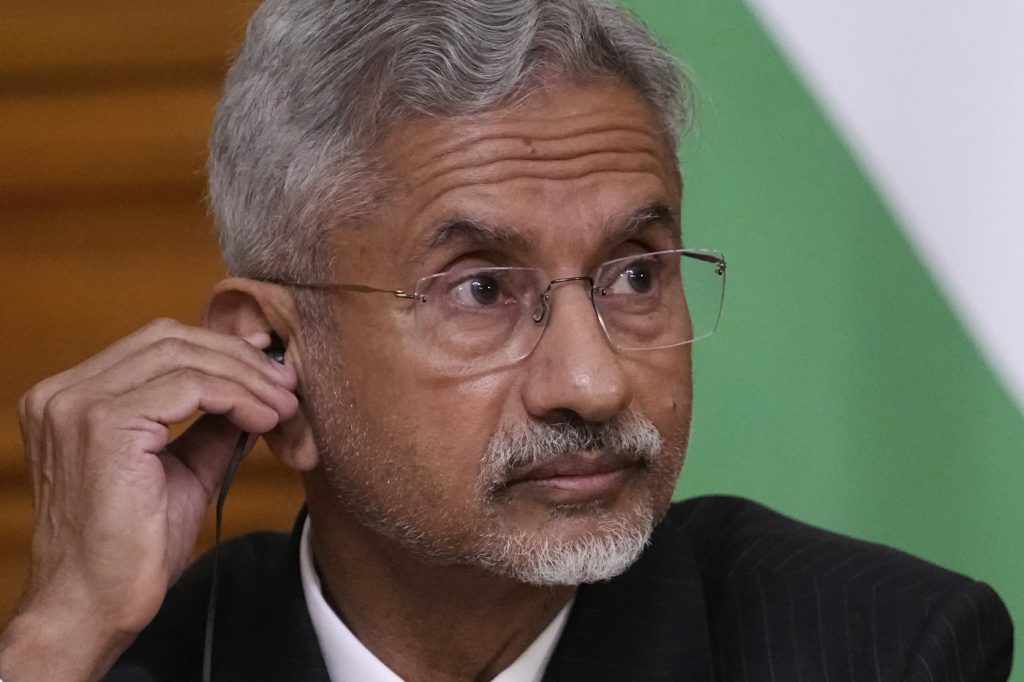
New Delhi — Canadian Foreign Affairs Minister Anita Anand’s arrival in India marks the first visit by a Canadian cabinet minister in two years, a significant step in resetting a relationship that had been strained by political tensions and trade standstills.
Anand met Indian Prime Minister Narendra Modi on Monday, emphasizing a shared commitment to revive bilateral cooperation. In a joint statement with Indian External Affairs Minister Subrahmanyam Jaishankar, both sides outlined a new roadmap to strengthen trade ties and “take calibrated measures to restore stability in the relationship.” The ministers highlighted that a “strong and resilient Canada–India bilateral relationship is essential” in the face of global economic uncertainty and rising geopolitical tensions.
This renewed engagement builds on momentum generated earlier this summer when Modi visited Canada for the G7 summit in Alberta and met with Prime Minister Mark Carney. That meeting was seen as a turning point after relations had plunged to historic lows in September 2023, when Canada publicly accused New Delhi of involvement in the assassination of Sikh activist Hardeep Singh Nijjar. The fallout led to reciprocal diplomatic expulsions and a freeze in ministerial visits.
Anand’s visit signals a clear shift in tone. In addition to her meetings in New Delhi, she will travel to Mumbai to meet business leaders and explore new areas of cooperation. Both governments are looking to diversify trade beyond the U.S. market, with renewed talks on clean technology, critical minerals, and agriculture.
Indian Trade Minister Piyush Goyal described his recent discussion with Canadian Trade Minister Maninder Sidhu as “productive,” underscoring that future trade and investment must be rooted in “mutual respect, trust, and balance.” Sidhu echoed this sentiment, noting opportunities for collaboration in key sectors.
Behind closed doors, Canadian and Indian officials have also begun security-focused talks aimed at addressing issues such as transnational repression, which Ottawa has repeatedly raised. Both sides have agreed to prevent these concerns from overshadowing broader cooperation.
Canada’s Global Affairs briefing materials from earlier this year acknowledged India’s significant role in shaping global trade dynamics. The documents noted that India has been among a handful of countries stalling World Trade Organization negotiations on agriculture — a critical area for Canadian exporters — by blocking outcomes backed by most member states.
Still, Anand’s presence in India represents more than trade diplomacy; it is a public signal that both countries are willing to put the acrimony of the past two years behind them and rebuild trust through sustained, high-level engagement.