

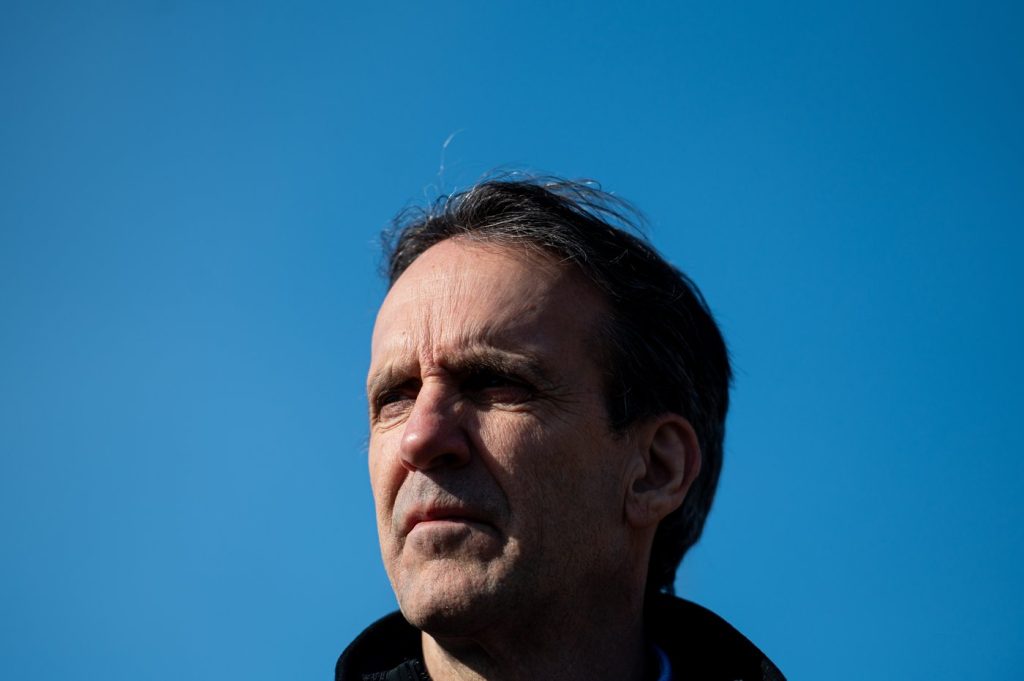
Canada’s newly appointed fentanyl commissioner says the federal government’s proposed border legislation could deliver a serious blow to the flow of lethal synthetic opioids. Kevin Brosseau, who took on the role in February, believes that the Strong Borders Act, introduced by the Liberal government, gives law enforcement key new tools to fight the rising threat of fentanyl both at home and abroad.
Brosseau’s support of the bill comes amid mounting U.S. pressure to crack down on cross-border trafficking of the deadly drug. While he is quick to point out that Canada is “not the significant source” of fentanyl entering the United States, he insists that even small quantities originating here are unacceptable. “We know domestically, in communities across this country, there is a problem with fentanyl production, supply, trafficking and use,” he said. “That’s what incentivizes me to act and do something.”
The fentanyl crisis is killing an average of 21 Canadians every day—a staggering toll that Brosseau says demands a national, collaborative response. His strategy emphasizes integration across agencies and borders, and so far, that message has been welcomed by American counterparts, who see value in strengthening cooperation with Canada.
The Strong Borders Act includes measures that Brosseau sees as vital: expanding inspection powers for Canada Border Services Agency officers, allowing police authorized access to suspect mail, enabling broader inspection authority at Canada Post, and empowering the health minister to swiftly restrict chemicals used to produce illicit drugs. The legislation also enhances information-sharing capabilities and introduces tighter rules on large cash transactions, aiming to choke off the financial veins of organized crime groups behind the drug trade.
Critics of the bill, including civil liberties and refugee rights advocates, have voiced concerns about privacy and overreach. But Brosseau argues that a focused, multi-faceted approach is necessary. Without it, he said, efforts to stop drug trafficking amount to little more than a game of whack-a-mole. “Criminal organizations are incredibly adept at figuring out what the weak points are,” he explained. “They will be exploited until you close them off.”
The federal government is also doubling down on surveillance technology at the border—using drones, helicopters, and towers 24/7—and is working with the U.S. on launching a North American joint strike force to take down cross-border criminal networks.
Brosseau’s mission, however, goes beyond policing. He talks about balancing enforcement with compassion, holding traffickers accountable while supporting those caught in the grip of addiction. “I call it an all-of-society approach,” he said. “There are no free rides in this.” As a father himself, he feels the fear many parents share and sees his work as a way to offer both reassurance and real solutions. “We’re going to do something about it,” he said, adding that Canadians deserve to feel safer in their communities and more hopeful about the future.