

Ontario’s ongoing measles outbreak has taken a tragic turn, with the province confirming the death of a premature infant infected with the virus. The child, who also had underlying medical conditions and a congenital measles infection passed from the mother during pregnancy, died in southwestern Ontario, marking the province’s first outbreak-related fatality.
The most recent update from Public Health Ontario, released June 5, reports 121 new measles cases over the past week—bringing the total number of outbreak-related cases to 2,009 since the outbreak began in October 2024. The rise ends a four-week decline in case numbers, with new infections now trending upward again.
Breakdown of Cases and Demographics
Of the 2,009 total cases:
- 1,729 are confirmed, and 280 are considered probable.
- Nearly 75% of cases involve infants, children, and adolescents, most of whom were unimmunized.
- 96.2% of child cases and 67.3% of adult cases involved people without a measles vaccine.
- 140 individuals have been hospitalized, including 101 children. Nine people required intensive care.
Since the start of 2025, Ontario has reported 2,047 total measles cases, 75 of which are not linked to the multi-jurisdictional outbreak that originated in New Brunswick in October 2024.
Where Cases Are Spreading
The highest concentrations of new cases this week include:

- Grand Erie Public Health – 25 new cases (273 total)
- Southwestern Public Health – 21 new cases (725 total)
- Algoma Public Health – 27 new cases (53 total)
- Wellington-Dufferin-Guelph – 12 new cases (66 total)
Only a few public health units reported no new cases this week.
Why It Matters
Measles is one of the most contagious diseases in the world. According to the U.S. National Foundation for Infectious Diseases, one person with measles can infect up to 18 others, and 90% of unvaccinated individuals exposed to the virus are likely to become infected.
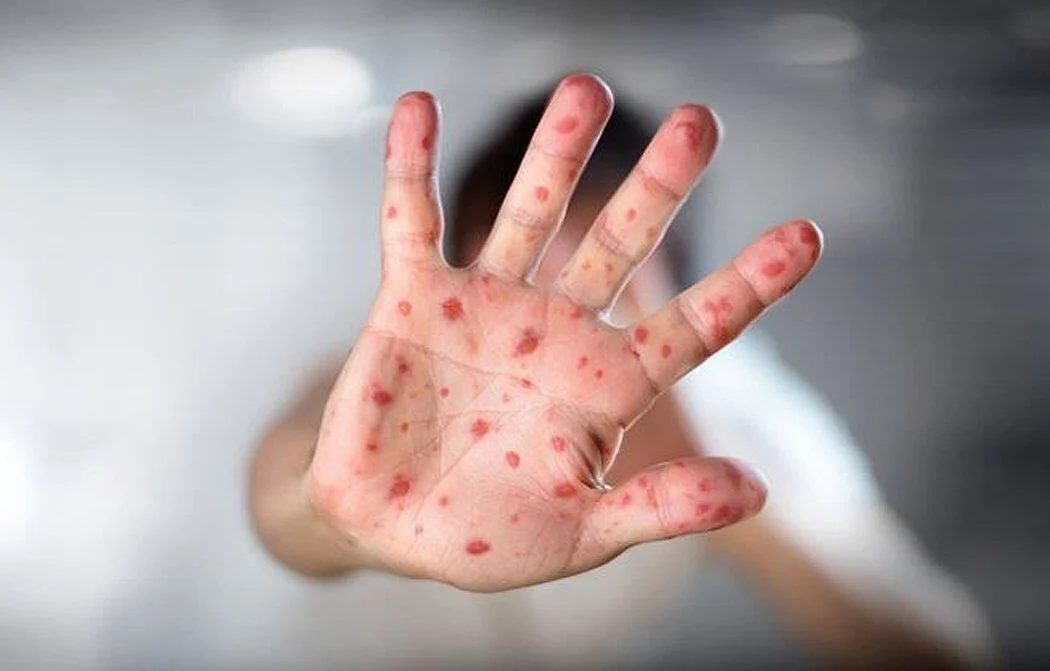
The virus spreads through the air and causes symptoms such as fever, cough, red eyes, and a distinctive rash. In severe cases, it can lead to pneumonia, swelling of the brain, deafness, blindness, and even death.
What to Do
Health Canada advises people who suspect they may have measles not to visit medical facilities without calling ahead, so staff can take precautions to prevent further transmission. There is no specific antiviral treatment for measles, but most individuals recover at home with rest and fluids. Vaccination remains the most effective prevention.
For those who are unvaccinated or unsure of their status, local health units and family doctors can provide guidance on measles immunization.
For potential exposure sites and the latest outbreak updates, visit Public Health Ontario’s website.