

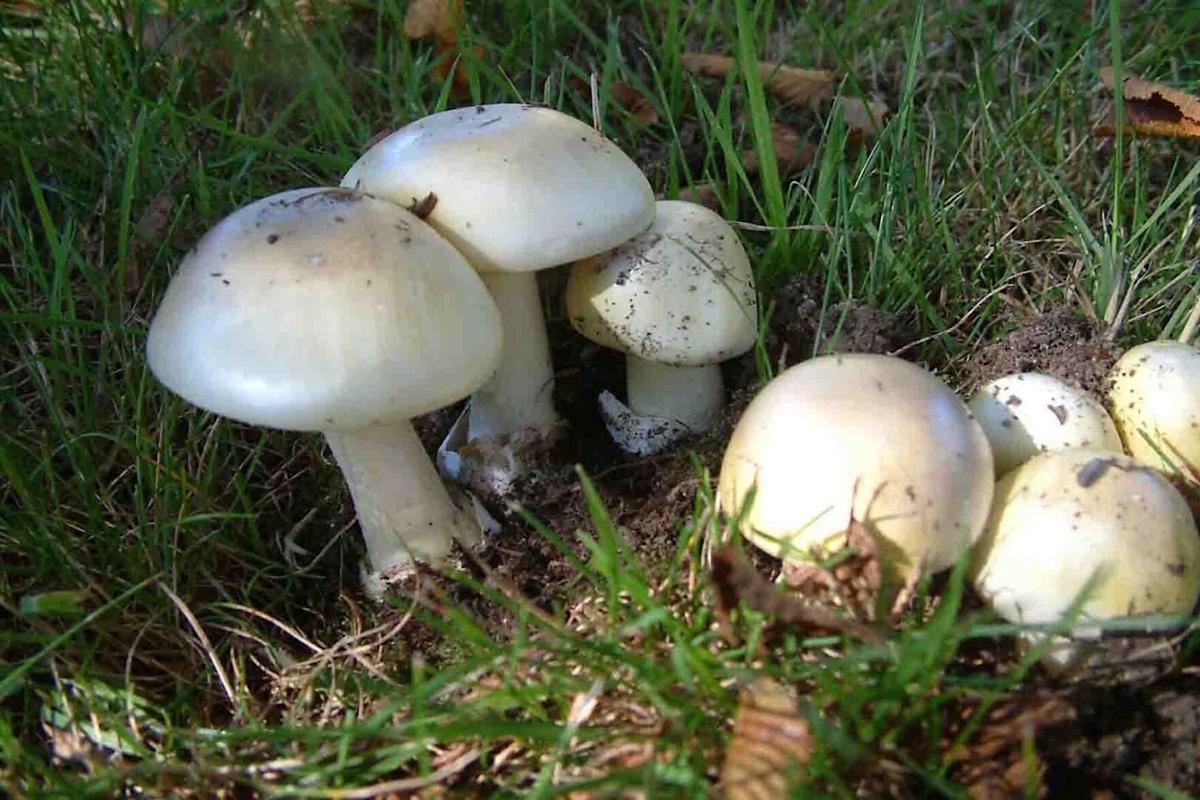
A deadly mushroom at the heart of a high-profile murder trial in Australia is also present in parts of Canada, prompting warnings from health and science experts about its lethal properties and deceptive appearance. Erin Patterson, a 50-year-old woman currently on trial, stands accused of killing three relatives and attempting to murder a fourth after allegedly serving them a meal containing the poisonous mushroom in July 2023. Three of the diners — Don and Gail Patterson, both 70, and Gail’s sister Heather Wilkinson, 66 — died after being hospitalized with poisoning. A fourth, Ian Wilkinson, 68, survived after undergoing a liver transplant.
The mushroom involved is Amanita phalloides, commonly known as the “death cap.” It is considered one of the most toxic mushrooms in the world and is responsible for approximately 90 per cent of mushroom-related deaths globally, according to the Royal Ontario Museum. Though native to Europe, the death cap was introduced to Canada through the roots of imported trees and has taken hold primarily in British Columbia. It tends to grow near broadleaf trees in urban and suburban areas, usually in the fall.
Despite reports of sightings in nearby U.S. regions such as New York, no confirmed death cap mushrooms have been found in Ontario to date. The mushrooms are often mistaken for harmless varieties like button mushrooms, straw mushrooms, or even edible puffballs — a misidentification that can be fatal. Experts warn that while puffballs are solid white inside, a sliced death cap may reveal an immature mushroom structure with developing gills.
The mushroom contains a cocktail of toxins, including amatoxins and phallotoxins. These compounds survive cooking and digestion, and even one cap is potentially fatal to an adult. Amatoxins, in particular, prevent protein synthesis in cells and quickly cause liver failure. Symptoms may be delayed for six hours or more, starting with nausea and severe diarrhea, followed by liver damage that can be irreversible. There is no known antidote, and even early medical intervention such as dialysis cannot remove the toxins from the body.
While deadly for humans, the death cap’s toxicity is also of interest to researchers. In 2021, the Canadian Cancer Society revealed that its scientists had created the world’s first synthetic amatoxin in the lab, with the aim of targeting and killing cancer cells. Researchers are now working on refining the toxin to eliminate cancer without harming healthy tissue.
Though rare in Canada, the mushroom has caused tragedy before. In 2015, a three-year-old boy from Victoria, B.C., died a week after eating foraged mushrooms believed to be death caps. It remains the only confirmed death in Canada linked to the mushroom, though several poisonings have been reported since the species was first discovered in B.C. in 1997.
Experts continue to urge foragers to exercise extreme caution. “Never eat anything you are not fully ready to identify or really sure it is what it is,” warned Simona Margaritescu, a mycology collections specialist at the Royal Ontario Museum. The warning is clear: the death cap may look like dinner — but it can be your last.