

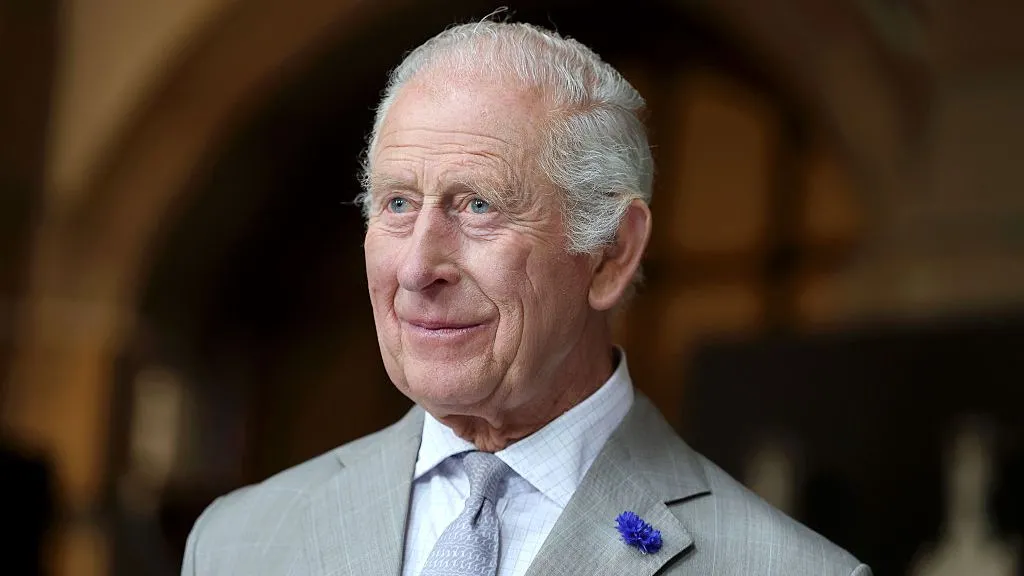
King Charles III has climbed 20 spots to rank among the richest people in Britain as his personal fortune soared to £640 million, placing him alongside former Prime Minister Rishi Sunak and his wife Akshata Murty, according to the latest Sunday Times Rich List. The monarch is now estimated to be worth £270 million more than his late mother, Queen Elizabeth II.
The annual ranking, which profiles the 350 wealthiest individuals and families in the U.K., recorded its sharpest decline in billionaires in the 37-year history of the list. The number of billionaires dropped from 165 in 2024 to 156 in 2025, signaling shifting financial winds and growing uncertainty among the ultra-rich.
Despite the dip, the Hinduja family retained the top spot for a fourth consecutive year with a fortune of £35.3 billion, down from £37.2 billion. Close behind were David and Simon Reuben at £26.9 billion and Sir Leonard Blavatnik at £25.7 billion.
One of the biggest losers this year was Sir Jim Ratcliffe, the Manchester United part-owner, whose net worth plummeted by £6.47 billion, dropping him from fourth to seventh on the list.
In contrast, King Charles’ net worth rose by £30 million over the past year, due primarily to returns from investments inherited from Queen Elizabeth, including income generated by the Duchy of Lancaster, a private estate valued at £654 million, which earns around £20 million annually. As sovereign, Charles was exempt from inheritance tax, allowing him to receive the full value of the Queen’s estate.
Other notable figures on the list include entertainers like Sir Elton John, David and Victoria Beckham, Sir Lewis Hamilton, and chart-topping pop stars Dua Lipa, Harry Styles, and Ed Sheeran. Among Britons under 40, Sheeran ranked highest at number 13 with £370 million, followed by Styles with £225 million and Lipa with £115 million.
According to Rich List compiler Robert Watts, the decline in billionaires and overall wealth reflects broader economic changes and political shifts. “We’re seeing fewer of the world’s super-rich choosing to live in the U.K.,” Watts said, noting heightened criticism among affluent individuals toward recent government tax reforms.
Among the most contentious was the Labour government’s abolition of non-domicile tax status, which previously allowed wealthy foreign nationals to shield offshore income from U.K. taxes. Chancellor Rachel Reeves accelerated the change first proposed by former Conservative Chancellor Jeremy Hunt, introducing a new tax regime that applies only to individuals who haven’t lived in the U.K. for a decade prior to arrival.
The government anticipates the reform will raise £12.7 billion over five years—a move cheered by reform advocates but criticized by some business elites who see it as a deterrent to foreign investment.
Additional global pressures, including U.S. President Donald Trump’s sweeping tariffs, also contributed to financial volatility. The tariffs, introduced in April, rattled global markets, pushed prices higher in the U.S., and sparked concern from the International Monetary Fund, which warned of growing distrust between trading nations.
Still, while the super-rich may be retreating, the rise of King Charles on the Rich List adds a royal twist to Britain’s evolving financial landscape—one shaped as much by shifting policies as by inherited fortunes.