

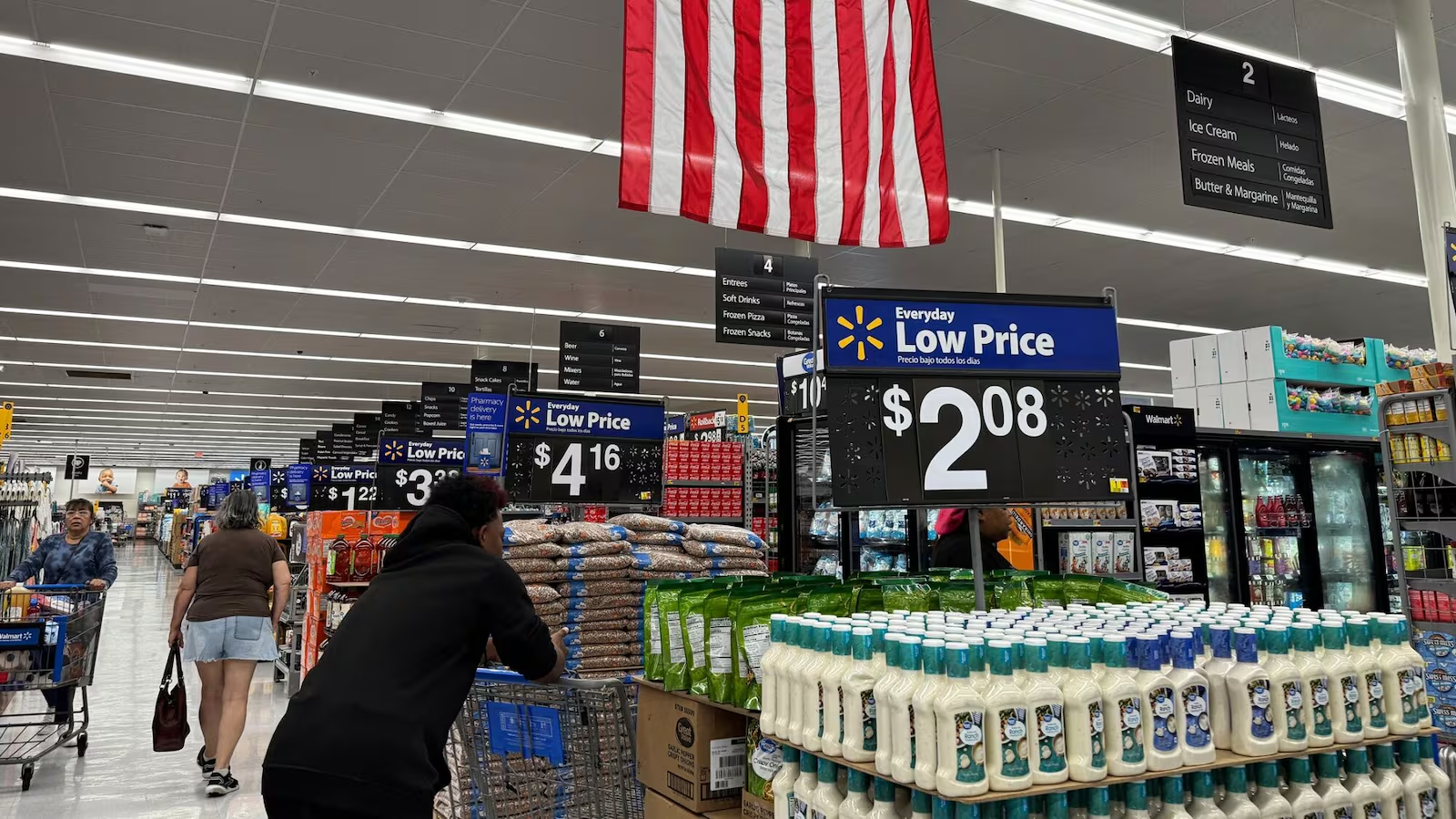
Walmart reported a solid sales performance for the first quarter but warned that price hikes are on the horizon due to rising costs from U.S. tariffs introduced by President Donald Trump.
The retail giant earned $4.45 billion in the quarter ending April 30, down from $5.10 billion in the same period a year ago. That amounts to 56 cents per share, or 61 cents per share adjusted, surpassing analyst expectations of 58 cents, according to FactSet.
Total revenue rose 2.5% to $165.61 billion, just below Wall Street forecasts, as U.S. comparable store sales increased 4.5%, slightly down from the 4.6% growth posted in the previous quarter.
Despite profit pressure, shares rose nearly 3% in pre-market trading Thursday.
Walmart’s performance was largely driven by strong sales in health, wellness, groceries, toys, and kids’ apparel, while home goods and sporting equipment saw weaker demand. Global e-commerce sales surged 22%, accelerating from the previous quarter’s 16% gain.
However, future prospects are clouded by economic uncertainty, persistent inflation, and tariff-related cost increases. Like many U.S. companies, Walmart declined to issue profit guidance for the second quarter, citing volatility in trade policy and consumer spending habits.
President Trump’s tariffs — initially floated as high as 145% on Chinese imports — were reduced to 30% in a recent agreement, with some increases temporarily paused for 90 days. That brief reprieve is prompting retailers to rush shipments of products like toys, shoes, and clothing into the U.S. before tariffs spike again.
Yet Walmart says prices will still need to rise, even with the lower tariff rates.
“We’ll do our best to keep prices low, but we can’t absorb all of the tariff pressure,” said Walmart CEO Doug McMillon. “Retail margins are narrow, and the impact, even at reduced levels, is significant.”
While Walmart sources two-thirds of its merchandise domestically, with groceries making up roughly 60% of its U.S. business, it still relies heavily on global imports for general merchandise — the segment most exposed to tariffs.
The company is among the first major U.S. retailers to report quarterly results, offering a snapshot of consumer sentiment and operational resilience in an increasingly unpredictable environment.
In contrast, Amazon, which released earnings earlier this month, reported stronger-than-expected profits and sales. The e-commerce giant avoided immediate tariff fallout by importing large volumes of foreign goods in advance. Many third-party sellers also stockpiled inventory before the duties took effect, allowing Amazon to maintain pricing stability — for now.