

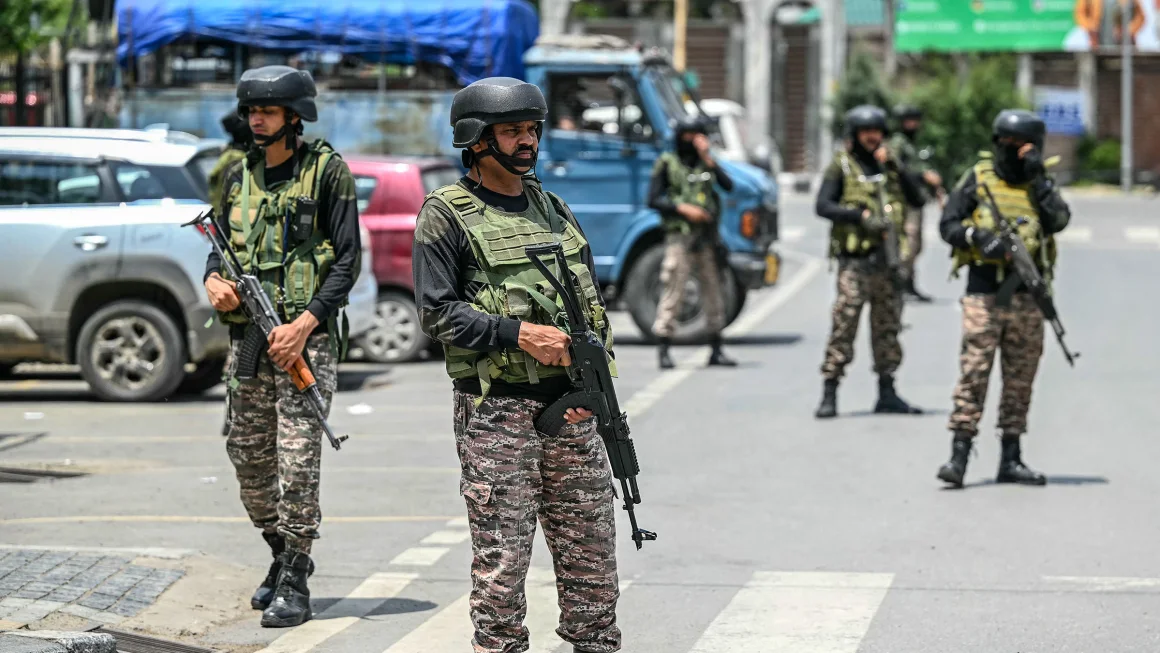
In the aftermath of the latest eruption of violence between India and Pakistan, both nations have emerged claiming victory. But despite the triumphal rhetoric from New Delhi and Islamabad, this brief but brutal conflict reveals the uncomfortable truth: there were no winners—only damage, denial, and dangerous unresolved tensions.
Moments after a U.S.-brokered ceasefire came into effect, Indian television screens blared the headline “Pakistan Surrenders.” Defense Minister Rajnath Singh praised India’s military actions as a bold statement against terrorism, referring to airstrikes carried out in response to the killing of tourists in Indian-administered Kashmir.
Meanwhile, across the border in Islamabad, Prime Minister Shehbaz Sharif hailed what he called a “spectacular” display of Pakistan’s military strength. Crowds took to the streets in celebration as Sharif declared that Pakistan’s air force had silenced Indian artillery in hours, even as protestors torched effigies of Indian Prime Minister Narendra Modi.
But behind the chest-beating narratives lies a far more sobering reality. Both countries inflicted and absorbed significant damage. Pakistan claims its fighter pilots shot down five Indian aircraft, including three French-made Rafales—an embarrassment India has refused to confirm. Independent sources, including a French intelligence report, suggest at least one Indian Rafale may indeed have been lost.
India, for its part, released satellite images purportedly showing serious damage to multiple Pakistani military facilities, including radar installations and airstrips—evidence it says proves the effectiveness of its retaliatory airstrikes.
These claims and counterclaims are difficult to verify, but the political messaging is clear. Both sides are desperate to project strength while masking vulnerabilities. And while the guns may have fallen silent for now, the deeper issues remain untouched.
The ceasefire itself came not through direct talks, but through intervention by the United States. President Donald Trump announced the truce unexpectedly on his Truth Social platform, taking credit for halting what many feared could spiral into full-scale war. U.S. Secretary of State Marco Rubio and Vice President JD Vance reportedly called top officials in both countries, urging restraint.
Pakistan has openly acknowledged Washington’s role and expressed gratitude. India, on the other hand, has sought to downplay any foreign involvement—partly out of national pride and partly because of its long-standing refusal to allow outside mediation on the Kashmir dispute. For India, Kashmir remains a domestic matter, not a topic for global negotiation.
Yet despite India’s reluctance, Trump has now offered to help broker a long-term resolution to the Kashmir dispute—what he framed as “a solution after a thousand years.” Pakistan welcomed the offer. India predictably dismissed it.
Still, the gesture serves as a stark reminder: the ceasefire, while welcome, is only a temporary reprieve. It’s a band-aid over a festering wound. The territorial and political grievances surrounding Kashmir remain deeply entrenched and unresolved.
For now, both India and Pakistan are content to declare moral and military victory. But beneath the surface, the echoes of this conflict—like so many before it—reveal a dangerous cycle, one that is bound to repeat itself. When the dust settles, the uneasy peace will hold only until the next spark ignites the decades-old powder keg that is Kashmir.