

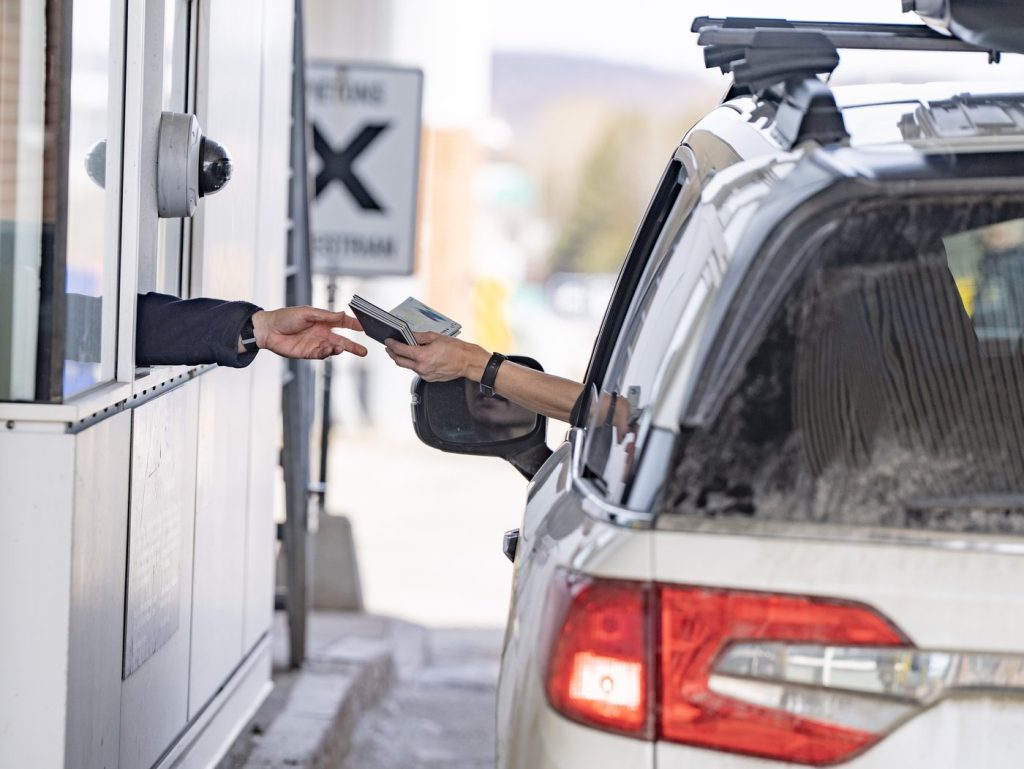
Canadian travel to the United States has taken a sharp nosedive, with new data from Statistics Canada revealing a significant decline in return trips last month—largely driven by political tensions, economic uncertainty, and growing unease at the border.
In March, the number of Canadians returning home by car after visiting the U.S. dropped by nearly 32 per cent compared to the same time last year. It marks the third straight month of year-over-year decline and represents the most dramatic drop in cross-border travel since the COVID-19 pandemic. Air travel also saw a dip, with return flights from the U.S. down 13.5 per cent.
Experts say the sharp decline reflects a rising wave of public frustration over recent U.S. policies and rhetoric. Threatened tariffs and inflammatory remarks by President Donald Trump—including suggestions that Canada could become the “51st state”—have deeply unsettled many Canadians.
“There’s a lot of resentment, a lot of anger,” said Martin Firestone, president of Toronto-based Travel Secure Inc., noting that Canadians are opting out of travel plans over both politics and fear of mistreatment at the border.
Reports of Canadians and other foreign nationals being detained for extended periods—sometimes more than a week—have added to the unease. One such case involved Canadian citizen Jasmine Mooney, while others include a German tourist couple and a backpacker from Wales, all of whom were held in U.S. processing centres. These stories have made headlines and sparked widespread concern.
Even the typically unwavering “snowbird” demographic—Canadians who spend winters in the southern U.S.—is growing wary. New registration rules taking effect this week require stricter reporting for Canadians staying in the U.S. for more than 30 days, adding to the sense that border experiences may become more complicated and adversarial.
In response, the Canadian government recently updated its travel advisory, warning that travellers could face increased scrutiny or even detention if denied entry into the U.S.
Still, U.S. Customs and Border Protection insists there is no need for concern. “It’s business as usual here,” said Mike Niezgoda, a spokesperson based in New York. “As long as you’ve got your documents, you’re fine.”
Yet for many, the declining value of the Canadian dollar is just one more reason to stay away. With the loonie hovering around 70 cents U.S., even routine cross-border shopping trips have become less appealing. “I literally can’t go to the mall,” said one Fort Erie resident quoted by Niezgoda, citing the exchange rate as a key deterrent.
Interestingly, Canadian travel to countries outside the U.S. is on the rise. According to Statistics Canada, return trips from other international destinations rose about nine per cent last month compared to March 2024, suggesting that while Canadians aren’t staying home, they are increasingly looking beyond their southern neighbour for leisure and travel.
Meanwhile, Americans are also making fewer trips north, with car travel from the U.S. to Canada down nearly 11 per cent in March—the second straight month of decline.
As political rhetoric intensifies and border concerns grow, it seems the long-standing tradition of Canadian-U.S. cross-border travel is entering an uncertain new phase.