

Ontario is entering its 2026 wildfire season under the shadow of an unsettling forecast: this summer could be among the hottest ever recorded. After one of the most destructive fire years in recent Canadian history, officials are now preparing for the possibility that extreme heat and dry conditions could once again fuel dangerous blazes across the province.
Wildfire season in Ontario officially runs from April 1 to Oct. 31. While recent rain has helped ease immediate concerns, experts warn that seasonal moisture can quickly give way to prolonged heat, drought and high winds — the combination most likely to intensify fire activity.
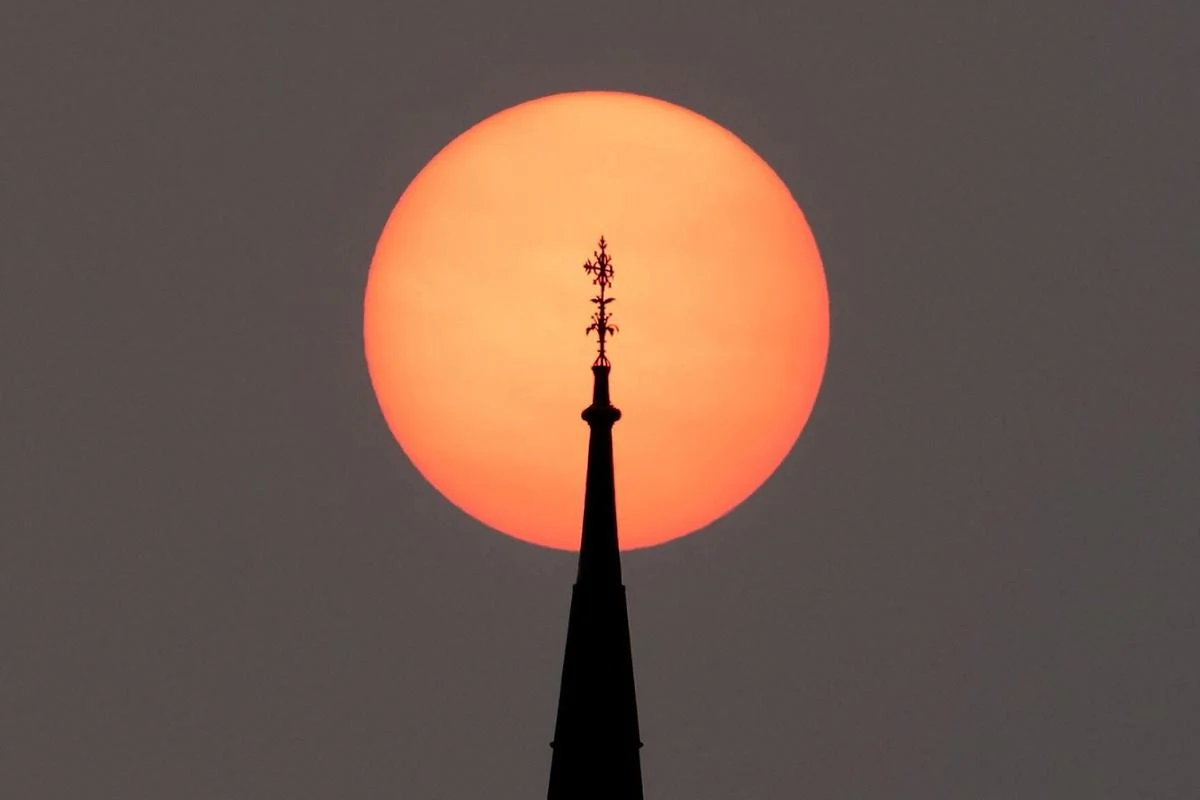
Last year offered a stark reminder of the growing threat. Across Canada, the 2025 wildfire season was ranked among the worst on record, with an estimated 8.9 million hectares burned nationwide. In Ontario alone, 643 wildfires scorched nearly 600,000 hectares of land. Smoke from fires stretching from western Canada to northwestern Ontario drifted into southern communities, turning skies hazy and casting the sun in a deep red glow for days.
That eerie red sun became a symbol of how far-reaching wildfire impacts can be. Even residents hundreds or thousands of kilometres from active flames experienced reduced air quality, respiratory concerns and disruptions to daily life.
This year, the provincial government says it is strengthening its response capacity. More than $500 million has been committed to purchase six new De Havilland water bombers, while 68 new permanent staff are being added to support firefighting operations. Additional funding is also being directed toward aircraft maintenance, upgraded suppression tools and stronger frontline staffing.
Mike Harris said the province is working to ensure crews have the resources needed to protect communities throughout the upcoming season.
Climate trends are adding urgency. Environment and Climate Change Canada has indicated southern Ontario is likely to experience warmer-than-normal conditions this spring and summer, particularly in urban regions such as Toronto and Ottawa. Canada as a whole is warming at more than twice the global average, with northern regions warming even faster.
That matters because hotter temperatures dry forests and grasslands more quickly, extend fire seasons and increase the likelihood that small sparks become fast-moving emergencies.
Officials also note that climate is only part of the story. Roughly half of Ontario’s wildfires are caused by human activity, including unattended campfires, discarded cigarettes, equipment sparks and careless outdoor burning. Prevention, therefore, remains one of the most effective tools available.
Residents can help by fully extinguishing campfires, following local burn restrictions, avoiding open flames during dry periods and reporting smoke or fire quickly. Small actions can prevent large disasters.
Air quality is another major concern. Wildfire smoke can travel long distances and affect people far from the fire zone. Ontario residents are encouraged to monitor the Air Quality Health Index during the summer, particularly seniors, children and people with asthma or heart conditions.
There are currently no active wildfires reported in Ontario, but the season is only beginning. With hotter weather expected and memories of last summer still fresh, 2026 may test how prepared the province truly is — and how seriously the public takes prevention.