

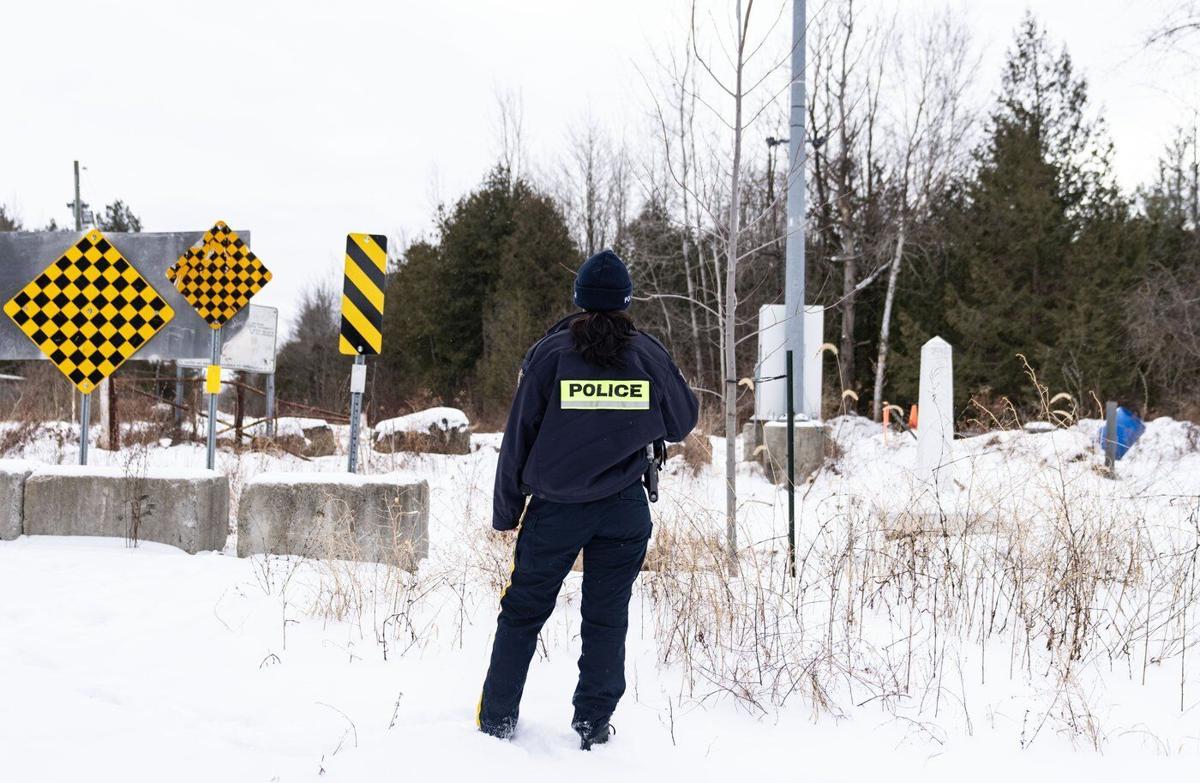
Canadian border officials have confirmed a steady rise in the number of asylum seekers arriving at the St-Bernard-de-Lacolle border crossing, south of Montreal, as thousands of migrants in the United States face the expiration of their protected immigration status under new Trump administration policies.
According to data from the Canada Border Services Agency (CBSA), 1,356 asylum claims were filed at the Quebec border point in March, with 557 additional claims already recorded as of April 6. Officials and advocacy groups warn this trend could intensify as the U.S. revokes Temporary Protected Status (TPS) for over a million migrants, primarily from Haiti, Venezuela, Cuba, and Nicaragua.
“There’s so many people that have been deported since Donald Trump has been in office,” said Frantz André, spokesperson for a Montreal-based migrant support group. “They’re scared. They’re getting letters that their status is revoked—and they’re trying to get out of the U.S. as quickly as possible.”
While the total number of asylum applications nationwide is down by 53% compared to this time last year—5,246 claims so far in 2025 versus 11,118 in early 2024—border officials and police are bracing for a potential new wave as U.S. enforcement ramps up.
The surge coincides with an aggressive rollback of protections in the United States, where President Donald Trump’s administration has confirmed it will revoke TPS status for over half a million migrants effective April 24. This includes individuals who legally entered the U.S. under humanitarian programs and were granted work permits and temporary protection from deportation.
Although the Safe Third Country Agreement between Canada and the U.S. prevents most asylum seekers from crossing the border and claiming refugee status in Canada, there are key exceptions. These include individuals with family in Canada, unaccompanied minors, and those who cross irregularly or remain in hiding before making a claim.
Over the weekend, nine Haitian migrants were intercepted in Franklin, Quebec, after crossing into Canada on foot from Churubusco, New York. Two Canadian citizens of Haitian origin were arrested under the Immigration and Refugee Protection Act for aiding their entry.
Despite these cases, the RCMP reported no significant spike in illegal border crossings.
The increase in asylum claims sparked contrasting reactions from Canada’s federal leaders during the ongoing election campaign:
- Liberal Leader Mark Carney, speaking in Delta, British Columbia, supported stricter enforcement of the Safe Third Country Agreement. “It’s not acceptable that people leave the U.S. to claim asylum in Canada. The possibility of a wave of asylum seekers exists now, and Canada and the United States must work closely to manage this.”
- Conservative Leader Pierre Poilievre, in Edmonton, blamed the Liberals for a “broken” immigration system. “If someone is a true refugee, they should be allowed to stay. But if they’re a fraudster, they will have to go.”
With TPS set to expire in August for hundreds of thousands more Haitians and Venezuelans, experts believe the influx at the border could grow in the coming months. Advocates are calling for clear federal policy coordination and support for refugee claimants.