

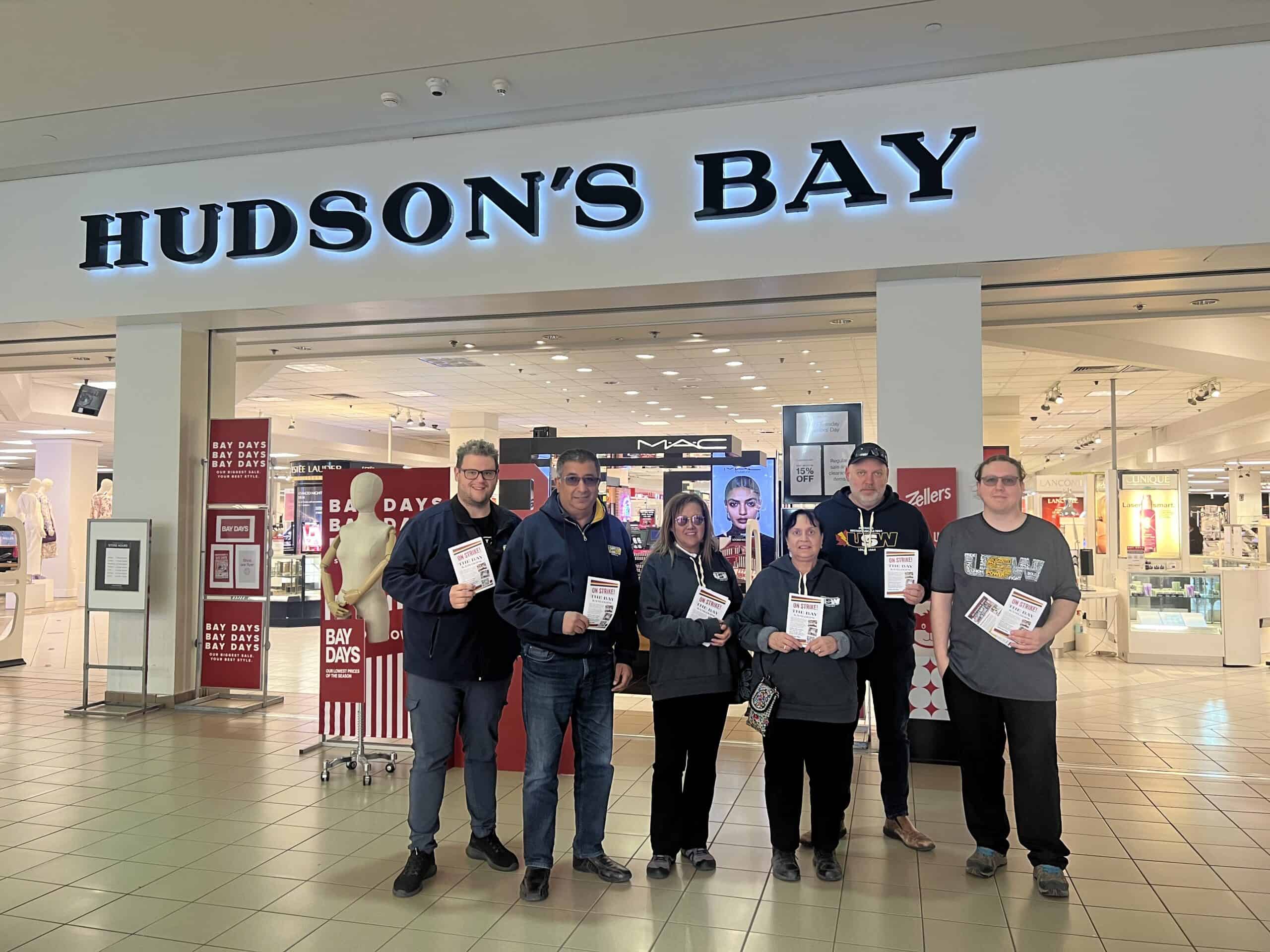
Kevin Grell steps into Hudson’s Bay’s east Toronto fulfillment centre each day with a knot in his chest. For eight years, he’s packed online orders at the Scarborough site, but now, alongside 9,363 colleagues nationwide, he’s staring down an uncertain future. Since the company filed for creditor protection on March 7 and sought to liquidate all 80 Hudson’s Bay stores—plus three Saks Fifth Avenue and 13 Saks Off 5th locations—just 10 days later, dread has replaced the hum of routine.
“It’s heavy now,” says Grell, 61, a union steward and e-commerce processor. “Everybody’s scared, everybody’s uncertain. Bills, mortgages—people don’t know what’s next.” Amid the gloom, workers hustle to fill a flood of orders from Canadians snagging keepsakes from the 355-year-old retailer, all while wondering when their last paycheck might land.
The human cost of Canada’s oldest company teetering on the brink is stark. If financing doesn’t materialize to halt the liquidation, the fallout will ripple through families and communities. “It’s not just a job—it’s a family,” Grell says of the tight-knit crew, now whittled to about 60 from a peak of 400. Layoffs have hit him personally three times in recent years, yet he kept returning for the camaraderie.
Margaret Henry, another e-commerce processor and union steward at the same site since 2012, calls the ordeal “disappointing and embarrassing.” At retirement age, she’s luckier than younger colleagues or those with weaker English skills, who face bleaker prospects. She’s watched the workforce shrink, overtime vanish, and signs of decline multiply—TVs gone from lunchrooms, paper towels scarce. By Black Friday 2023, the warning bells rang louder: sales flopped, and vendor shipments dried up. “I knew they weren’t paying creditors,” she says, a suspicion borne out by court filings revealing a $950-million debt to brands like Chanel and Diesel.
The company blames a perfect storm—slumping consumer spending, U.S.-Canada trade spats, and post-pandemic downtown woes. CEO Liz Rodbell, in a statement last week, leaned on “overwhelming support” from staff and shoppers as fuel to fight for survival, vowing to chase “every possible opportunity” with landlords and stakeholders. Hudson’s Bay declined further comment.
But for workers, the clock’s ticking fast. Liquidation could kick off this week, slashing jobs in days or weeks. Severance? “Bottom of the barrel,” Grell sighs, a sentiment echoed by lawyer Andrew Hatnay, who pegs the savings at $100 million if staff are cut loose without it. Pension fears loom too: while court documents claim the main plan, covering 21,000 members, is funded, a supplemental executive plan and some benefits are millions short.
Henry saw the spiral coming—her friends at Sears Canada endured a year-long unwind before liquidation. She figured Hudson’s Bay had more runway, but with merchandise sell-offs now in motion, time’s running out. Hatnay argues the company waited too long to seek protection, a delay that’s left employees like Grell job-hunting in a tough market warped by tariffs and thrift-conscious shoppers.
Through it all, Grell clings to pride. “It’s been an honour to serve you,” he says to customers, voice thick with emotion. “We’re sad to see you go—and proud we could be part of this.” For now, he and Henry soldier on, packing orders, holding tight to their “family,” and hoping against hope for a lifeline that might never come.