

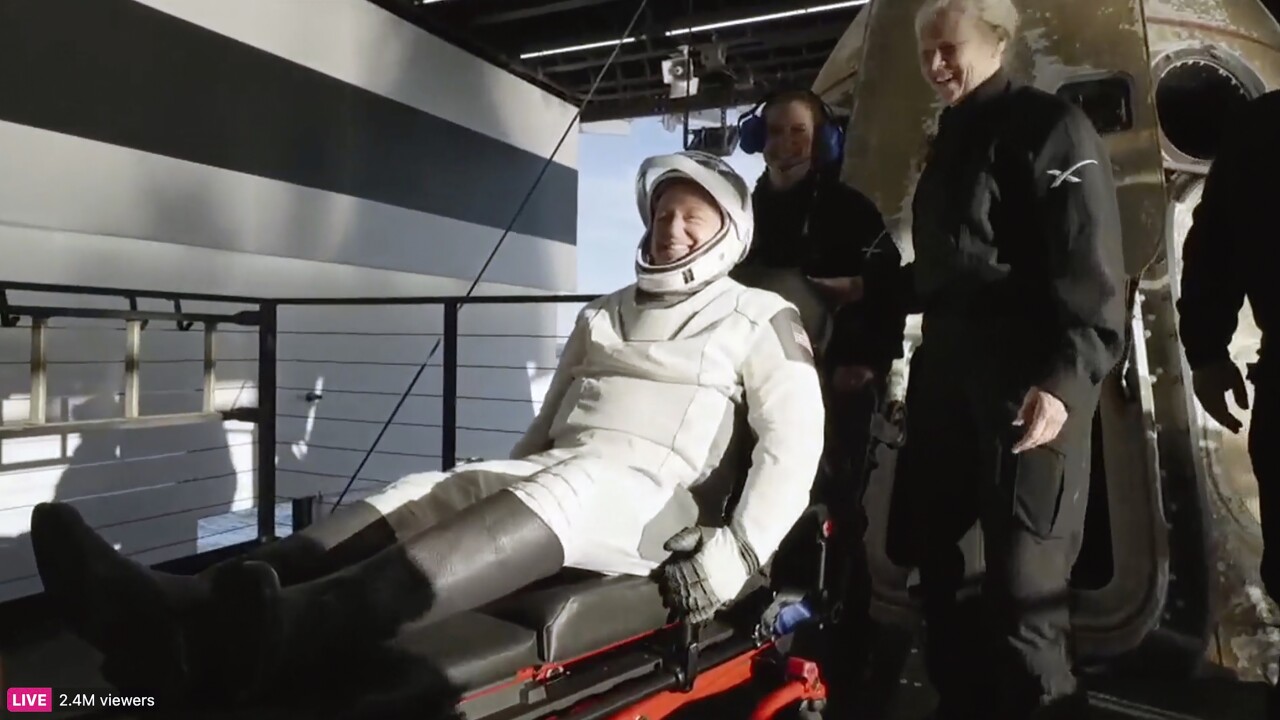
NASA astronauts Suni Williams and Butch Wilmore thought they’d be sipping space coffee for eight days when they docked at the International Space Station in June. Instead, they clocked 286 days up there, finally splashing down off Florida’s coast Tuesday evening in a SpaceX capsule alongside Nick Hague and Russian cosmonaut Aleksandr Gorbunov. Rescue crews scooped them up around 6:30 p.m. ET, stretchers in tow—not for drama, but standard protocol after months in zero-G.
NASA’s been dissecting how space messes with bodies for decades. Without gravity, fluids drift upward, puffing up faces, clogging sinuses, and shrinking leg muscles. Bones shed 1-1.5% density monthly, risking fractures, while muscles waste away faster than on Earth. Astronauts sprout 2-3 inches taller (temporarily), sparking headaches and back pain. Eyeballs flatten, vision blurs, and retinas take a hit. But nine months? Not a dealbreaker—daily two-hour workouts kept Williams and Wilmore’s losses in check.
Landing’s no picnic. Gravity scrambles the inner ear, making walking a wobble-fest, and “baby feet”—softened soles from months off the ground—sting with every step. SpaceX Crew-8’s Matthew Dominick, back from a similar stint, said recovery’s a slog: dizziness hits hard, and even sitting on a chair feels alien for weeks. Scott Kelly’s 340-day trip mutated his DNA, tweaked his immune system, and added new gut bugs—compared to his Earthbound twin, Mark.
It’s not just physical. Frank Rubio, after a record-breaking 371 days, said the mental toll sneaks up. Early disorientation throws off simple tasks, cramped quarters fray nerves, and the 24/7 hum and glow kill circadian rhythms. Sleep? Strapped to a wall, never fully dark or quiet.
Rumors swirled about Williams’ health after pics showed her thinner legs and swollen face—gravity’s doing, not starvation. NASA’s top doc, James Polk, shut that down in November: she’s fine. Williams told NESN her weight’s steady, crediting weight-lifting for leg strength. Post-splashdown, stretchers whisked them for checkups—routine, not red flags. “Been working out nine months,” Williams emailed Live Science. “We feel strong and ready to tackle Earth’s gravity.” After nearly a year aloft, they’re betting on a solid landing.