

A fresh tariff showdown between Canada and the U.S. has erupted, and this time, U.S. President Donald Trump is swinging harder. Unlike his first term’s targeted jabs, these new tariffs—25 per cent on Canadian goods, 10 per cent on energy, plus hits on Mexico and China—spare nothing. Canada’s clapped back with its own counter-tariffs, and the fallout’s set to ripple nationwide, says Colin Mang, an economics professor at McMaster University.
Some industries are in for a rougher ride than others. Heavy manufacturing—think steel, aluminum, and especially autos—tops the hit list. Agriculture, from farmers to food processors, won’t escape the sting either. “Anyone shipping to the U.S. is in for a tough slog,” Mang warned.
But it’s not a total cutoff. “We’re not losing the U.S. as a buyer—they’ll still take our stuff, just less of it, and at steeper prices,” he explained. Past tariffs offer clues: when Trump slapped 25 per cent on steel last time, Canada’s exports tanked 38 per cent in a month—then clawed back. “The U.S. can’t fully swap us out—they don’t have the muscle,” Mang said.
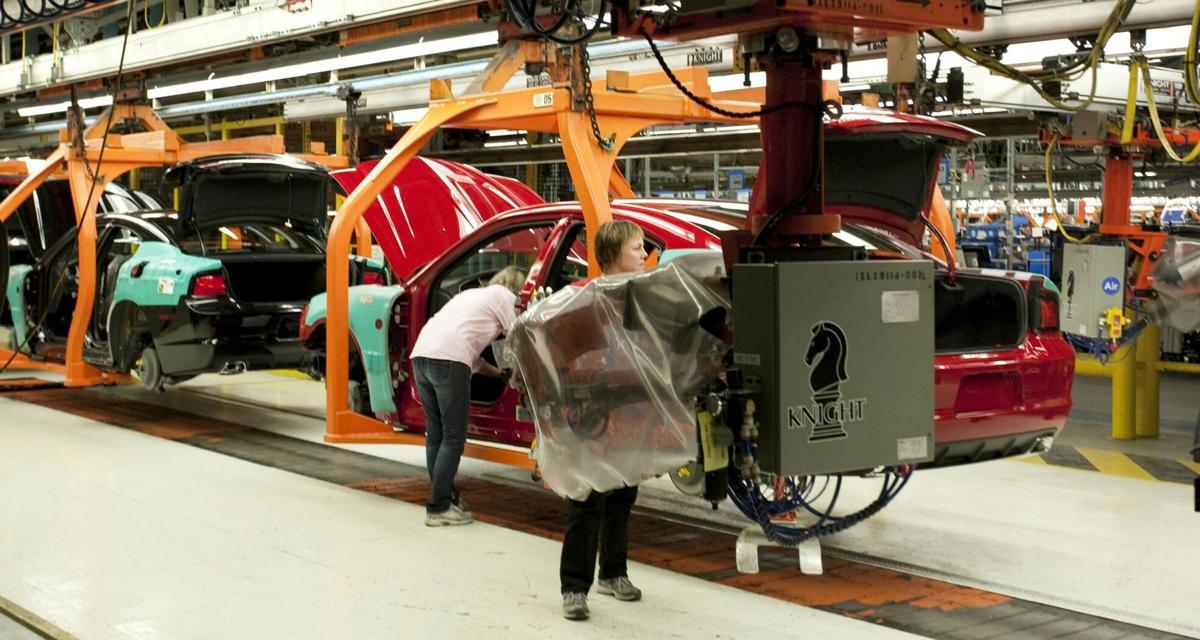
The auto industry’s the wild card. Spared in Trump’s first go-round, it’s a tangled web of parts crisscrossing Canada, Mexico, and the U.S.—sometimes bouncing borders multiple times before a car’s done. Industry voices warn these tariffs could choke production in days. “Autos are uniquely exposed—this is the one to watch,” Mang said. Even U.S.-made cars sold stateside could get pricier, stuffed with tariff-hit Canadian or Mexican bits. “They’re basically taxing themselves—it’s bizarre how linked we are.”
Agriculture’s in the crosshairs too. Western Canada’s wheat and barley flood the U.S., while Ontario grows and imports its own. Greenhouses in southern Ontario ship winter veggies south—stuff the U.S. can’t whip up overnight. “Trade might pivot east-west instead of north-south,” Mang mused. Luxury exports like East Coast seafood could take a bigger beating if U.S. demand dips. Overall, food producers might muddle through, but grocery bills? They’re climbing. “This’ll hit wallets hard on both sides,” he said.
The Grain Growers of Canada peg grain exports to the U.S. at $17 billion. “A 25 per cent tariff’s a 25 per cent grocery tax on Americans,” said executive director Kyle Larkin. “Bread, beer, oatmeal—prices are spiking when affordability’s already a mess.”
Yet Mang sees a silver lining: a chance to juice Canada’s own economy. Interprovincial trade barriers hobble domestic business, but this spat could spark change. “We might lose $100 billion in U.S. exports, but shred those barriers, and we could grow $200 billion at home—more than enough to offset,” he argued. Survivors of this tariff storm could emerge tougher, he reckons.