

International student visa limits spark funding crisis for colleges and universities
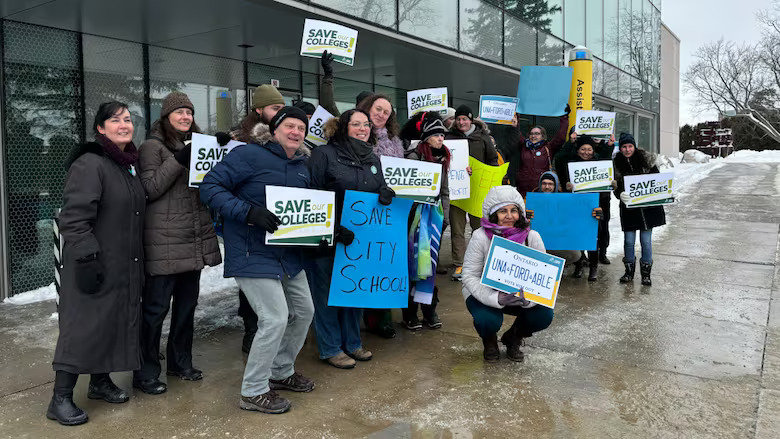
As Ontario’s post-secondary institutions grapple with severe budget shortfalls, program cuts and job losses are mounting across the province. Many educators and policymakers now question why this crisis hasn’t received more attention in the provincial election campaign.
The funding shortfall is largely attributed to the federal government’s cap on international student visas, a decision that has resulted in a 23% drop in international applications to Ontario institutions. Colleges and universities—many of which relied heavily on higher tuition fees from international students—have been forced to slash programs, suspend admissions, and lay off staff.
The impact of funding cuts has been widespread, with multiple institutions announcing major program suspensions:
- Loyalist College: Eliminated 24 programs (30% of its total offerings)
- Centennial College: Suspended 49 programs
- York University: Became the first university to pause admissions to 18 programs
- Northern College: Announced staff and faculty layoffs due to a $6M deficit
Many experts warn that over 1,000 college programs could be cut across Ontario, limiting student choices and weakening the province’s workforce development efforts.
Despite the growing financial strain on post-secondary institutions, some observers argue that political parties have not made this issue a major election priority.
Alex Usher, President of Higher Education Strategy Associates, expressed surprise at the lack of public controversy surrounding college closures.
“I think we’re going to end up with over 1,000 program closures at the college level in this province,” Usher said. “There are going to be a lot fewer choices for Ontario students going forward.”
At a time when education is directly linked to economic growth, many experts, including Brock University professor Louis Volante, argue that Ontario voters should be paying closer attention to this issue.
“The only way you can build innovation in this province is through our post-secondary system,” Volante said.
The issue briefly surfaced in the Ontario leaders’ debate, with Premier Doug Ford stating that his government had increased post-secondary funding by $1.3 billion over three years.
However, Green Party Leader Mike Schreiner argued that this amount wouldn’t even cover the losses from declining international student tuition.
Meanwhile, opposition parties have proposed different funding strategies:
- Liberal Party: Pledged to cap international student enrolment at 10% for each college while increasing provincial funding to reduce reliance on foreign tuition fees.
- NDP & Green Party: Proposed a 20% increase in per-student funding, with future adjustments tied to inflation.
The consequences of post-secondary funding cuts extend beyond education, affecting local economies and workforce development.
Mark Kirkpatrick, President of Loyalist College, highlighted how rural areas will suffer due to limited post-secondary options.
“We’re the engine that drives the skilled workforce. These cuts don’t just hurt colleges—they hurt entire regions,” Kirkpatrick warned.
With early voting underway in Ontario’s winter election, many are questioning whether post-secondary education should be a bigger priority in the campaign discussions.
As colleges continue to ring the alarm over financial instability, students, faculty, and industry leaders are calling for stronger government intervention. Whether post-secondary funding emerges as a decisive election issue remains to be seen, but for many institutions, the crisis is already at their doorstep.