

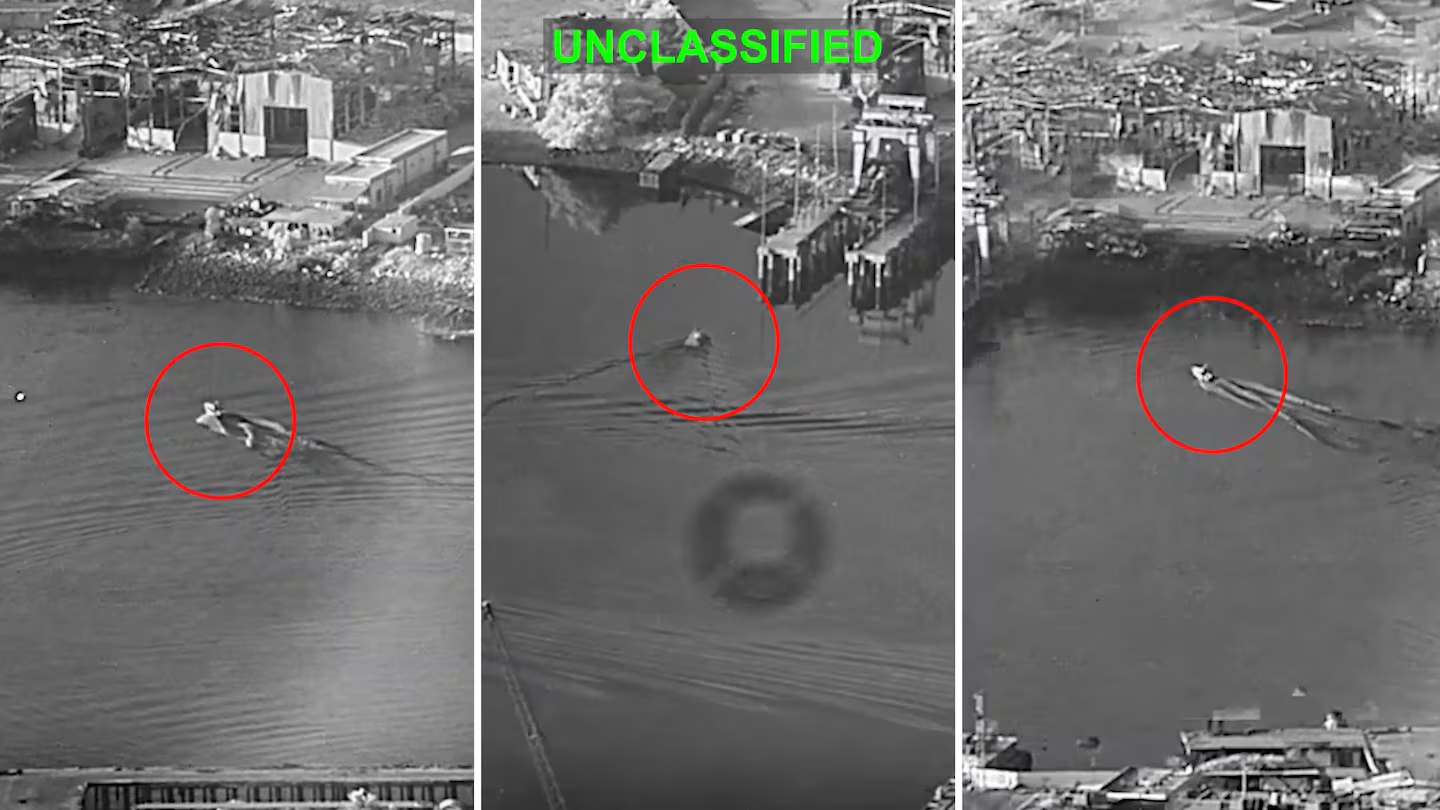
Dubai, United Arab Emirates: Tensions between the United States and Iran have escalated sharply after the U.S. reimposed a naval blockade on Iran and intensified its military operations in response to Iranian attacks on commercial shipping in the Strait of Hormuz, one of the world’s most strategically important energy corridors.
The latest escalation follows the collapse of an interim agreement that had temporarily reduced hostilities and provided a 60-day window for negotiations over Iran’s nuclear program. As diplomatic efforts stalled, renewed attacks on vessels transiting the Strait of Hormuz triggered a fresh cycle of military action by both sides.
The United States launched a new series of airstrikes targeting multiple military sites across Iran, including an army barracks in the southeastern province of Sistan and Baluchestan. Iranian authorities reported that at least seven soldiers were killed and more than 260 people were injured during the latest wave of attacks. Additional casualties have also been reported from recent military operations.
Iranian military officials condemned the strikes and vowed a decisive response, while the country’s Revolutionary Guard warned that if Iran’s energy exports are blocked, no other country in the region should expect to export oil and natural gas without disruption.
Missile alerts were issued in Bahrain and Kuwait after Iranian missile launches, while Jordan reported intercepting several incoming missiles. Iran stated that its operations targeted countries hosting U.S. military forces in the region.
Speaking during a television interview, U.S. President Donald Trump warned Iran that further military action would continue unless negotiations resume. He indicated that additional strikes could target critical infrastructure, including bridges and power facilities, if a diplomatic agreement is not reached.
“You better make a deal, or you’re not going to have anything left,” Trump said, urging Tehran to return to negotiations.
Iran’s Ambassador to the United Nations, Amir Saeid Iravani, accused the United States of escalating the conflict, arguing that Washington was acting as the aggressor rather than in self-defence.
The Strait of Hormuz remains at the centre of the crisis. The narrow waterway carries approximately one-fifth of the world’s oil and natural gas shipments during normal times, making any disruption a major concern for global energy markets. Since the conflict intensified, uncertainty surrounding shipping through the Strait has contributed to higher oil prices and renewed concerns about global supply chains.
International benchmark Brent crude oil has risen significantly since the conflict began, reflecting growing fears over energy security and transportation through the Gulf. While prices remain below the highest levels reached earlier in the conflict, continued instability has increased pressure on governments and businesses worldwide.
The United States had previously lifted its naval blockade following the interim agreement but reinstated it after negotiations broke down. Although President Trump initially proposed imposing transit fees on ships using the Strait of Hormuz, the proposal was later withdrawn following discussions with U.S. allies in the Gulf region.
Diplomatic efforts continue behind the scenes, with regional mediators working to bring both countries back to the negotiating table. However, with military operations intensifying and both sides exchanging threats, concerns are growing that the Middle East could once again face a broader regional conflict with significant global economic and security consequences.