

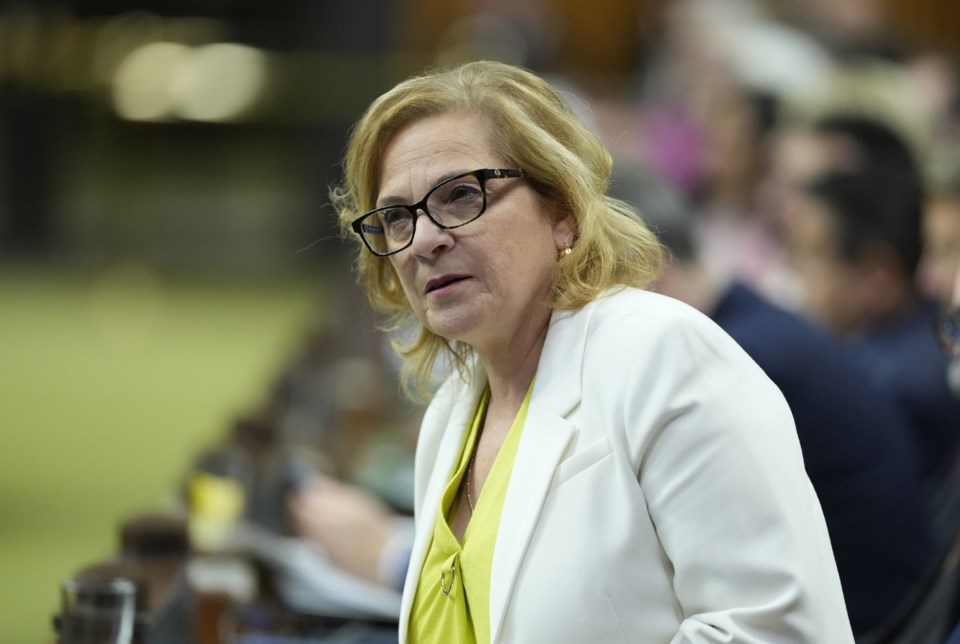
Immigration Minister Lena Diab says the government’s new border security legislation intentionally leaves the term “public interest” undefined — a move meant to give Ottawa flexibility to respond to unpredictable crises.
Speaking before the House of Commons immigration committee on Thursday, Diab explained that the undefined clause in Bill C-12 allows her department to pause or revoke immigration applications during unforeseen national emergencies. “It’s intentionally not defined,” she said, noting that the government needed adaptable tools to respond to events such as pandemics or national security threats.
When pressed for specifics on when such powers could be used, Diab said they would apply only in exceptional circumstances — for instance, during a major health crisis like COVID-19, when immigration processing was severely disrupted.
Tara Lang, director general of integrity policy and programs at Immigration, Refugees and Citizenship Canada, added that the authority could also be used positively, such as extending visas for critical workers, like healthcare staff, during emergencies.
Conservative immigration critic Michelle Rempel Garner questioned whether the bill includes sufficient safeguards against government overreach. Diab responded that any use of these new powers would require full cabinet approval, emphasizing that oversight remains built into the process.

The government says the open-ended language in Bill C-12 is necessary to maintain national readiness — though critics warn that flexibility must be balanced with clear limits to protect transparency and accountability.