

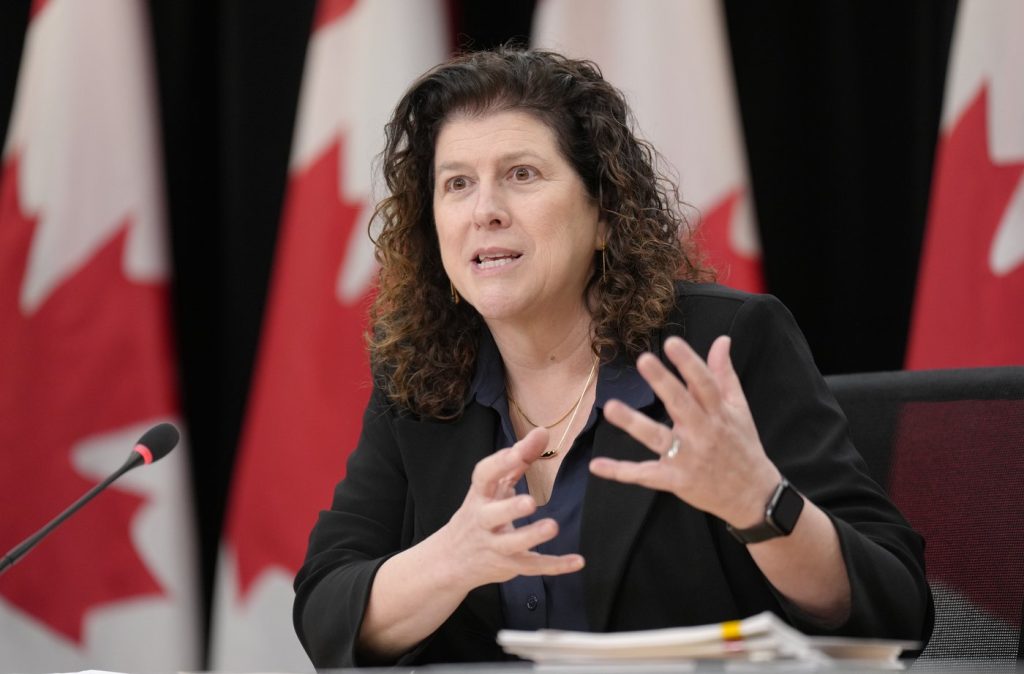
OTTAWA — A series of new audit reports released by Canada’s Auditor General has raised significant concerns over the federal government’s handling of key programs, pointing to gaps in oversight, delays in service delivery, and inefficiencies in public health preparedness that could have far-reaching consequences.
One of the most striking findings relates to funding provided to First Nations, where more than $6.5 billion was distributed through long-term grants without consistent monitoring or evaluation. The audit found that the department responsible failed to ensure recipients remained eligible for continued funding and did not adequately assess whether the financial support was achieving its intended goal of reducing inequalities. In many cases, required financial reporting was incomplete or delayed, leaving the government without a clear picture of how funds were being used or whether they were delivering meaningful outcomes.
Concerns were also raised about accessibility within the federal public service, where employees with disabilities continue to face long wait times for accommodation requests. The report found that response times varied widely across departments, with some taking nearly a year to process requests. The lack of standardized tracking systems and inconsistent data collection practices further compounded the issue, highlighting systemic inefficiencies in supporting an inclusive workplace.
In the area of public health, the audit revealed that the Public Health Agency of Canada significantly overestimated its needs when procuring vaccines during the avian influenza outbreak. As a result, 95 per cent of the purchased doses expired unused, representing a substantial waste of public resources. The report noted that initial procurement decisions were made without proper analysis, raising questions about planning and accountability during health emergencies.
The Auditor General also warned that Canada is falling behind in its efforts to map flood-prone areas, with current initiatives unlikely to meet the 2028 completion target. The report highlighted that existing flood maps do not adequately account for the impacts of climate change, leaving communities vulnerable and underprepared for future risks. The lack of coordination and incomplete mapping of high-risk zones further underscores the urgency for more robust and forward-looking planning.
Adding to these concerns, the federal government’s climate strategy was found to suffer from weak oversight and a lack of transparency. Despite initial commitments, progress has been slow, with targets pushed back by more than a decade and little public reporting on outcomes. Key departments were noted to be lagging in efforts to improve climate resilience, raising concerns about the protection of critical infrastructure in the face of increasing environmental challenges.
Taken together, the findings from these audits paint a troubling picture of gaps in governance and accountability across multiple federal programs. While the reports offer recommendations aimed at strengthening oversight and improving performance, they also serve as a stark reminder of the need for more effective management of public funds and greater responsiveness to the needs of Canadians.
The federal government is expected to respond to the Auditor General’s recommendations in the coming months, as pressure mounts to address the identified shortcomings and restore confidence in the administration of key national programs.