

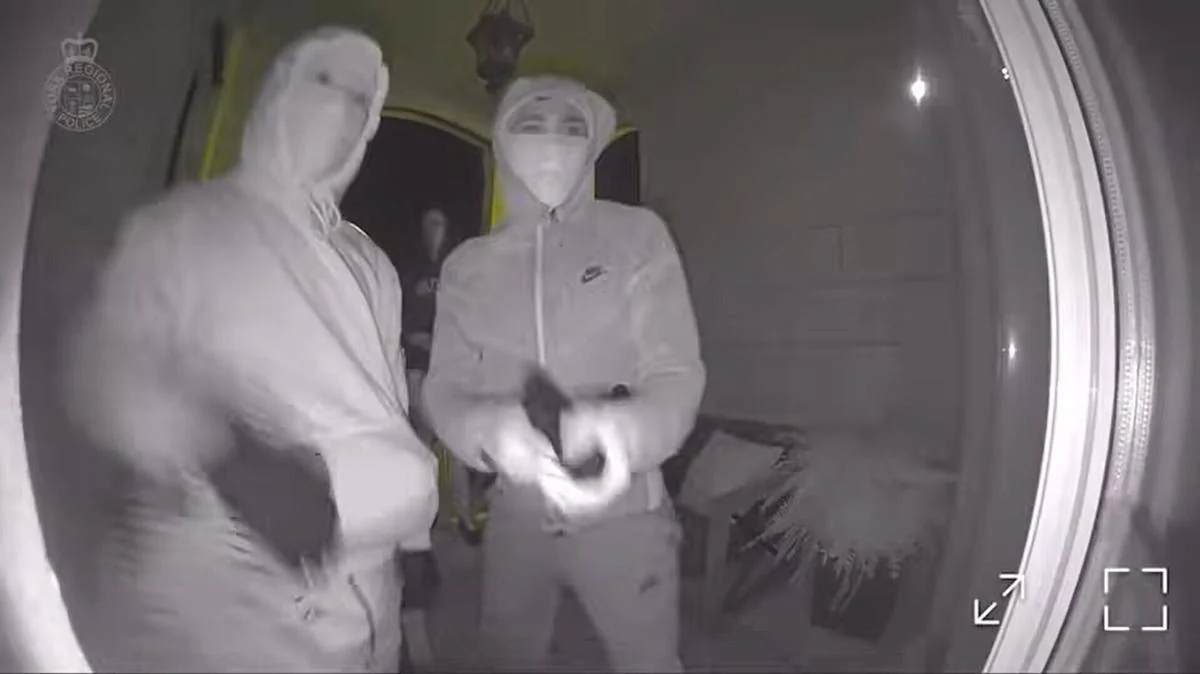
November 3, 2026 — As home invasions rise in parts of Ontario, cybersecurity experts are urging residents to check the security of their internet-connected cameras, doorbells and locks.
According to Toronto police figures cited in the report, the city has recorded 112 home invasions so far in 2026, an increase of 47.4 per cent over the same period last year. Experts caution that these figures do not establish a connection between compromised smart devices and the increase in incidents.
However, poorly protected devices can expose household routines, camera footage and other sensitive information that criminals could misuse.
Li Yang, an assistant professor of networking and IT security at Ontario Tech University, said unsecured devices may create opportunities for criminals to identify and target a home. Compromised cameras, for example, could reveal when residents are away, potential entry points and the location of valuables.
Cybersecurity specialists identified several common mistakes homeowners should address.
Reusing passwords and skipping two-factor authentication
A password used across several websites can leave a security account vulnerable if another service suffers a data breach. Experts recommend creating a strong, unique password for each account and enabling two-factor authentication wherever available.
Assuming new devices are already secure
Abbas Yazdinejad, a cybersecurity professor at the University of Regina, warned against installing cameras, locks or doorbells without reviewing their settings. Homeowners should change default credentials, enable security updates and check who has access.
Overlooking router security
Experts recommend protecting both the router’s administration settings and the home Wi-Fi network with strong passwords, while keeping router software updated. Where supported, a separate, isolated network for smart devices can help limit their access to household computers and phones.
Leaving old users and digital keys active
Homeowners should periodically review shared camera access and smart-lock permissions. Digital keys issued to former contractors, visitors or others who no longer need entry should be removed. Login alerts can also help residents spot unfamiliar account activity.
Ignoring updates and privacy settings
Experts advise choosing manufacturers that provide ongoing security updates and enabling automatic updates for devices and their apps. Homeowners should also review access to cloud recordings and consider end-to-end encryption where offered.
Residents are encouraged to learn how to save camera recordings and account access logs so that useful evidence can be preserved following an incident.
The experts stressed that digital safeguards should work alongside physical home security. A compromised device does not automatically result in a break-in, but securing connected equipment can reduce unnecessary exposure and help protect household privacy.