

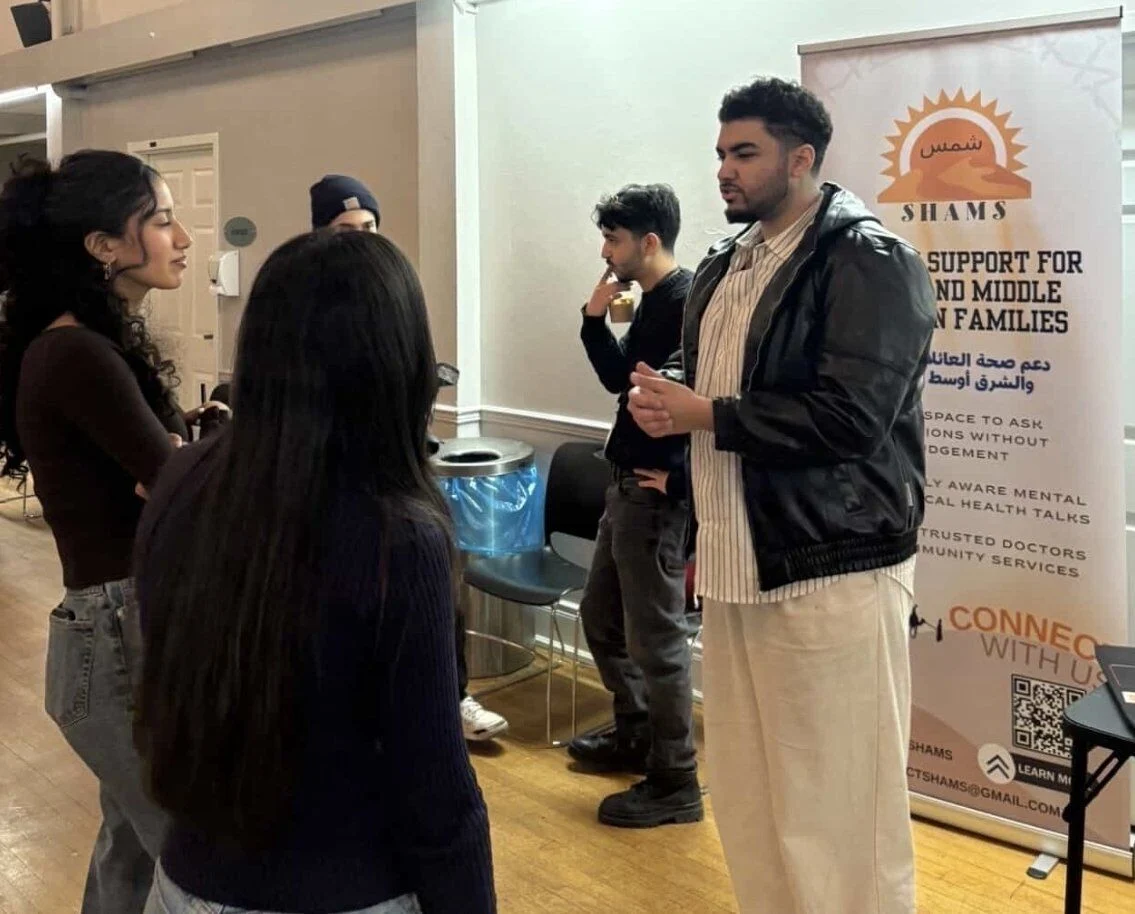
Mississauga, Ontario: Access to culturally appropriate mental health care remains a significant challenge for many individuals from Middle Eastern and North African (MENA) communities across Canada. To address this growing concern, Mississauga-based Project SHAMS is organizing a community convention on July 18, 2026, at the University of Toronto Mississauga, bringing together community members, mental health professionals, researchers, and service providers to promote culturally responsive care and improve access to mental health resources.
Project SHAMS is a grassroots community organization dedicated to creating a more inclusive mental health system that recognizes the cultural values, languages, traditions, and lived experiences of MENA communities. The event aims to connect individuals with professionals who understand their unique cultural backgrounds while encouraging open discussions about mental health and reducing the stigma often associated with seeking support.
Although Peel Region has introduced several mental health initiatives to improve equity and accessibility, advocates believe there is still a significant gap in services specifically designed for MENA communities. With tens of thousands of Arab and West Asian residents living in Peel Region, culturally tailored mental health support continues to be limited despite the region’s rich diversity.
Research has increasingly highlighted the need for culturally sensitive mental health services. Recent Canadian studies have found that many Arab immigrants experience declining mental health after settling in Canada, citing language barriers, cultural differences, immigration experiences, racism, and social isolation as major contributing factors. Experts emphasize that treatment becomes more effective when healthcare providers understand a patient’s language, cultural values, religious beliefs, and migration experiences.
Registered psychotherapist and developmental psychologist Noor Al Assadi noted that communication extends far beyond language. Different Arabic dialects, cultural expressions, and social customs can influence how individuals describe emotional distress, making culturally informed professionals essential for accurate assessment and treatment. She also pointed out that there are very few Arabic-speaking developmental psychologists in Ontario who possess both professional expertise and deep cultural understanding of MENA communities.
Project SHAMS founder Mahmoud Noweir said the inspiration for the organization came from his own family’s experience after immigrating to Canada. As a teenager, he often served as both translator and emotional support for his mother during medical appointments because language barriers made communication difficult. Over time, he realized that many newcomer families faced similar obstacles, including limited awareness of available services, cultural stigma surrounding mental health, and difficulty finding trusted professionals who understood their backgrounds.
Noweir believes culturally relevant healthcare is not only about increasing the availability of services but also ensuring better representation of MENA communities in Canadian health research. He explained that limited research on Middle Eastern and North African populations means healthcare systems often rely on data that may not fully reflect the cultural, social, dietary, genetic, and immigration experiences of these communities. As a result, many individuals feel misunderstood or underrepresented, leading some to delay or avoid seeking mental health support altogether.
To help address these gaps, Project SHAMS actively encourages MENA community members to participate in Canadian mental health research, conducts community-based studies, and collaborates with researchers working in the fields of health equity, immigration, youth wellbeing, and culturally responsive healthcare.
The organization is also calling on municipalities, healthcare institutions, and community agencies across Canada to build stronger partnerships with grassroots organizations that serve diverse communities. According to Project SHAMS, collaboration between governments, healthcare providers, researchers, and community organizations is essential to developing a more inclusive mental health system where every individual feels respected, understood, and supported regardless of their cultural background.