

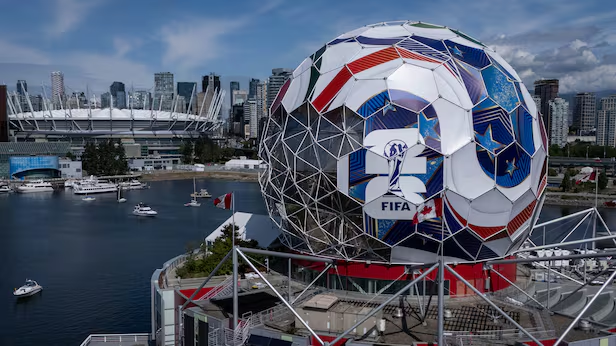
Toronto and Vancouver Supporters Face High Costs as World Cup Becomes Increasingly Expensive for Ordinary Families
TORONTO – As excitement builds across Canada ahead of the FIFA World Cup 2026, many soccer fans are discovering that attending a match in person may remain only a dream due to soaring ticket prices.
New data comparing ticket resale prices and regional incomes across the 16 host cities in Canada, the United States and Mexico suggests that many local residents would need to spend weeks — and in some cases months — of disposable income simply to secure a seat at a World Cup match.
While the tournament promises to be the biggest sporting event ever hosted in Canada, critics argue that the rising cost of tickets is turning the World Cup into an increasingly exclusive event accessible primarily to wealthy fans, corporate clients and international visitors.
Toronto ranks among the least affordable host cities for local residents. Although ticket prices are somewhat lower than those seen in several major American markets, Ontario’s average income levels mean many residents still face significant financial barriers to attending matches.
Vancouver fares slightly better, with lower resale ticket prices helping improve affordability, but many games remain out of reach for average families.
The sharp rise in ticket prices has become particularly evident when compared with previous FIFA World Cups.
For the 2026 World Cup Final at MetLife Stadium in New Jersey, official Category 4 tickets — traditionally the most affordable seats available — were initially priced at approximately US$2,030 following the tournament draw. Even after adjusting for inflation, that figure is nearly nine times higher than comparable seats available at the 2022 World Cup.
Premium ticket categories have reached unprecedented levels. FIFA’s Category 1 Final tickets were originally listed at US$8,680 before increasing to nearly US$11,000 earlier this year. On the resale market, some tickets have reportedly been listed for thousands of dollars, while premium hospitality packages can cost substantially more.
FIFA President Gianni Infantino has defended the pricing strategy, arguing that dynamic pricing allows FIFA to capture revenue that would otherwise be lost to ticket scalpers and unauthorized resellers.
FIFA has also introduced a limited number of lower-cost tickets, with approximately US$60 seats allocated for certain matches. However, the supply remains extremely limited compared with overall demand.
In Toronto, resale prices for group-stage matches are already reaching several hundred dollars per ticket. Fans hoping to watch Canada men’s national soccer team in action face even steeper prices, with many tickets approaching or exceeding $1,000.
Vancouver presents a similar picture. While some matches involving lower-profile teams remain comparatively affordable, premium fixtures and knockout-stage games are commanding prices well above $1,300 on secondary markets.
The situation has been further complicated by Ontario’s ticket resale regulations. Earlier this year, FIFA removed Toronto match tickets from its official resale platform after provincial legislation limiting ticket markups came into effect. Ontario law restricts ticket resales above face value, creating a different resale environment than many American host cities.
Economic analysts estimate that World Cup ticket sales could generate as much as US$15 billion in revenue for FIFA, making the 2026 tournament potentially the most financially successful World Cup in history.
The debate has prompted growing discussion about whether residents of host cities should receive greater access to affordable tickets, particularly given the significant public investment made by municipal, provincial and federal governments to support the tournament.
Canada will host several matches in Toronto and Vancouver when the FIFA World Cup kicks off on June 11, 2026. While millions are expected to participate through fan festivals, community celebrations and television broadcasts, many local supporters may ultimately find that watching from home remains the most affordable way to experience the world’s biggest sporting event.
As anticipation continues to build, one question remains at the centre of public debate: should the world’s most popular sporting event also be accessible to the ordinary fans who help make it possible?