

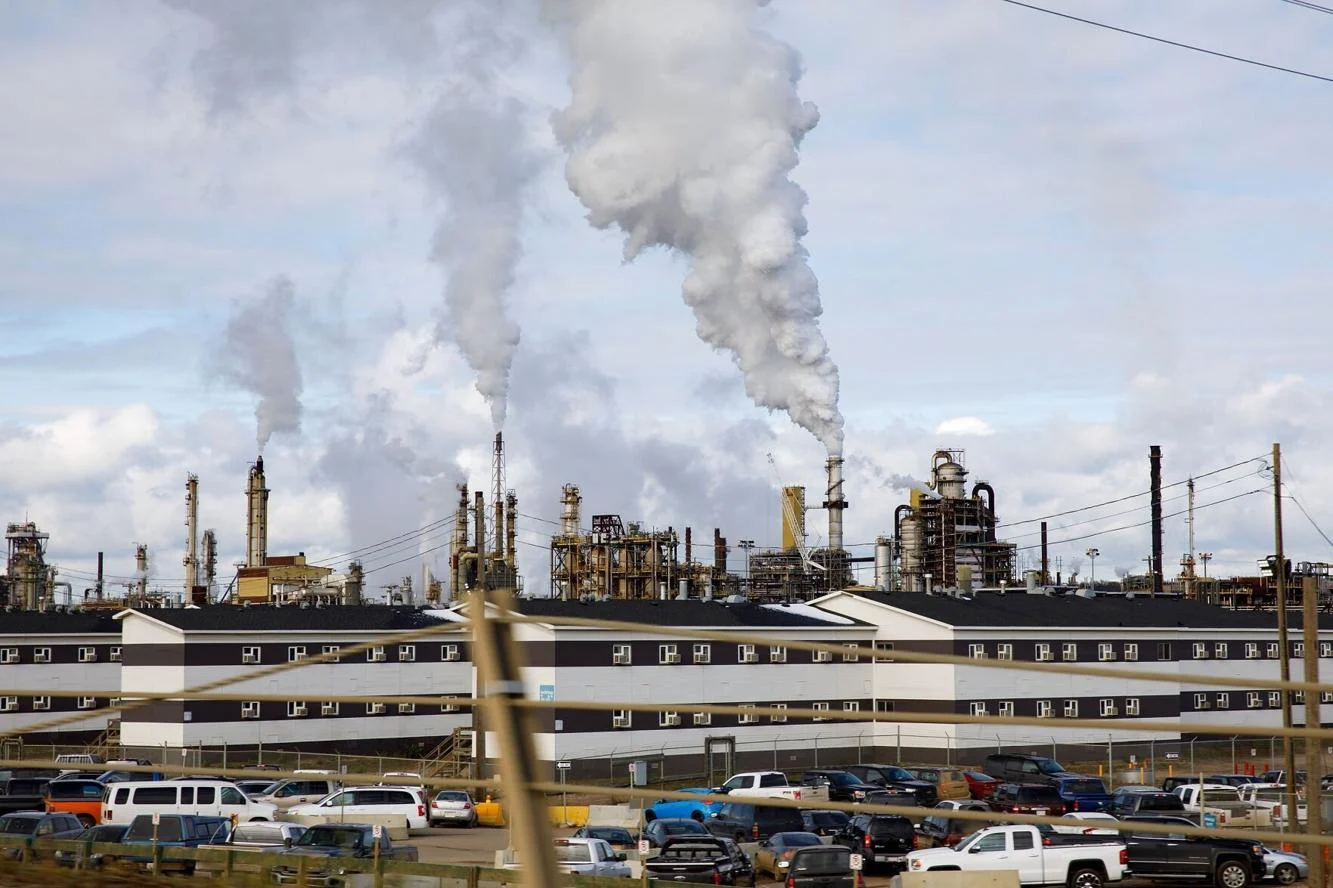
Recent developments in Venezuela following U.S. intervention and the potential reopening of Venezuelan oil exports are prompting renewed debate about their implications for Canada’s oil industry and domestic fuel prices.
Energy analysts suggest that a return of Venezuelan heavy crude to U.S. markets could introduce increased competition for Canadian oil, particularly in refineries that are designed to process heavy crude. This scenario could place downward pressure on oil prices, potentially leading to lower gasoline prices for consumers in the near term.
Canada currently exports the majority of its crude oil production to the United States, making it highly dependent on a single market. Any significant shift in U.S. sourcing—especially the re-entry of Venezuelan oil—could affect Canadian producers by reducing demand, compressing margins, and discouraging new investment in the sector.
While cheaper oil could translate into short-term relief for consumers at the pump, industry observers warn of broader economic consequences. A prolonged decline in oil prices could weaken Canada’s energy sector, reduce government revenues, impact employment, and put pressure on the Canadian dollar.
Other experts, however, caution that Venezuela is unlikely to rapidly increase oil production due to infrastructure challenges, limited investment appetite, and political instability. Any meaningful rise in output is expected to take years rather than months, limiting immediate market disruption. In addition, most Venezuelan oil would likely flow to U.S. Gulf Coast refineries, while Canadian oil predominantly serves the U.S. Midwest.
Despite differing outlooks on timing and impact, there is broad agreement that Canada’s long-term energy security depends on diversification. Reducing reliance on a single export market and expanding access to international buyers—particularly in Asia—would help insulate the industry from geopolitical shifts and external shocks.
As global energy dynamics continue to evolve, Canada faces a strategic choice: adapt by improving competitiveness and expanding market access, or risk greater exposure to international developments beyond its control.