

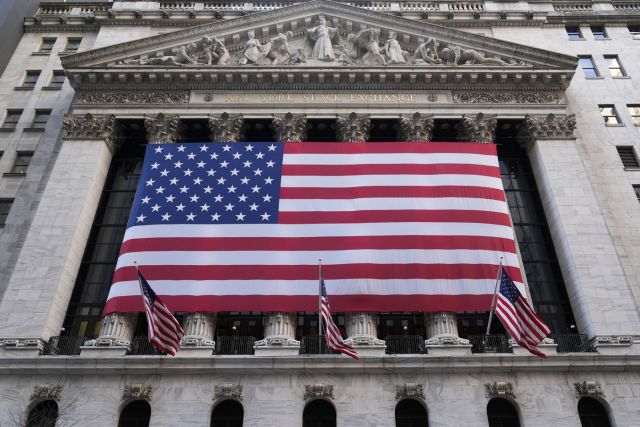
Wall Street experienced a steep downturn on Thursday as uncertainty surrounding President Donald Trump’s tariff policies and a slump in artificial intelligence stocks drove significant losses. The S&P 500 dropped 1.8%, erasing gains from a modest rebound the previous day, while the Dow Jones Industrial Average fell 427 points, a 1% decline. The Nasdaq composite, heavily weighted with technology firms, shed 2.6%, closing more than 10% below its December record.
The sell-off persisted despite Trump’s announcement of a one-month reprieve from 25% tariffs on numerous goods from Mexico and Canada—a contrast to the market uplift seen Wednesday after a similar delay for automakers. Analysts suggest these intermittent exemptions fuel speculation that Trump may wield tariffs as a negotiating lever rather than a fixed policy, potentially averting a broader trade war that could stifle economic growth and elevate inflation. Yet, with other tariffs set for April 2 and Trump’s reversal of Monday’s hardline stance, the erratic shifts continue to unsettle investors. “The exemptions fail to dispel the pervasive uncertainty,” noted Yung-Yu Ma, chief investment officer at BMO Wealth Management, highlighting persistent caution among businesses.
Compounding the market’s woes, prominent AI firms faltered. Nvidia, a linchpin of the AI surge, declined 5.7%, and Broadcom fell 6.3% ahead of its earnings release. Marvell Technology plummeted 19.8%, despite exceeding quarterly forecasts, as investors deemed its projected 60% revenue growth insufficient against lofty expectations. These declines reflect growing skepticism about AI stock valuations—epitomized by Nvidia’s 820% rise from 2023 to 2024—and competition from Chinese firms like DeepSeek, which challenge reliance on high-cost chips. Retail signals also darkened the outlook, with Macy’s and Victoria’s Secret issuing disappointing 2025 forecasts, dragging their shares down 0.7% and 8.2%, respectively. Globally, European markets were mixed after an anticipated ECB rate cut, while Asian stocks rose, bolstered by China’s defiance of U.S. tariff pressures.