

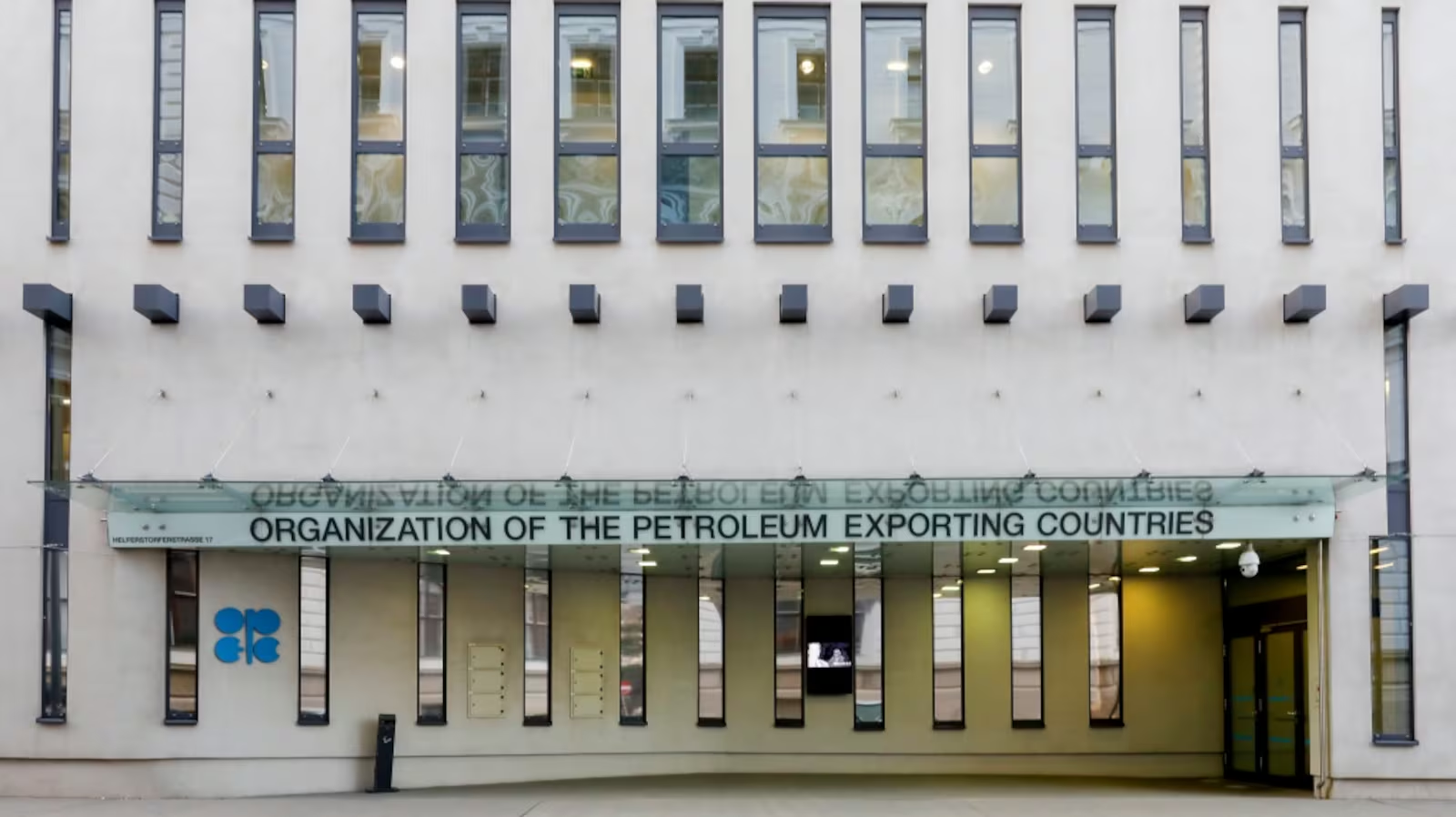
United Arab Emirates has announced it will officially leave OPEC and the wider OPEC+ alliance effective May 1, marking a significant shift in global energy politics.
The decision ends the UAE’s long membership in the oil cartel, which dates back to 1967 through Abu Dhabi and continued after the federation was formed in 1971.
In a statement carried by state media, the UAE said the move reflects its long-term strategic and economic vision, its changing energy profile and increased investment in domestic production capacity. Officials said the country remains committed to being a reliable and responsible supplier to world markets.
The government added that after leaving OPEC, it plans to increase production gradually and in line with market demand rather than under cartel-imposed quotas.
The departure has been widely speculated for months as tensions grew between the UAE and Saudi Arabia, traditionally OPEC’s dominant force. Relations between the two Gulf powers have cooled over production limits, competition for foreign investment and differing regional priorities.
Saudi Arabia has long used OPEC to help influence global oil prices, but the group’s power has weakened in recent years as production from countries such as the United States has expanded.
The UAE’s exit could have major implications for oil markets already dealing with instability linked to Middle East conflict, shipping disruptions and supply concerns. Traders and governments will now be watching whether other producers reconsider their role in OPEC and how Saudi Arabia responds to one of the most important departures in the organization’s history.