

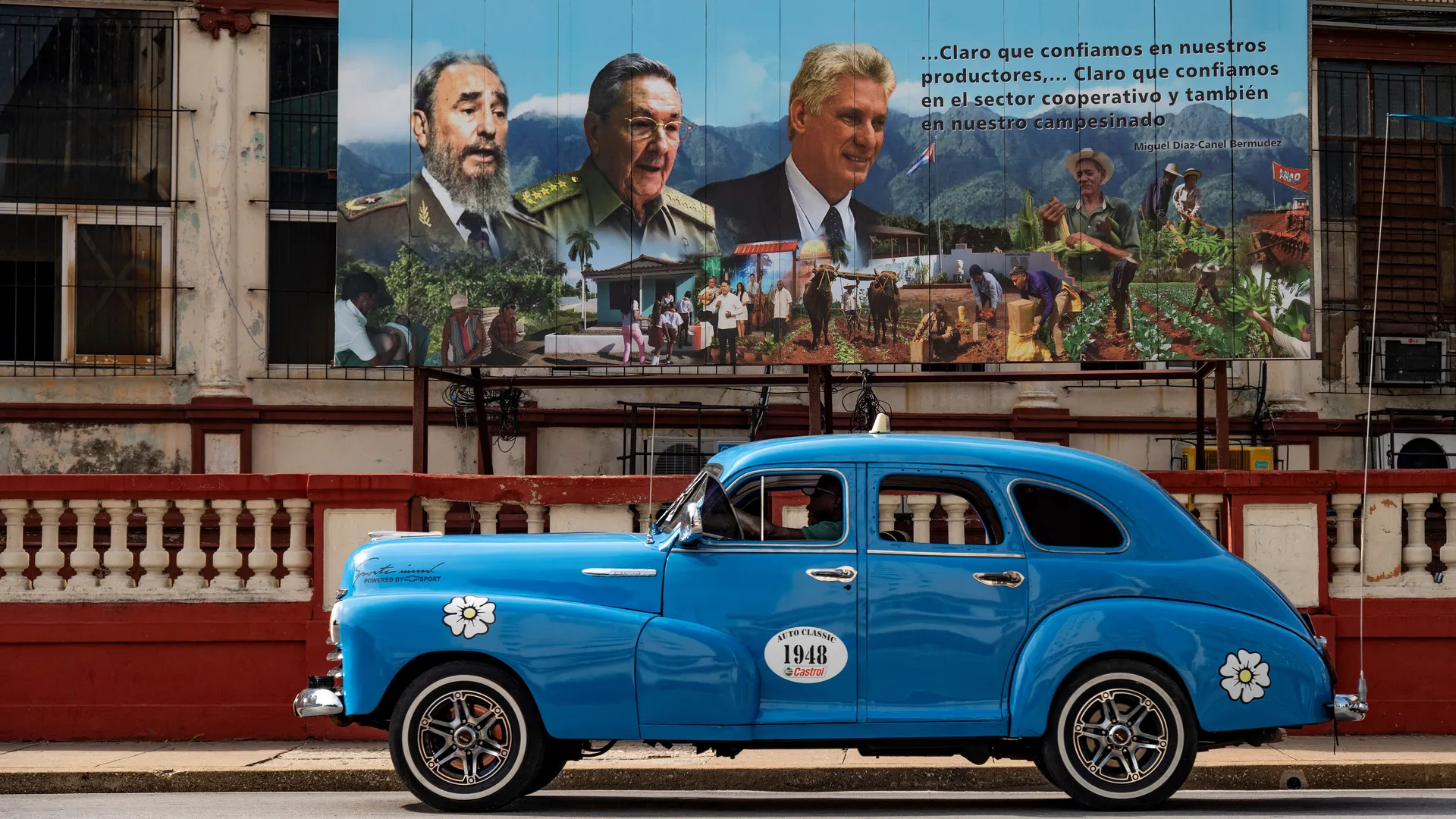
Comments by Donald Trump about potentially seizing control of Cuba have sparked debate among analysts about what could happen if the island’s government were destabilized.
Experts say that even if the current leadership under Miguel Díaz‑Canel were removed or weakened, the most likely outcome might still be the return of another member of the powerful Castro family to leadership.
Cuba facing severe crisis
Cuba is currently experiencing a deep energy crisis caused by fuel shortages and a tightening U.S. economic blockade. The shortage recently led to a nationwide blackout and sparked protests across the island.
The crisis worsened after the disruption of oil supplies from Venezuela following the capture of Venezuelan leader Nicolás Maduro during a U.S. operation.
Trump has also threatened tariffs on countries that provide fuel shipments to Cuba, further tightening the island’s energy supply.
Possibility of leadership change
Analysts say the combination of economic hardship, fuel shortages and protests could create conditions for political change in Havana.
However, many Cubans remain loyal to the revolutionary legacy established by Fidel Castro and later led by his brother Raúl Castro.
Because of that legacy, any transition could still involve someone from the Castro family taking power.
Castro family members seen as possible successors
Several members of the Castro family are considered potential successors if leadership changes occur.
One candidate is Raúl Guillermo Rodríguez Castro, a colonel in Cuba’s security services who previously served as his grandfather’s bodyguard. Though he has limited political experience, analysts say his strong connections to Cuba’s ruling elite could make him acceptable to multiple factions.
Another possible figure is Oscar Pérez‑Oliva Fraga, a great-nephew of Fidel and Raúl Castro who currently serves as deputy prime minister and minister of foreign trade and investment. He is viewed as a technocrat with ties to Cuba’s economic reform efforts.
A third potential contender is Alejandro Castro Espín, the son of Raúl Castro and former head of Cuban intelligence. He played a key role in negotiations that led to the restoration of diplomatic relations between Cuba and the United States during the Obama administration.
U.S. diplomacy and secret contacts
Reports also indicate that Marco Rubio has held private discussions with Raúl Guillermo Rodríguez Castro about the future of the island.
Analysts say that if Washington were to push for leadership change in Cuba, it might keep parts of the existing government structure intact — similar to approaches used in other countries — rather than attempt a complete political overhaul.
For now, Cuba’s government remains in power, but the ongoing economic crisis and geopolitical tensions have raised new questions about the island’s political future.