

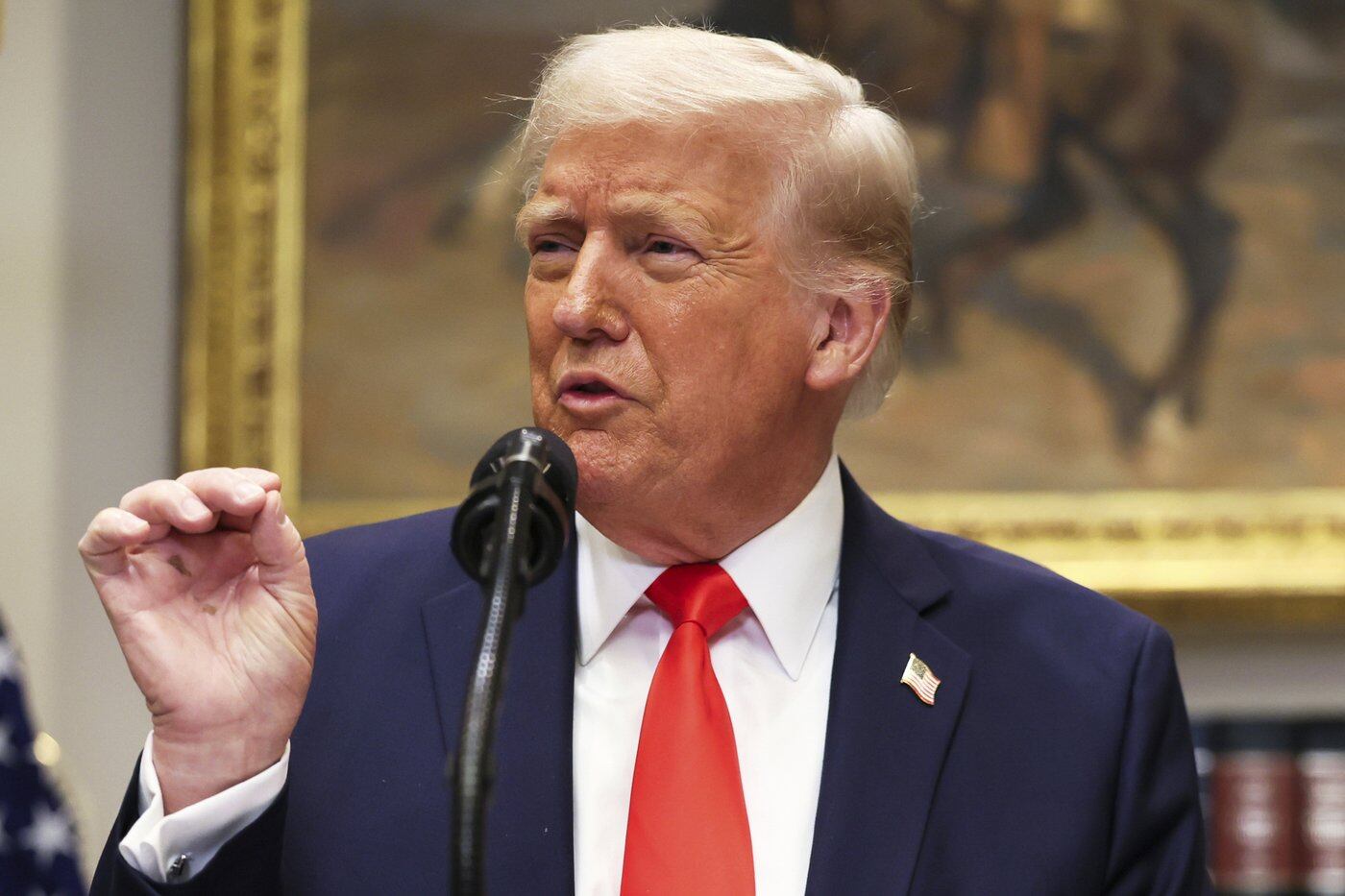
In a major escalation of the U.S.-China trade conflict, the White House has announced that Chinese imports will now face tariffs of up to 245%, following retaliatory measures from Beijing. This marks a sharp increase from the previous 145% tariff rate, as outlined in a newly released fact sheet by the U.S. administration.
The hike, part of President Donald Trump’s “Fair and Reciprocal Plan”, aims to counter what the administration calls non-reciprocal trade practices and long-standing trade deficits with key partners, most notably China.
“These reciprocal tariffs are about protecting American workers, our economy, and our national security,” the fact sheet said. “President Trump has made it clear that the United States will no longer tolerate unfair trade practices that disadvantage American businesses.”
Under the policy, a baseline 10% tariff remains applicable on imports from all countries, but nations with large trade imbalances with the U.S. have been subject to significantly higher, individualized tariffs.
While more than 75 countries have initiated discussions with the U.S. seeking new trade agreements—leading to a temporary 90-day pause on higher tariffs—China is notably excluded from that pause due to its retaliatory actions, according to the White House.
The decision has already sent shockwaves through global financial markets, triggering significant sell-offs in Asia and Europe, and contributing to downward pressure on U.S. equities. Economists warn that the prolonged tariff conflict could further drive global inflation and slow economic growth across multiple sectors.
Trump, now in his second term, has doubled down on his strategy of “tariff reciprocity,” asserting that the U.S. will match or exceed tariffs imposed by other countries, including India and other major economies. The move is designed to pressure countries into renegotiating trade terms more favorable to U.S. interests.
As the U.S. gears up for further negotiations, the implications for consumers, manufacturers, and exporters on both sides of the Pacific remain uncertain.
The White House has not indicated when, or if, the new tariffs on China might be reduced or lifted, signaling that the trade battle between the world’s two largest economies is far from over.