

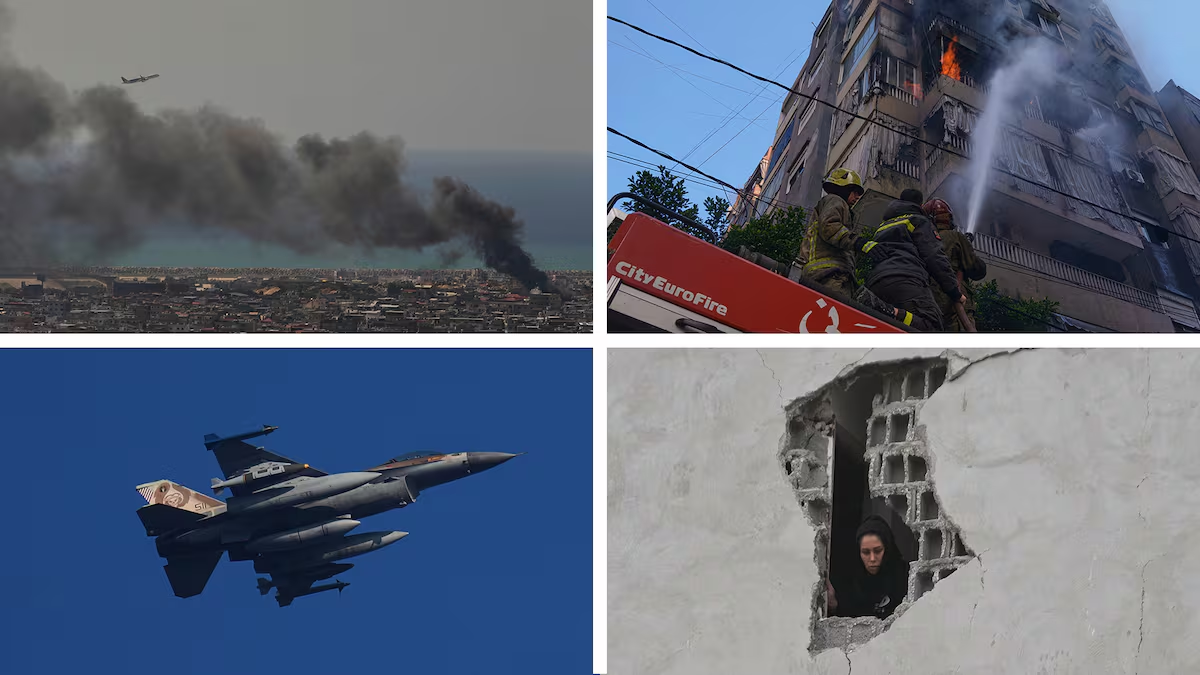
U.S. President Donald Trump has indicated that the United States is considering “winding down” its military operations in the Middle East, even as the conflict with Iran continues to intensify and spread across the region.
In a social media post, Trump said the U.S. was “very close to meeting its objectives,” suggesting a potential shift toward de-escalation. However, the statement appeared to contradict ongoing military actions, including the deployment of additional warships and approximately 2,500 more marines to the region, adding to an already large U.S. presence.
The war, now entering its third week, shows no clear signs of ending. Airstrikes have continued in Tehran while Iran has expanded retaliatory attacks, targeting not only Israel but also energy infrastructure in Gulf countries. These strikes have significantly disrupted global oil supplies, pushing energy prices higher and contributing to economic instability worldwide.
Iran has also issued warnings that it may expand attacks beyond the Middle East, including potential strikes on tourist and recreational locations globally, raising concerns about wider security risks.
The situation has further escalated around the Strait of Hormuz, a critical chokepoint for global energy supplies. Iran’s actions in the region have restricted shipping traffic, amplifying fears of a prolonged energy crisis. Oil prices have surged dramatically since the conflict began, shaking global markets and increasing costs for consumers.
Meanwhile, NATO has relocated personnel from Iraq due to rising threats, highlighting the growing danger to international forces operating in the region.
Despite claims from U.S. and Israeli leaders that Iran’s military capabilities have been significantly weakened, Iranian officials insist their missile production continues and have vowed to respond forcefully to further attacks.
With conflicting signals from Washington, ongoing military deployments, and escalating retaliatory strikes, the conflict remains highly volatile. The potential for de-escalation exists, but the situation on the ground suggests that tensions — and their global economic impact — are far from over.