

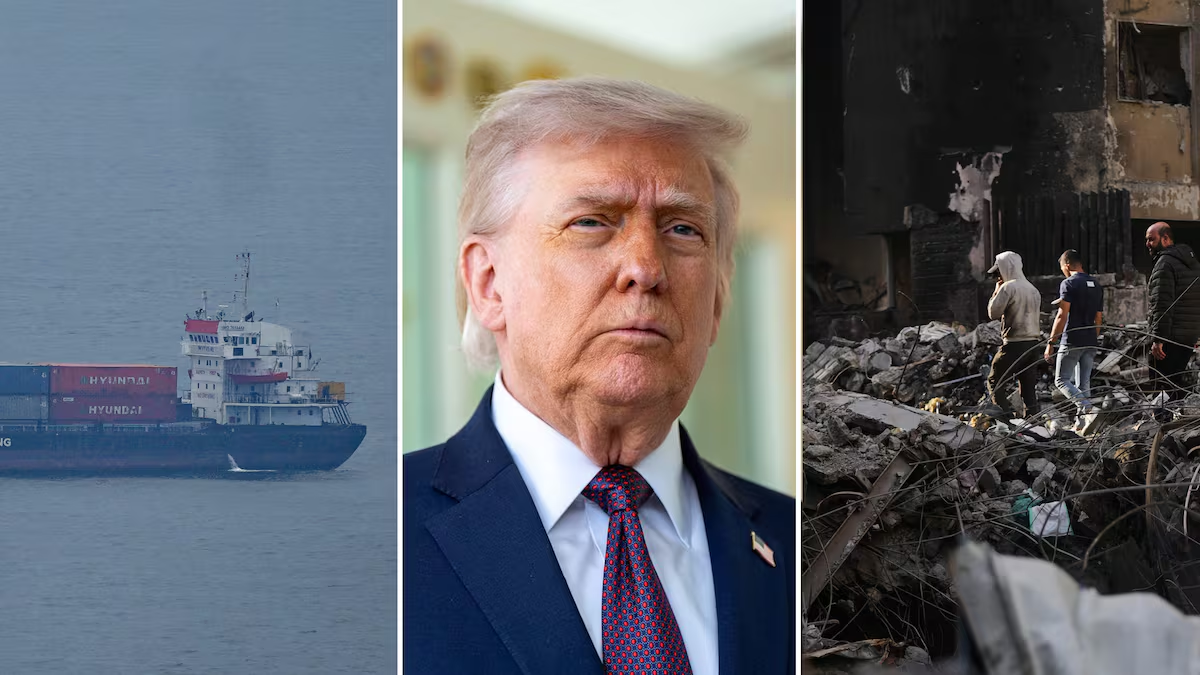
U.S. President Donald Trump says the conflict with Iran may be approaching a turning point, declaring the war is “very close to being over” as diplomatic efforts intensify and global markets react to hopes of de-escalation.
The comments come at a tense moment in the Middle East, where military pressure, naval disruptions and high-stakes diplomacy are unfolding at the same time. While Trump signalled that fresh talks with Tehran could resume within days, the region remains volatile, with clashes continuing beyond the Iran front and uncertainty surrounding energy supply routes.
At the centre of global concern is the Strait of Hormuz, one of the world’s most important oil transit corridors. Any disruption there sends immediate shockwaves through fuel prices, shipping costs and financial markets. News of possible negotiations helped push stocks higher and crude prices lower, showing how closely the world economy is tied to events in the Gulf.
Trump’s remarks suggest Washington believes pressure is producing leverage. Reports indicate the United States is seeking stronger limits on Iran’s nuclear activities in exchange for broader economic relief and regional normalization. Iran has long insisted its nuclear program is peaceful, while Western powers remain focused on preventing any pathway to nuclear weapons capability.
At the same time, diplomatic movement elsewhere in the region has added to optimism. Israel and Lebanon have reportedly moved toward direct negotiations after rare face-to-face engagement in Washington. That development could become significant if it helps contain wider escalation involving armed groups and border tensions.
Still, any suggestion the war is nearly over comes with caution. Fresh strikes, rocket fire and competing regional interests show that ceasefires can be fragile and talks can collapse quickly. The gap between hopeful rhetoric and durable peace remains wide.
For countries like Canada, the impact is immediate even from afar. Oil prices affect inflation, transportation costs and household budgets. Global instability can influence markets, immigration patterns, defence planning and investor confidence. For import-dependent economies such as India and Pakistan, energy volatility can be especially painful.
The coming days may reveal whether this is a genuine off-ramp from war or another brief pause in a deeper confrontation. For now, the world is watching a familiar reality of geopolitics: peace often sounds closest just before the hardest negotiations begin.