

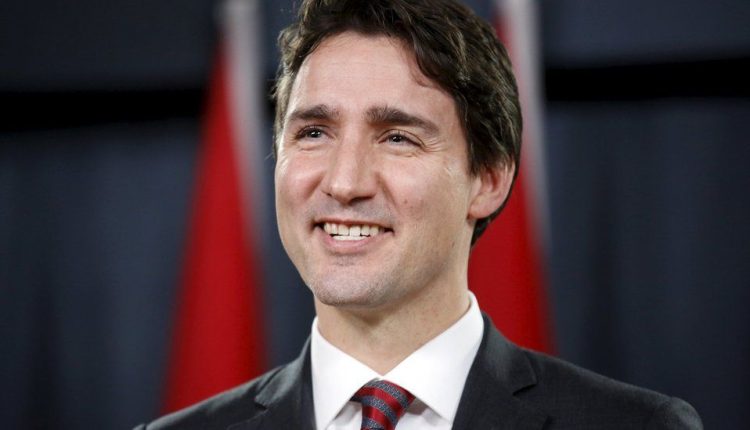
The Liberal government successfully overcame the first of several expected confidence votes this fall. The vote in the House of Commons, prompted by a Conservative-led non-confidence motion, ended with a decisive result: 211 MPs voted against the motion, while 120 supported it.
Conservative Leader Pierre Poilievre spearheaded the motion in an effort to topple Prime Minister Justin Trudeau’s government and trigger an early election. However, the result was largely expected, as both the New Democratic Party (NDP) and the Bloc Québécois had already signaled their intention to not support the Conservative bid.
This vote comes in the wake of the NDP withdrawing from its previous supply-and-confidence agreement with the Liberals—a deal that had ensured NDP backing on critical votes in exchange for policy commitments. Despite the end of that arrangement, the NDP and Bloc refrained from supporting the motion, maintaining the Liberals’ hold on power for now.
The heated debate leading up to the vote saw sharp exchanges between Poilievre and Trudeau, reflecting the heightened political tension. The Conservatives are set to bring forward another non-confidence motion this Thursday, and with three more opposition days allocated to them this fall, additional votes are expected.
The Bloc Québécois and NDP will each receive one opposition day as well before the House breaks for the Christmas recess. Bloc Leader Yves-François Blanchet, during a Wednesday press conference, issued a list of demands, emphasizing that the government must address them by the end of October to avoid the prospect of an early election.
This vote has underscored the importance of coalition dynamics in maintaining legislative stability as political maneuvering intensifies in the lead-up to further confidence tests.
4o