

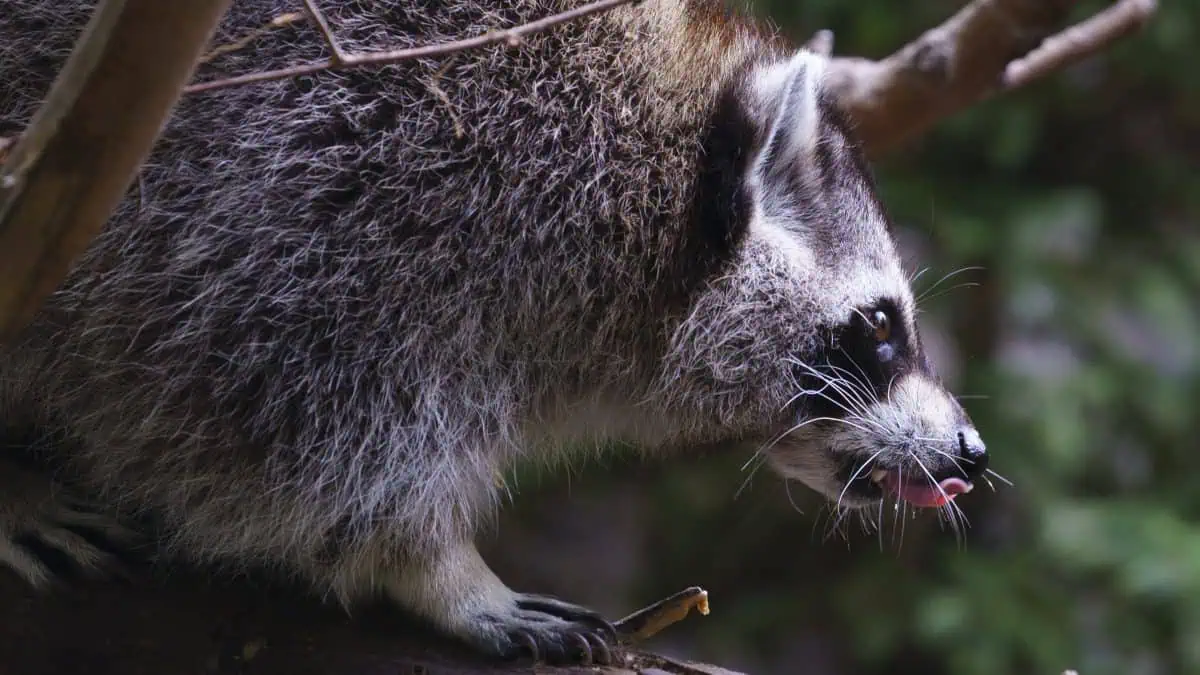
MONTREAL — Quebec is expanding a massive wildlife vaccination campaign into Montreal as authorities battle the largest raccoon rabies outbreak ever recorded in the province, with more than 800,000 vaccine baits already distributed across over 110 communities.
In the coming weeks, teams will place specially designed rabies vaccine baits throughout nine Montreal parks, including Mount Royal, where raccoons are frequently encountered and sometimes approach visitors looking for food.
The operation is intended primarily to vaccinate raccoons, but skunks and foxes may also consume the baits and receive protection against the deadly virus.
Marianne Gagnier, a biologist with Quebec’s Environment Department, said the ultimate objective extends beyond protecting wildlife. By reducing the spread of rabies among animals, authorities hope to lower the risk of transmission to people and their pets.
Montreal represents the latest stage of an extensive vaccination campaign that has already covered communities in the Estrie, Montérégie and Centre-du-Québec regions south and east of the city.
More than 800,000 vaccine baits have been distributed as part of the effort.
The small baits have a sweet smell designed to attract wildlife and resemble pieces of green ravioli contained inside packets.
Unlike some large-scale wildlife vaccination programs where baits can be dropped from aircraft, the Montreal operation will involve workers placing them by hand.
Teams will target locations where raccoons, skunks and foxes are most likely to travel or search for food, including areas near lakes and streams and along known animal pathways.
The urgency of the campaign has increased considerably as Quebec experiences an unprecedented outbreak.
The province has recorded 171 cases of raccoon rabies since the beginning of 2026, including two cases involving cats.
Another seven cases of rabies have been detected in bats, including one in Montreal in late July.
The current raccoon rabies outbreak began in 2024 and has since developed into the largest such outbreak in Quebec’s history.
Provincial officials say they cannot yet conclude that the outbreak has been contained.
There remains a significant possibility that infected wildlife could continue moving through communities on Montreal’s South Shore and potentially reach the city.
Montreal’s geography provides some natural protection because the city is located on an island and separated from surrounding communities by the St. Lawrence River and other waterways.
That barrier, however, is far from complete.
Wildlife can potentially cross through transportation corridors, including railway infrastructure and other connections between Montreal and surrounding areas. Even bicycle-path connections can provide routes that animals may follow.
The province has also imposed restrictions in several affected regions on transporting wildlife species considered particularly susceptible to rabies, although Montreal has not yet been included in those restrictions.
Public-health officials are emphasizing that residents can significantly reduce their risk by avoiding physical contact with wild animals.
Rabies is especially dangerous because once symptoms develop in a person, the disease is almost always fatal.
However, infection can be prevented if appropriate medical treatment is provided promptly after a possible exposure.
Authorities therefore advise residents never to touch or attempt to rescue wild animals, even when an animal appears injured, vulnerable or unusually friendly.
Raccoons approaching people should not be interpreted as safe simply because they appear accustomed to human presence.
Pet owners are also being encouraged to ensure that their dogs and cats have up-to-date rabies vaccinations.
Anyone who is bitten, scratched or otherwise believes they may have been exposed to a potentially infected animal should seek medical advice immediately rather than waiting for symptoms to appear.
Residents may also encounter the vaccine packets while walking through Montreal parks.
People are being asked to leave the baits where they find them because they have been deliberately positioned in locations where wildlife is likely to discover them.
If a bait must be moved, officials recommend avoiding direct contact. Gloves or a shovel should be used, and anyone who accidentally handles a bait should thoroughly wash their hands afterward.
Even a successful vaccination campaign will not bring an immediate end to Quebec’s rabies problem.
Raccoons reproduce rapidly, meaning a new generation of young animals will emerge next year without immunity and may also need to be vaccinated.
That could require repeated bait-distribution campaigns for several years before authorities are confident the outbreak has been brought under control.
For Montreal residents, the message from wildlife officials is straightforward: enjoy the city’s raccoons, skunks and other wildlife from a safe distance, keep pets vaccinated and resist the temptation to touch or feed wild animals.
Behind the unusual sight of thousands of green, ravioli-like packets appearing in Montreal parks is a serious public-health strategy — vaccinating wildlife before rabies has an opportunity to spread further into Canada’s second-largest city.