

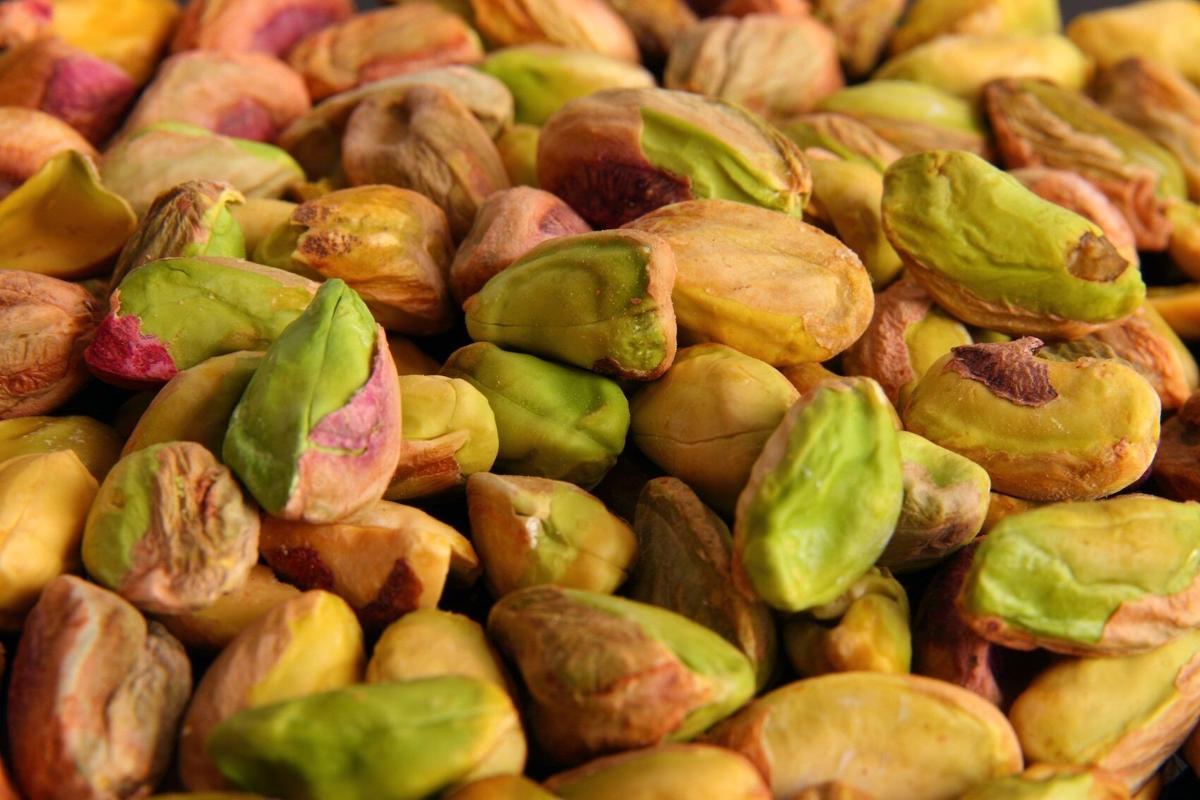
A fast-growing salmonella outbreak linked to pistachios is raising alarm across Canada, with Ontario seeing another sharp increase in infections as health officials warn many more cases may be going undetected.
The latest figures show 74 confirmed illnesses in Ontario, up by eight new cases, while the national total has now reached 189 people sickened across six provinces. Public health authorities say these are only laboratory-confirmed cases, meaning the real number could be significantly higher.
Officials note that many people who experience mild symptoms never seek medical care or testing, allowing outbreaks like this to quietly spread far beyond official numbers. Researchers estimate that for every reported salmonella infection, many more may go unrecorded.
The outbreak has affected Canadians ranging in age from one to 95 years old, with 26 people requiring hospitalization so far. Cases have been reported in British Columbia, Alberta, Manitoba, Ontario, Quebec and New Brunswick. Quebec currently has the highest number of confirmed illnesses, followed closely by Ontario.
Investigators say many of those who became sick reported eating pistachios or products containing pistachios, including chocolate desserts and specialty snacks. Several recalled products have now been tied to the outbreak, including pistachio kernels, bulk pistachios and pistachio-filled chocolate bars sold in stores and online.
The Canadian Food Inspection Agency has already taken major action, including temporary restrictions on pistachio imports from Iran and mandatory testing requirements for certain imported products. The move reflects growing concern over supply chain safety and product traceability.
Food safety experts say the challenge becomes even greater when pistachios are used as ingredients inside processed foods such as chocolates, pastries or desserts, where tracing the original source is more difficult. That means contaminated products can remain on shelves or in homes long after the first warnings are issued.
Consumers are being urged to review recall notices carefully, check their kitchens and dispose of any affected products immediately. Because nuts often have long shelf lives, items purchased months ago may still pose a risk today.
Common symptoms of salmonella include fever, chills, nausea, diarrhea, vomiting, stomach cramps and headaches. While many recover without treatment, the illness can become serious for seniors, children, pregnant individuals and those with weakened immune systems.
This growing outbreak is a powerful reminder that food safety doesn’t end at the checkout counter. In an age of global imports and trendy specialty products, vigilance at home can be just as important as regulation at the border.