

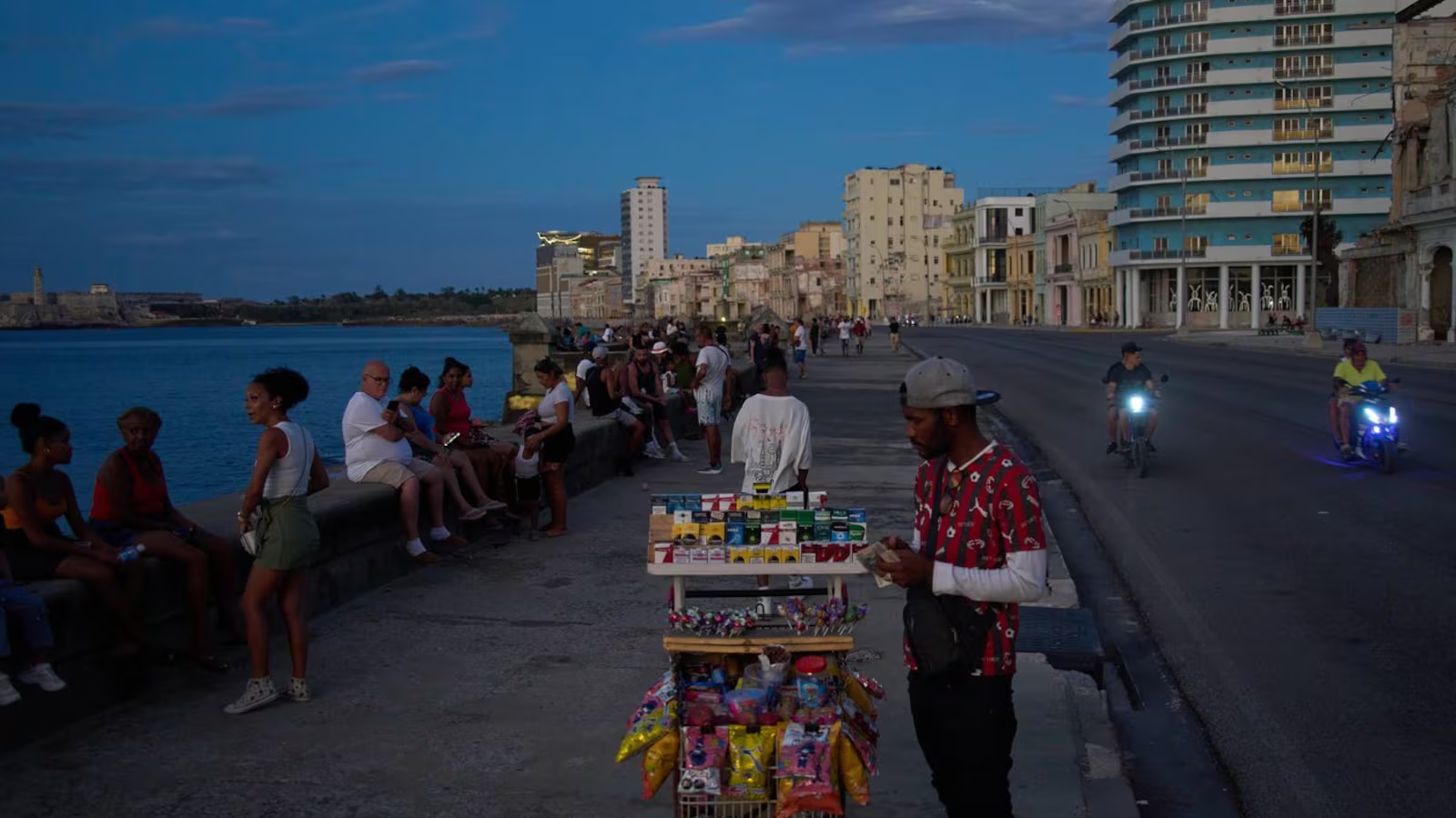
HAVANA — Two Canadians on a humanitarian mission in Cuba say daily life on the island has become a struggle for survival, as prolonged power outages leave millions without reliable electricity, food storage or basic services.
Leanne Isaak and Elise Hjalmarson, co-directors of the non-profit One Shared Future Un Futuro Compartido, say Cubans now measure time not by when the power goes out — but when it briefly comes back on. During those short windows, families rush to cook meals, charge phones, shower and store water before darkness returns, sometimes for days.
“In Spanish, they say they don’t have blackouts — they have ‘lights-on,’” Isaak explained, noting that electricity is available far less often than it is unavailable.
The pair arrived from Kelowna, B.C., carrying 14 suitcases filled with essential supplies including medicines, solar equipment, hygiene products and food aid. They plan to distribute the items across the island in coordination with local groups, targeting hospitals, women’s centres and vulnerable communities.
The worsening crisis is tied in part to energy shortages after geopolitical shifts disrupted oil supplies that Cuba had relied on. The country has since struggled to generate enough electricity through its own limited resources, leading to widespread blackouts that have affected hospitals, transportation systems and universities.
The Canadians said the impact is visible everywhere — from airport outages upon arrival to apartment buildings without functioning elevators, forcing them to carry supplies up multiple flights of stairs. Across the island, food spoilage is common, surgeries have been postponed and daily routines have been upended.
Despite the hardship, Isaak said the spirit of the Cuban people remains strong. Even during outages, communities gather outdoors — playing dominoes, listening to music and dancing late into the night.
“People are tired, they’re frustrated, they’re stressed — but they’re surviving,” she said. “And they still find ways to be together.”
Aid shipments are beginning to arrive and some fuel deliveries are expected, but the situation remains uncertain, with residents bracing for continued instability in the weeks ahead.