

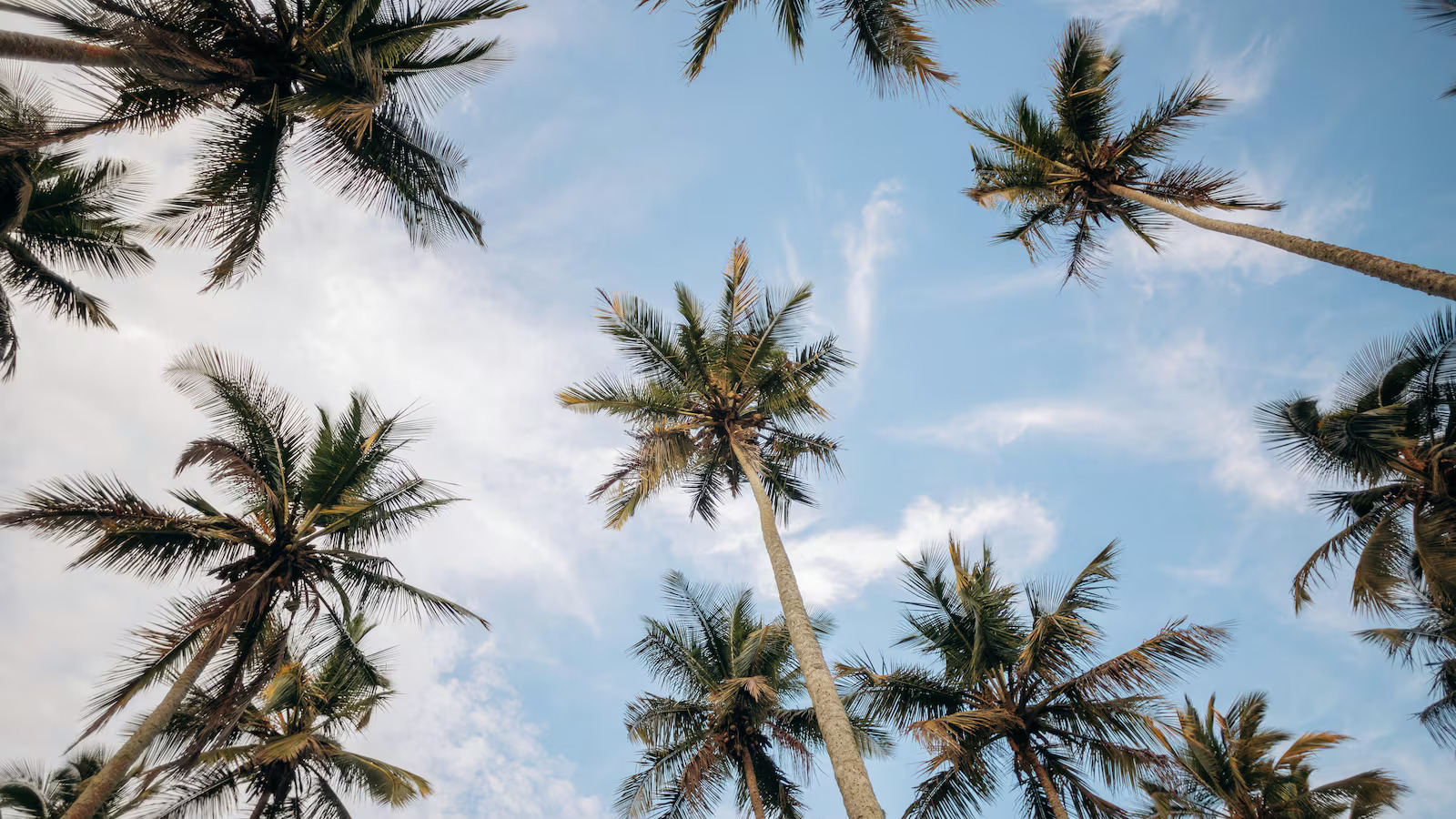
Imagine palm trees swaying in what’s now Canada’s frigid subarctic. A groundbreaking study has uncovered that this icy region was once a tropical haven, teeming with exotic vegetation some 48 million years ago. Published in the Annals of Botany, the research, spearheaded by Connecticut College professor Peter Siver alongside colleagues from Canada and Poland, paints a vivid picture of an ancient arctic unrecognizable today.
The team unearthed their evidence in the Northwest Territories at a fossil site known as the Giraffe kimberlite pipe locality. By examining microscopic silica structures called phytoliths—preserved in ancient lakebed sediments—they confirmed the presence of palm trees and warm-water species. These findings reveal a prehistoric arctic that was ice-free and basked in a subtropical climate, even enduring months of winter darkness with consistently warm temperatures.
“This discovery opens a portal to Earth’s greenhouse past,” Siver explained. “It’s a key piece of the puzzle for refining climate models and predicting what lies ahead.” The study also highlights the earliest known appearance of stegmata—distinctive phytolith patterns in palm leaves—tracing this evolutionary milestone to the early Eocene, a warm period spanning 34 to 56 million years ago.
Beyond palms, the fossils of heat-loving aquatic organisms suggest a thriving, temperate ecosystem once dominated the region. This challenges long-held beliefs about the timing and location of ice formation in the Northern Hemisphere, the researchers noted.
By peering into this ancient world, the study offers fresh insights into how ecosystems adapt to dramatic, long-term climate changes—lessons that resonate as scientists grapple with today’s warming planet.