

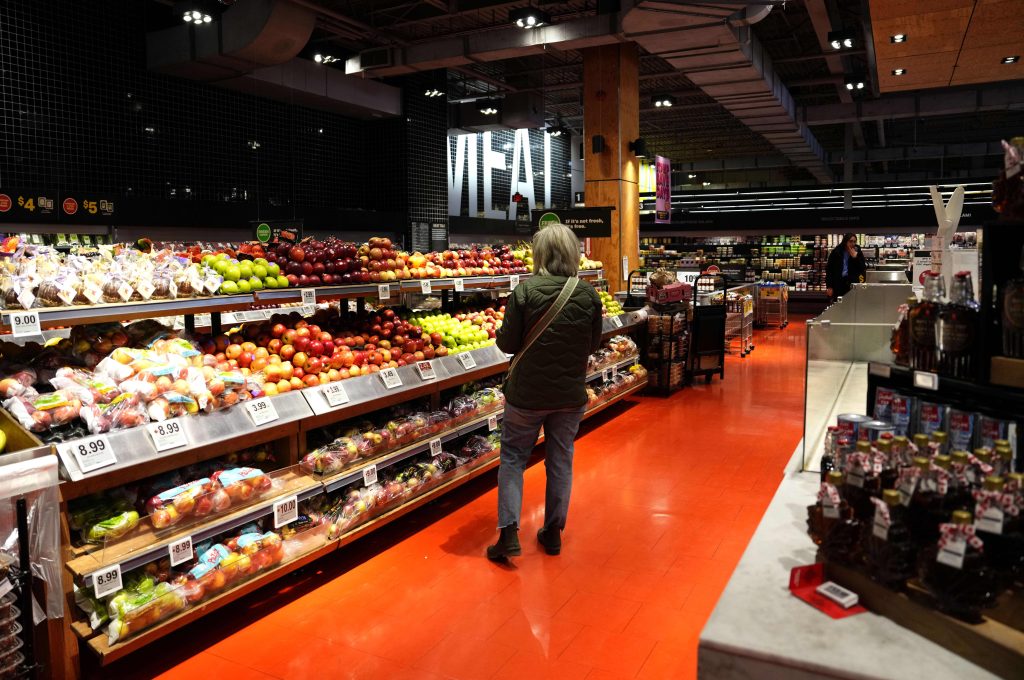
The federal Liberal government has launched an ambitious National Food Strategy designed to make food more affordable, increase consumer choice, strengthen Canada’s food supply chain, and provide new opportunities for farmers, processors, and independent grocery retailers across the country.
Announced on Thursday, the strategy represents one of the most significant federal investments in Canada’s food sector in recent years and aims to address growing concerns about food affordability, supply chain disruptions, and competition within the grocery industry.
The initiative seeks to transform how food is produced, transported, processed, distributed, and sold throughout Canada. Government officials say the plan is intended to support local agriculture while ensuring Canadians have greater access to fresh, nutritious, and affordable food.
A cornerstone of the strategy is a $1 billion investment in food infrastructure projects, including regional food terminals, distribution centres, and food hubs. These facilities are expected to help independent grocery stores and smaller retailers gain better access to products from Canadian farmers and food processors.
Officials say the investment will create a more competitive marketplace by reducing the dominance of large grocery chains and making it easier for smaller retailers to purchase food directly from producers. This could ultimately provide consumers with more choices and potentially lower prices at the checkout counter.
The strategy also includes measures to strengthen Canada’s food processing sector. The federal government plans to introduce programs that will help small and medium-sized food processors modernize equipment, improve productivity, adopt new technologies, and compete more effectively in both domestic and international markets.
By increasing efficiency and attracting private investment, Ottawa hopes to expand Canada’s food manufacturing capacity and create additional economic opportunities throughout the agricultural sector.
Another major component of the plan is a $750 million investment in greenhouse and hydroponic food production. The funding is intended to increase year-round domestic production of fruits and vegetables, reducing Canada’s dependence on imported produce and improving food security.
The greenhouse initiative is expected to benefit rural, northern, and remote communities in particular, where access to fresh produce can be limited and transportation costs often contribute to higher food prices.
Federal officials believe expanding controlled-environment agriculture will help Canadians access locally grown produce throughout the year while reducing the vulnerability of food supplies to climate events, international disruptions, and seasonal shortages.
The government also plans to streamline regulatory processes affecting the agricultural sector. Under the strategy, efforts will be made to accelerate approvals for seeds, fertilizers, animal feed products, and veterinary medicines. Ottawa says reducing regulatory backlogs will help farmers access new technologies and products more quickly, improving productivity and competitiveness.
The food strategy comes at a time when many Canadian households continue to face financial pressure from elevated grocery costs and inflation-related concerns. Food affordability remains one of the most frequently cited economic issues among Canadians, prompting governments at all levels to seek solutions that improve competition and strengthen domestic food production.
Supporters of the initiative argue that investing in local food systems and supply chains can help reduce transportation costs, improve resilience against global disruptions, and support Canadian jobs. The strategy also aligns with broader goals of enhancing food security and reducing Canada’s reliance on imported products.
Agriculture industry stakeholders will be watching closely to see how quickly funding programs are implemented and whether the proposed measures deliver meaningful reductions in food costs for consumers.
If successfully implemented, the National Food Strategy could reshape Canada’s food economy by creating stronger connections between farmers, processors, retailers, and consumers while supporting long-term growth in one of the country’s most important industries.
For Canadian families facing rising grocery bills, the government’s message is clear: more Canadian-grown food, stronger local supply chains, increased competition, and ultimately more affordable choices at the grocery store.