

The Ontario government is moving forward with plans to create a provincewide electronic medical record system aimed at connecting primary care across hospitals, clinics and community services, marking a renewed push more than two decades after earlier efforts were derailed by the controversial eHealth project.
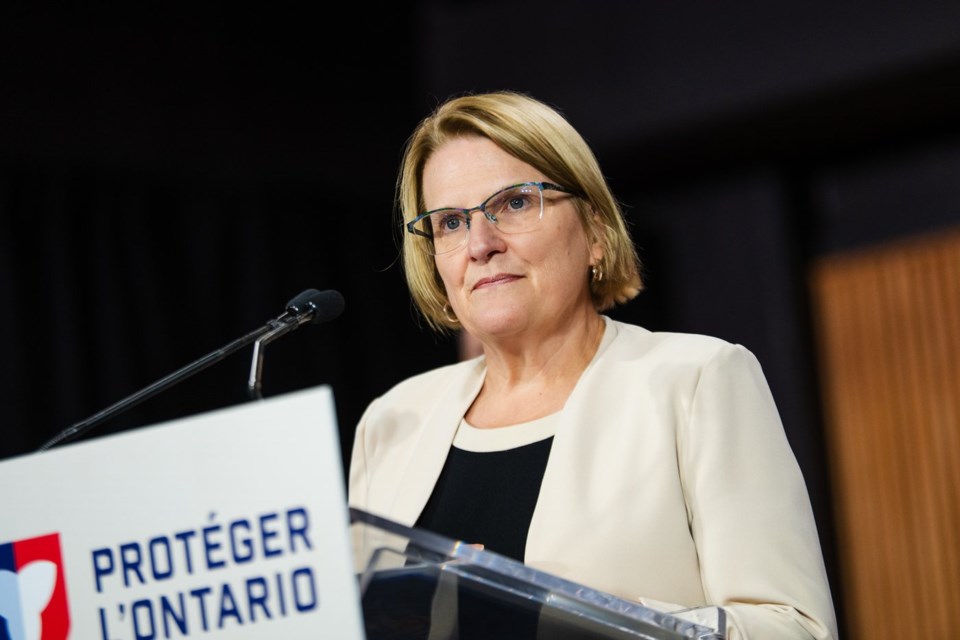
Health Minister Sylvia Jones said the province is beginning by consulting vendors to explore how different systems — including hospitals, labs and physicians’ offices — can be integrated into one unified platform. The goal is to ensure that a patient’s complete medical history, including medications, allergies, vaccinations and test results, can be accessed seamlessly by healthcare providers across the system.
Dr. Jane Philpott emphasized that better access to shared medical records would improve patient safety and efficiency. She noted that when critical health information is not readily available, it can lead to delays in treatment, duplicate testing and increased risks in emergency situations.
While most primary care providers already use electronic records, the systems currently operate in isolation. The proposed system aims to connect these platforms so that all aspects of a patient’s care — including home care and interactions with Ontario Health services — are consolidated into a single, accessible record.
The initiative comes after previous attempts to modernize Ontario’s health records system faced major setbacks. The eHealth project, launched in the early 2000s, became a political scandal after the province spent billions of dollars with limited results, raising concerns about oversight and accountability.
Opposition critics have expressed cautious support for the concept but raised concerns about implementation, privacy and cost. Liberal health critic Adil Shamji warned that the lack of a clear timeline and lessons from past failures could pose risks, particularly around data security. NDP critic Robin Lennox added that while the idea is promising, success will depend on smooth implementation and reducing administrative burdens for doctors.
The government has not yet provided a cost estimate but indicated that participation in the system will be voluntary for both patients and healthcare providers. Officials also said support may be offered to physicians to help cover transition costs.
In addition, Finance Minister Peter Bethlenfalvy announced that the upcoming provincial budget will include an additional $325 million investment in primary care, as the government works toward its goal of ensuring every resident has access to a primary care provider by 2029.
The proposed system represents a significant step toward modernizing Ontario’s healthcare infrastructure, though its success will depend on execution, privacy safeguards and the ability to learn from past challenges.