

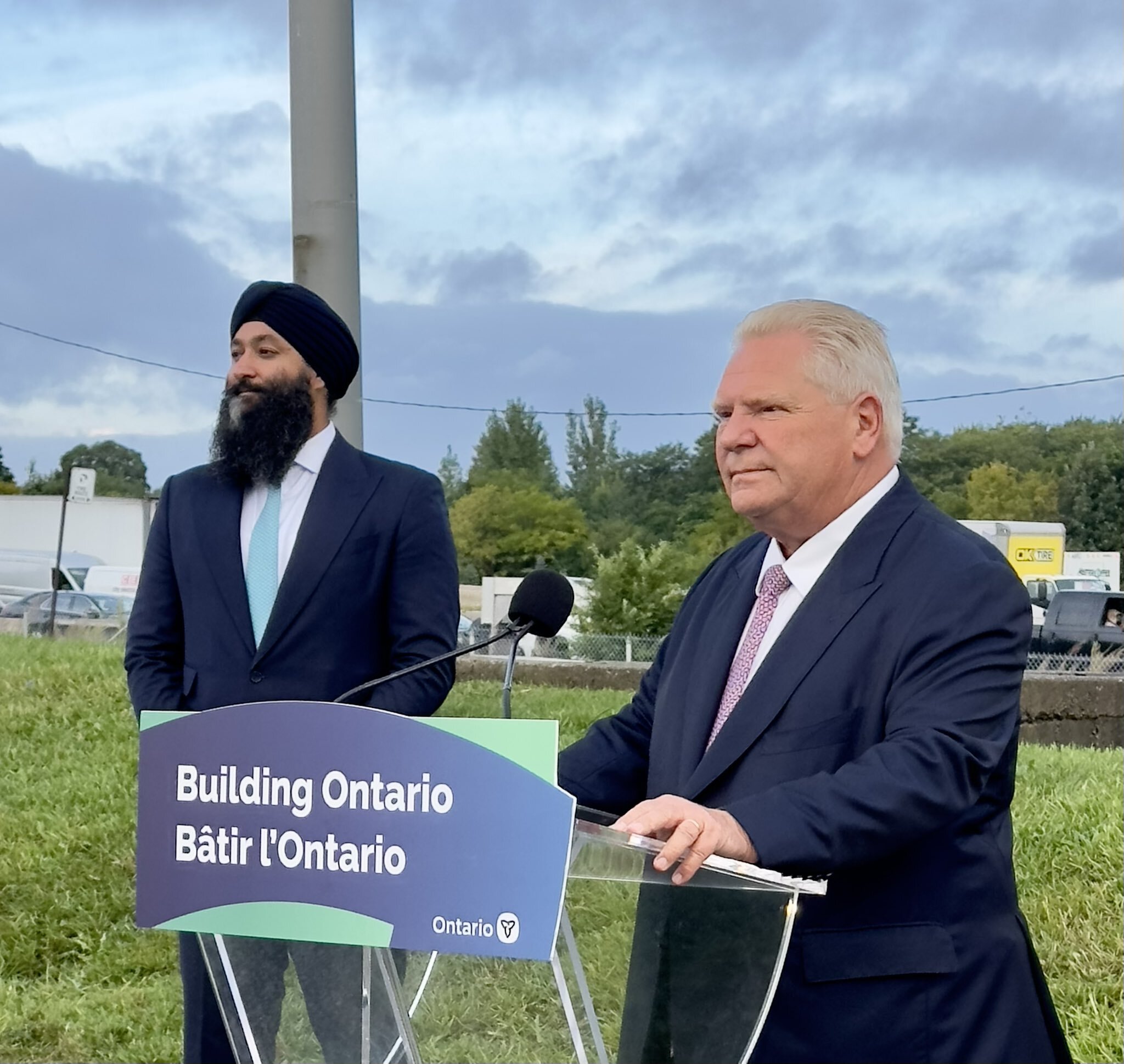
The Ontario government has initiated a technical study to explore the feasibility of constructing a new driver and transit tunnel expressway beneath Highway 401. This expressway aims to provide a faster alternative for some of the province’s most congested roadways, stretching from Brampton and Mississauga in the west to Markham and Scarborough in the east. The project is expected to significantly reduce traffic congestion in the Greater Toronto and Hamilton Area (GTHA) while supporting economic growth both during construction and long-term by improving the speed at which goods and services reach markets.
“Ontario’s gridlock issue is leaving the average Toronto-area commuter stuck in traffic for 98 hours annually, time that could be better spent with family and loved ones. This gridlock costs our economy $11 billion each year in the GTHA alone,” said Premier Doug Ford. “Today’s announcement marks another step in our nearly $100 billion plan to reduce gridlock by expanding highways and transit, including Highway 401, the Bradford Bypass, and Highway 413, helping Ontarians get moving once again.”
Engineering services for the project will be managed by the Ministry of Transportation, with assistance from Infrastructure Ontario. The feasibility study will focus on several key areas:
In line with the Get It Done Act, 2024, the new expressway will not be tolled.
“Ontario drivers deserve more time with their families, not stuck in traffic. Our government is committed to building Ontario’s infrastructure to improve convenience for drivers and foster economic growth for all.” Prabmeet Sarkaria, Minister of Transportation
As Ontario’s population continues to grow, the need to expand roads and highways becomes more urgent to keep traffic flowing and improve economic efficiency. Ministry of Transportation projections show that by 2051, travel times on the main section of Highway 401 could double, adding 90 minutes to the trip through the GTHA. Additionally, the ministry’s data indicates that all of Ontario’s 400-series highways, including Highway 407, will reach or exceed capacity within the next decade. Without adding capacity beyond current highway and rapid transit projects, congestion-related delays could triple by 2051, compounding the region’s existing $11 billion annual productivity loss due to traffic.